
Plant · GBIF taxon 3014089
Green Hawthorn
Crataegus viridisAlso known as Southern Thorn, Greenhaw
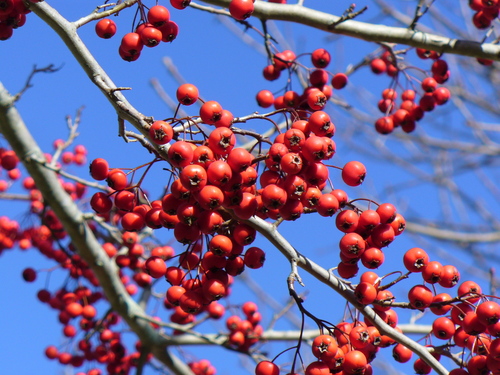
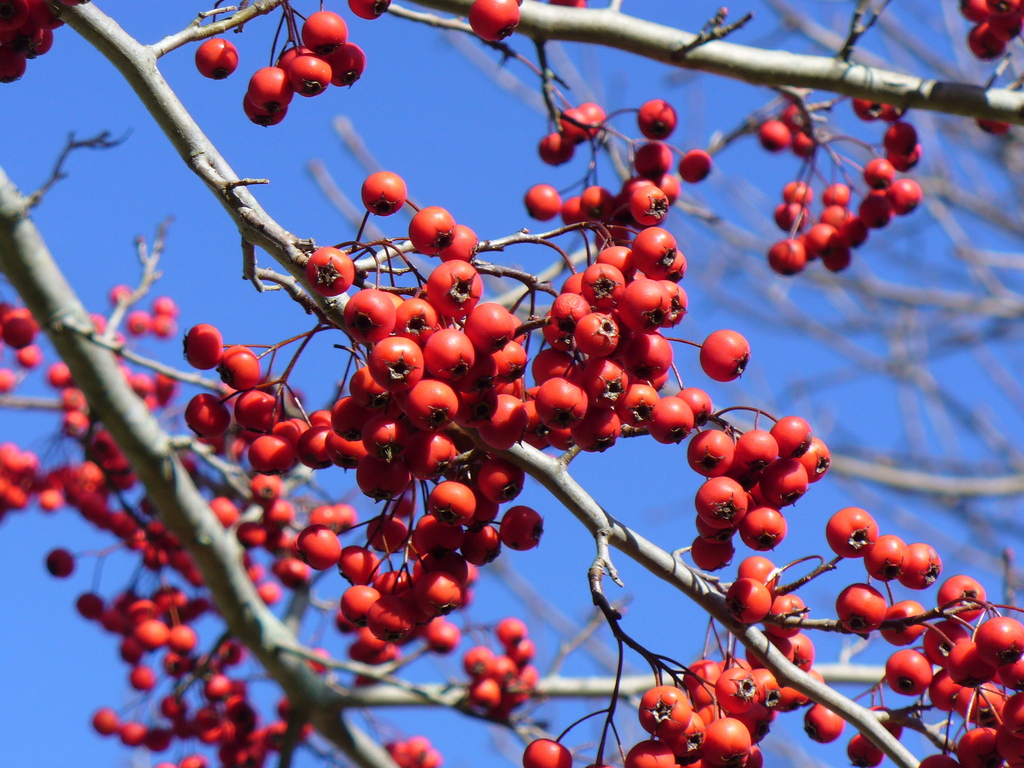
Green hawthorn thrives along riverbanks, bottomlands, and floodplain edges throughout the southeastern United States, often anchoring moist soils in seasonally flooded lowlands. Clusters of small white five-petaled blossoms emerge abundantly in late spring, releasing a musky fragrance that draws bees, beetles, and flower flies. Smooth young bark matures into flaking, pale gray plates that reveal patches of warm orange underbark, while thorny branches provide secure nesting sanctuaries for native songbirds.
DeciduousFloweringRiparian
—observations
—countries
—peak records
Least ConcernConservation statusIUCN Red List categoriesLCNTVUENCREWEXLeast ConcernRed List categories, explained →
Diet & prey
- Autotrophic (photosynthetic)
Predators
- White-tailed Deer
- Cedar Waxwing
- American Robin
ThreatsRiparian clearing, drainage of bottomland wetlands, and severe fungal rust outbreaks
HabitatsRiver bottomlands, floodplain forests, stream margins, and damp pastures
Life span50–100 years
Classification
- OrderRosales
- FamilyRosaceae
- GenusCrataegus
- SpeciesCrataegus viridis
Range data is not available yet.
Interaction riskLow
- Low
- Moderate
- High
- Very high
- Why interaction risk is low
- Wild berries have toxic look-alikes; never eat based on app identification alone.
Responsible observation
- Bark identification: Look for mature trunks that flake away to reveal contrasting patches of pale cinnamon or orange inner bark.
- Thorn awareness: Exercise care when examining branches or twigs, which occasionally carry slender, sharp thorns up to 2.5 centimeters long.
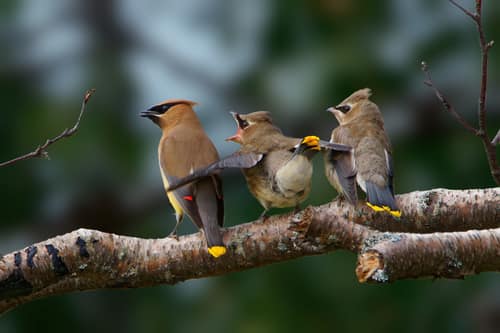
Seed Disperser (c) Christian Back, some rights reserved (CC BY), uploaded by Christian Back · cc-by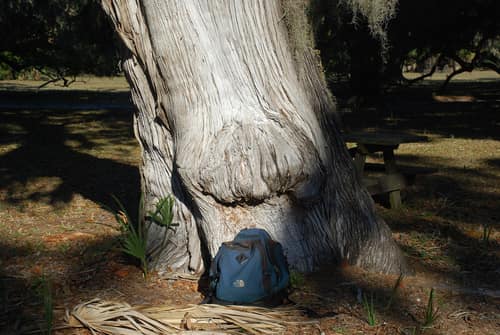
Alternate Host (c) Douglas Goldman, some rights reserved (CC BY-SA), uploaded by Douglas Goldman · cc-by-sa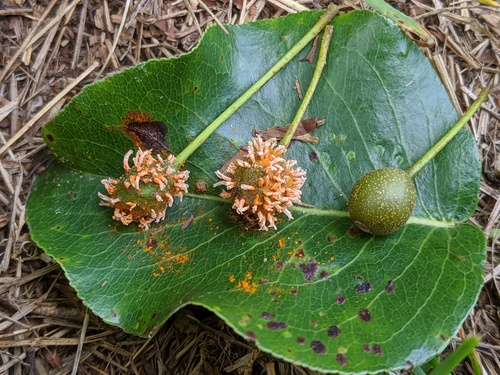
Pathogen (c) Luke Smithson, some rights reserved (CC BY-SA), uploaded by Luke Smithson · cc-by-sa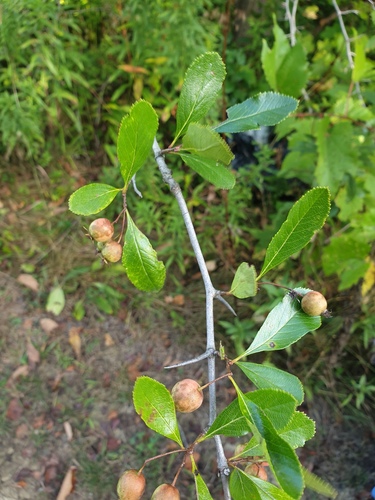
Close Relative no rights reserved, uploaded by Étienne Lacroix-Carignan · cc0 Image unavailable
Close Relative
Help improve the field guideSomething wrong?
Checking your Fauna account…Report a name, category, or profile issue for review.