Also known as Purple-Leaved Crabapple, Lemoine Crabapple
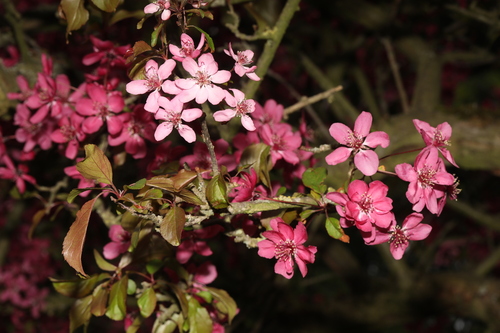
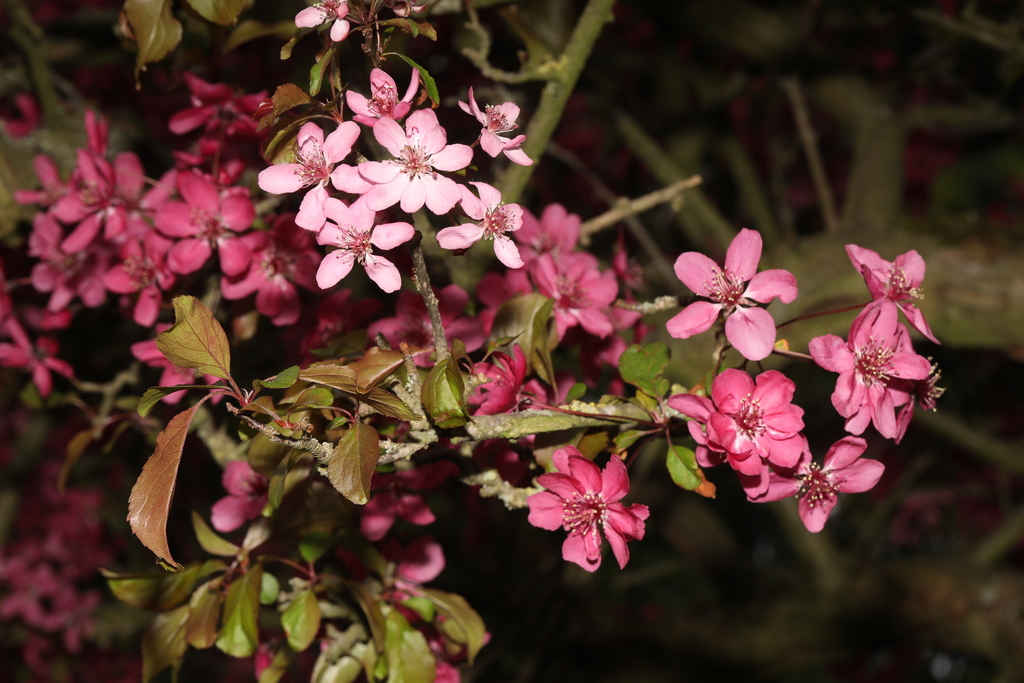
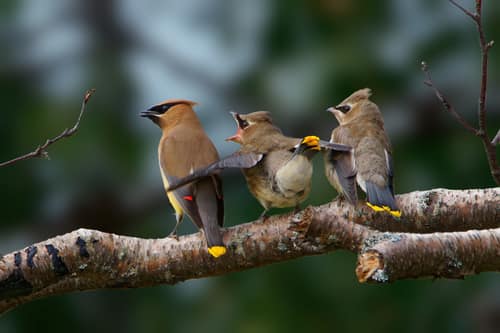
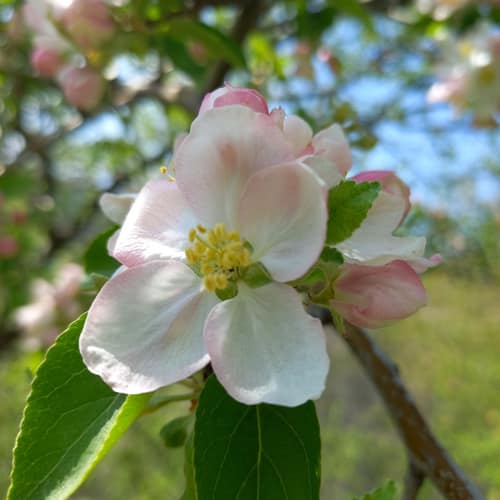
Purple crabapple bursts into dense clouds of deep rose to magenta blossoms every spring, filling parklands and urban avenues with fragrance. As summer progresses, its foliage shifts from coppery purple to bronzed dark green while nurturing clusters of small, ruby-colored pomes. These persistent fruits cling to branches well into winter, providing an invaluable cold-weather food reserve for foraging thrushes and waxwings.
Not EvaluatedConservation statusIUCN Red List categoriesLCNTVUENCREWEXNot Evaluated — not placed on the risk ladderRed List categories, explained →
Key facts
Diet & prey
Autotrophic (Photosynthetic)
Predators
White-Tailed Deer
Eastern Cottontail
Japanese Beetle
ThreatsApple scab, fire blight, cedar-apple rust, and powdery mildew
HabitatsGardens, urban landscapes, parks, and arboretums
Life span40–60 years
Size / weightNot available
Classification
OrderRosales
FamilyRosaceae
GenusMalus
SpeciesMalus purpurea
Range & activity
Range data is not available yet.
Safe observation
Interaction riskHigh
Low
Moderate
High
Very high
Why interaction risk is high
Seeds contain cyanogenic compounds toxic to pets; wild fruit has look-alikes, never eat based on app identification alone.
Why it is dangerous
Seeds contain amygdalin, a cyanogenic glycoside that breaks down into hydrogen cyanide when chewed, causing vomiting, dilated pupils, and respiratory distress in dogs and cats.
How to recognize a risky encounter
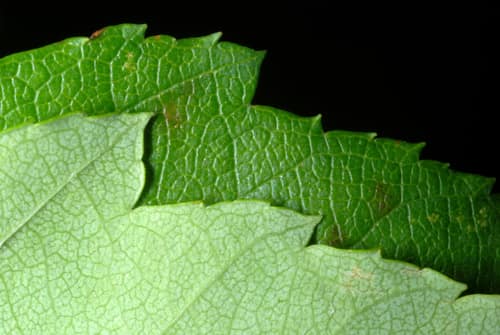
Look for small dark purple-red pomes measuring 1 to 2 centimeters across hanging on purplish stalks with bronze-tinted serrate leaves.
What to do
Prevent household pets from chewing dropped fruits or twigs, and leave the decorative pomes for wild birds.
Responsible observation
Spring Photography: Capture flowers right as buds unfold for the deepest reddish-purple hues.
Winter Birdwatching: Watch for flocks of thrushes and waxwings visiting the persistent branch pomes.
Cultivar Care: Prune during winter dormancy to maintain air circulation and resist fungal blights.