
Plant
Pacific Crab Apple
Malus fuscaAlso known as Oregon Crabapple, Western Crabapple
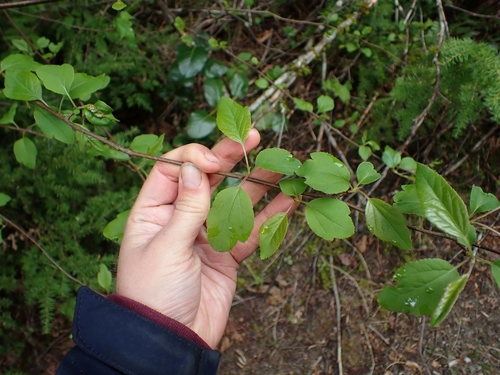
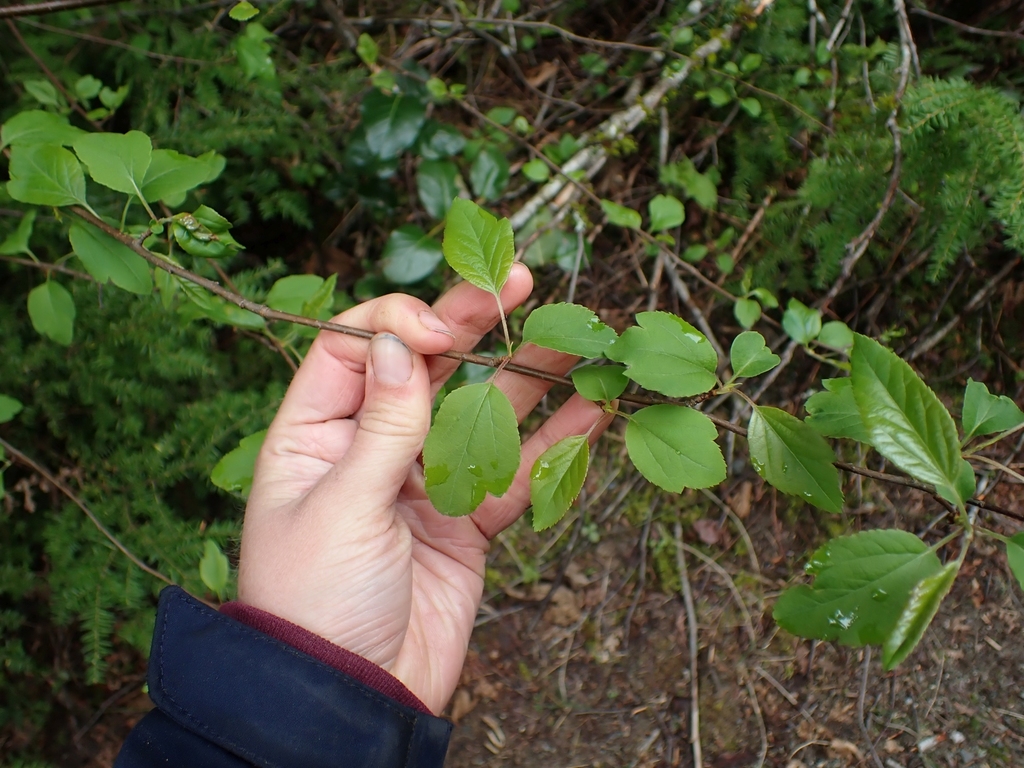
Pacific crab apple thrives in the cool, rain-drenched coastal forests and wetlands of the Pacific Northwest, often forming dense, tangled thickets along estuarine fringes and riparian banks. In spring, branches produce clusters of fragrant white to pinkish blossoms that attract native bumblebees and solitary bees. The small, oblong fruits persist well into winter, serving as a critical cold-weather food reserve for migratory songbirds, waterfowl, and small mammals.
FloweringRiparianDeciduous
—observations
—countries
—peak records
Least ConcernConservation statusIUCN Red List categoriesLCNTVUENCREWEXLeast ConcernRed List categories, explained →
Diet & preyAutotrophic (photosynthetic)
Predators
- Tent Caterpillar
- Black-tailed Deer
- Apple Maggot Fly
ThreatsWetland drainage, coastal development, and invasive plant competition
HabitatsCoastal wetlands, moist forests, riverbanks, and estuarine swamps
Life span50–100 years
Classification
- OrderRosales
- FamilyRosaceae
- GenusMalus
- SpeciesMalus fusca
Range data is not available yet.
Interaction riskHigh
- Low
- Moderate
- High
- Very high
- Why interaction risk is high
- Wild fruits have toxic look-alikes, and seeds contain cyanogenic compounds toxic to pets; do not ingest.
- Why it is dangerous
- Seeds, stems, and wilted leaves contain cyanogenic glycosides that metabolize into hydrogen cyanide, causing respiratory distress in domestic pets.
- How to recognize a risky encounter
- Look for small deciduous trees in coastal wetlands with toothed, often irregularly lobed leaves and tiny oblong pomes under two centimeters long.
- What to do
- Do not let dogs chew on fallen branches or gorge on fallen fruit; admire the tree without harvesting parts for consumption.
Responsible observation
- Leaf Inspection: Look for distinctive irregularly lobed leaves on vigorous young shoots.
- Spring Bloom: Visit coastal wetlands in May to observe profuse, fragrant floral displays.
- Winter Watching: Check fruiting thickets during late autumn for foraging thrushes and waxwings.
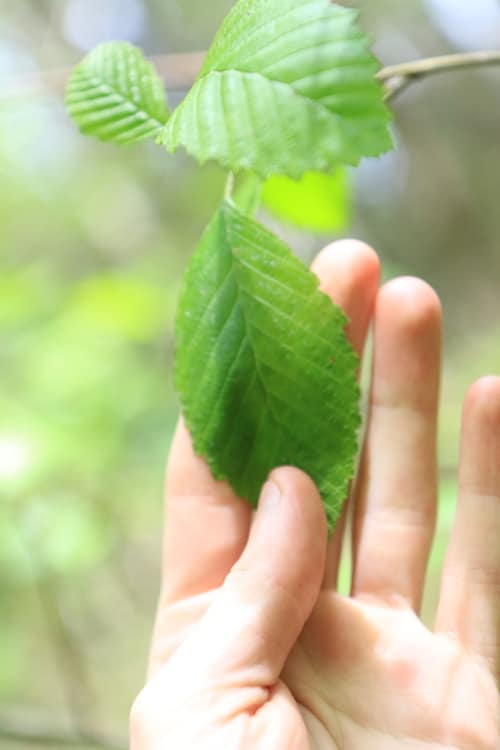
Frequent Companion no rights reserved · cc0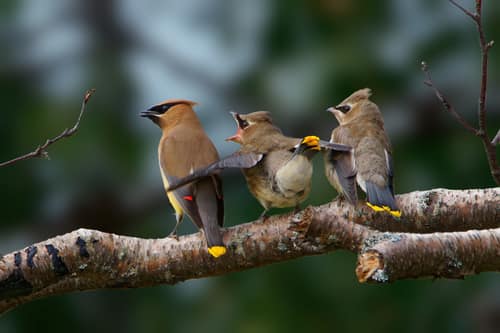
Disperser (c) Christian Back, some rights reserved (CC BY), uploaded by Christian Back · cc-by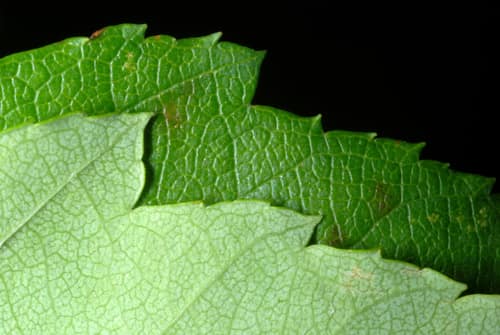
Close Relative (c) Douglas Goldman, some rights reserved (CC BY-SA), uploaded by Douglas Goldman · cc-by-sa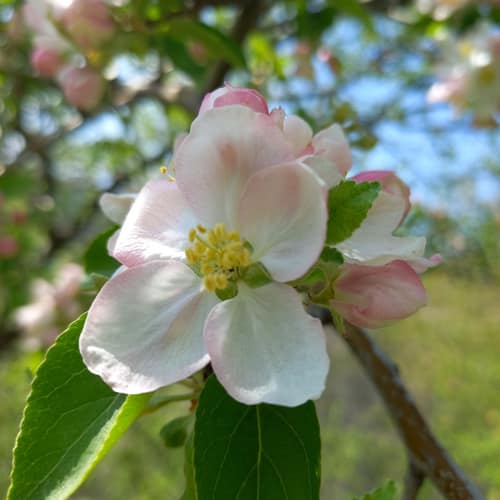
Close Relative (c) Alexander Dubynin, some rights reserved (CC BY) · cc-by
Help improve the field guideSomething wrong?
Checking your Fauna account…Report a name, category, or profile issue for review.