
Plant
Wineberry
Rubus phoenicolasiusAlso known as Japanese Wineberry, Wine Raspberry, Wineberry Bramble
Wineberry forms dense thickets along forest edges and roadsides, recognized by its arching canes covered in conspicuous reddish-purple bristles. Each flower is enclosed in a glandular calyx that secretes sticky droplets to deter climbing insects before revealing an orange-red aggregate fruit. Native to East Asia, it spreads aggressively through seeds scattered by birds and vegetative layering where cane tips touch moist soil.
InvasiveFruit-bearingRed-bristled
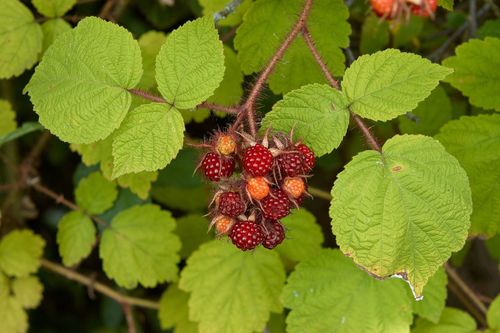
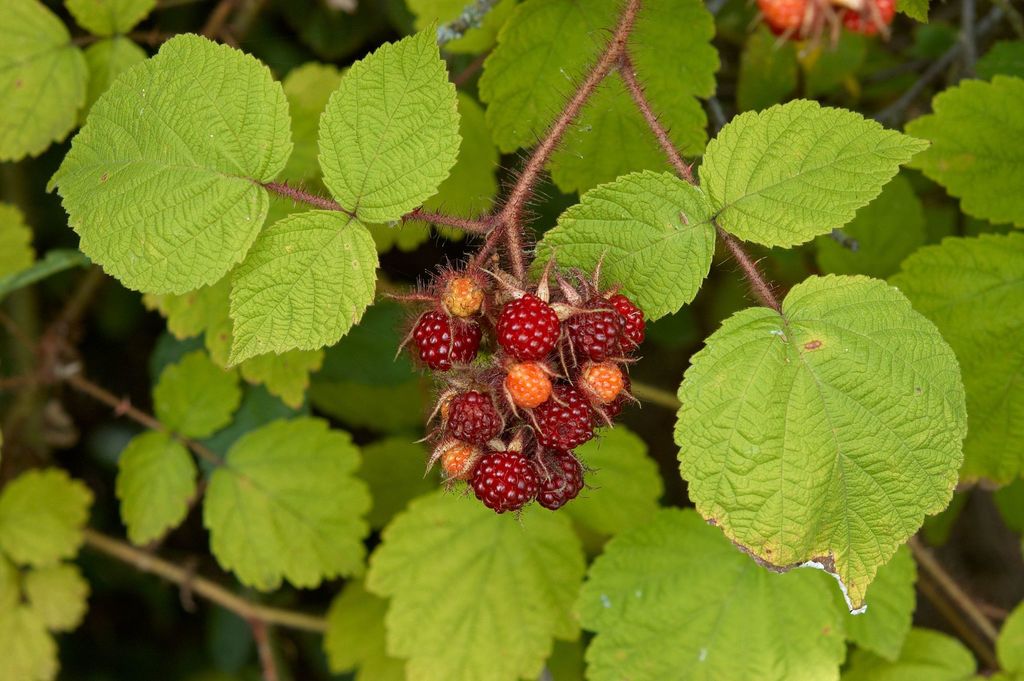
—observations
—countries
—peak records
Not EvaluatedConservation statusIUCN Red List categoriesLCNTVUENCREWEXNot Evaluated — not placed on the risk ladderRed List categories, explained →
Diet & preySunlight, Water, Soil nutrients
Predators
- Browsing deer
- Birds
- Small mammals
ThreatsEradication efforts in introduced ranges
HabitatsTemperate forests, wood margins, disturbed roadsides, stream banks
Life spanPerennial root system (canes biennial)
Classification
- OrderRosales
- FamilyRosaceae
- GenusRubus
- SpeciesRubus phoenicolasius
Range data is not available yet.
Interaction riskLow
- Low
- Moderate
- High
- Very high
- Why interaction risk is low
- Wild berries have toxic look-alikes; never eat wild fruit based on app identification alone.
Responsible observation
- Spotting: Look for dense, sticky red-purple bristles covering the stems and calyxes.
- Management: Cut canes to the ground and dig out root crowns to limit aggressive local spread.
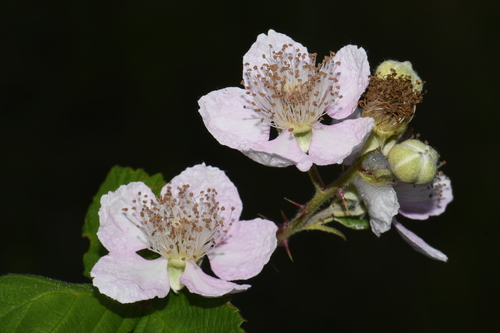
Invasive Competitor (c) Brian Finzel, some rights reserved (CC BY-SA), uploaded by Brian Finzel · cc-by-sa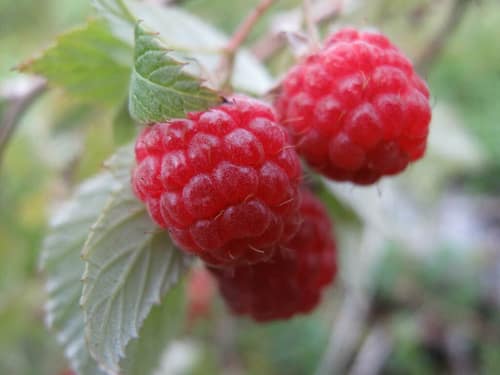
Close Relative (c) Ole Husby, some rights reserved (CC BY-SA) · cc-by-sa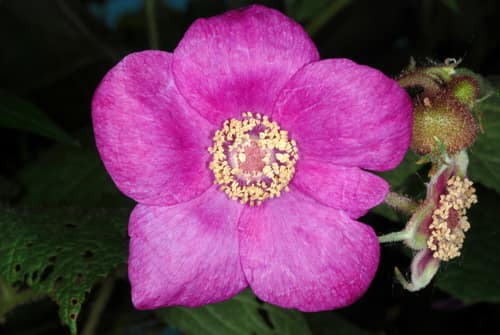
Close Relative (c) Douglas Goldman, some rights reserved (CC BY-SA), uploaded by Douglas Goldman · cc-by-sa
Help improve the field guideSomething wrong?
Checking your Fauna account…Report a name, category, or profile issue for review.