
Plant · GBIF taxon 2995149
Wineberry
Rubus phoenicolasiusAlso known as Japanese Wineberry, Wine Raspberry, Wineberry Bramble
Wineberry forms dense thickets along forest edges and roadsides, recognized by its arching canes covered in conspicuous reddish-purple bristles. Each flower is enclosed in a glandular calyx that secretes sticky droplets to deter climbing insects before revealing an orange-red aggregate fruit. Native to East Asia, it spreads aggressively through seeds scattered by birds and vegetative layering where cane tips touch moist soil.
InvasiveFruit-bearingRed-bristled
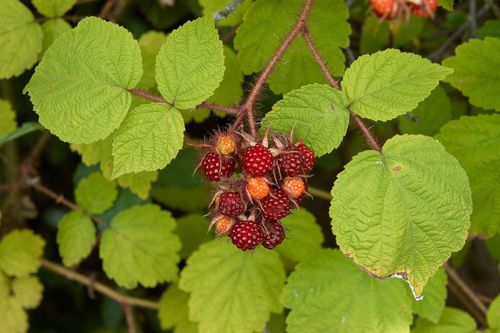
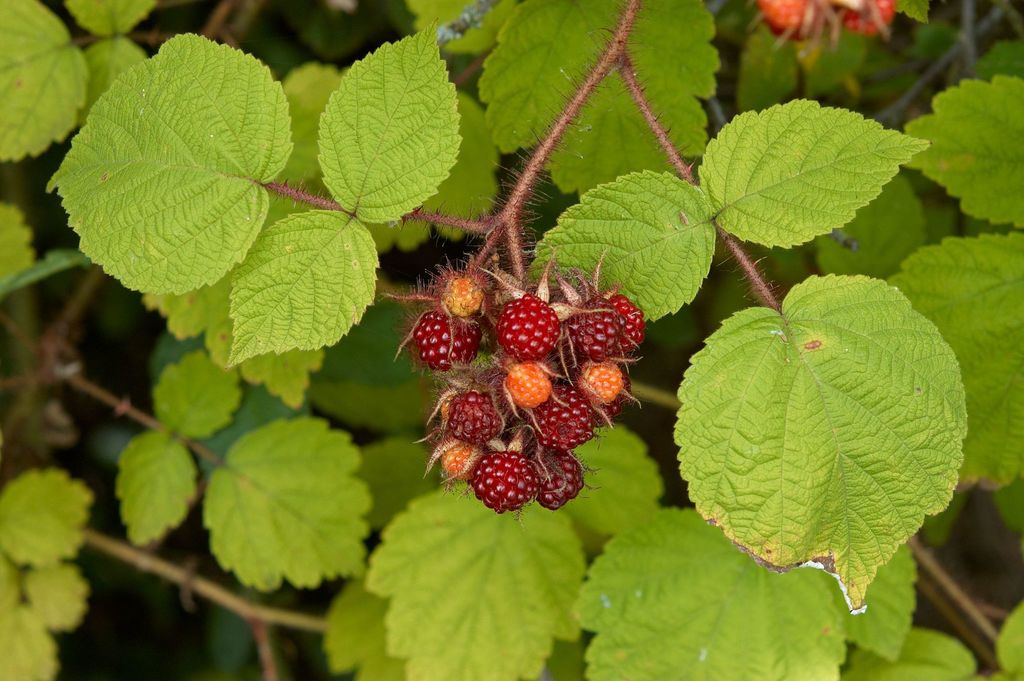
—observations
—countries
—peak records
Not EvaluatedConservation statusIUCN Red List categoriesLCNTVUENCREWEXNot Evaluated — not placed on the risk ladderRed List categories, explained →
Diet & prey
- Sunlight
- Water
- Soil nutrients
Predators
- Browsing deer
- Birds
- Small mammals
ThreatsEradication efforts in introduced ranges
HabitatsTemperate forests, wood margins, disturbed roadsides, stream banks
Life spanPerennial root system (canes biennial)
Classification
- OrderRosales
- FamilyRosaceae
- GenusRubus
- SpeciesRubus phoenicolasius
Range data is not available yet.
Interaction riskLow
- Low
- Moderate
- High
- Very high
- Why interaction risk is low
- Wild berries have toxic look-alikes; never eat wild fruit based on app identification alone.
Responsible observation
- Spotting: Look for dense, sticky red-purple bristles covering the stems and calyxes.
- Management: Cut canes to the ground and dig out root crowns to limit aggressive local spread.
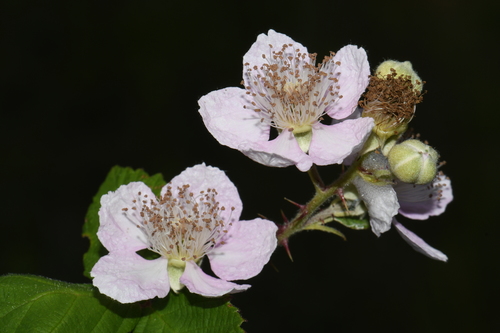
Invasive Competitor (c) Brian Finzel, some rights reserved (CC BY-SA), uploaded by Brian Finzel · cc-by-sa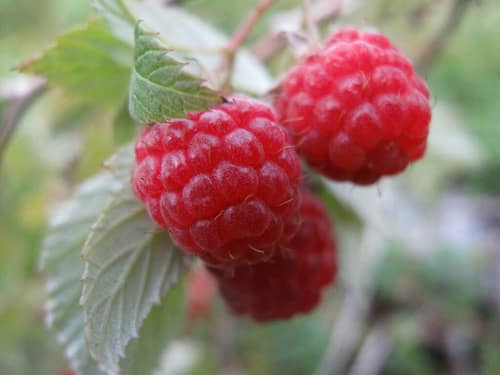
Close Relative (c) Ole Husby, some rights reserved (CC BY-SA) · cc-by-sa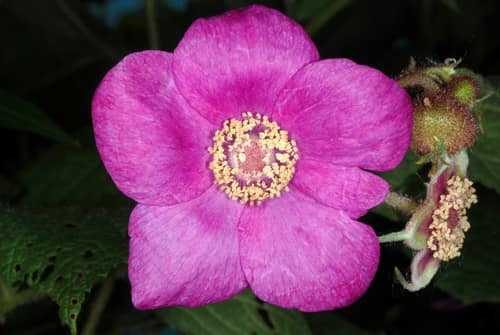
Close Relative (c) Douglas Goldman, some rights reserved (CC BY-SA), uploaded by Douglas Goldman · cc-by-sa
Help improve the field guideSomething wrong?
Checking your Fauna account…Report a name, category, or profile issue for review.