
Plant · GBIF taxon 2993761
Salmonberry
Rubus spectabilisAlso known as Salmon Berry
Salmonberry forms dense, arching thickets in moist coastal forests across western North America, featuring distinctive golden-brown bark with scattered prickles. Bright magenta blossom flowers open early in spring, offering crucial early-season nectar to arriving Rufous Hummingbirds. The raspberry-like aggregate fruit ripens from yellow-orange to deep ruby red, providing an essential food source for local birds and mammals.
DeciduousFloweringPacific Northwest
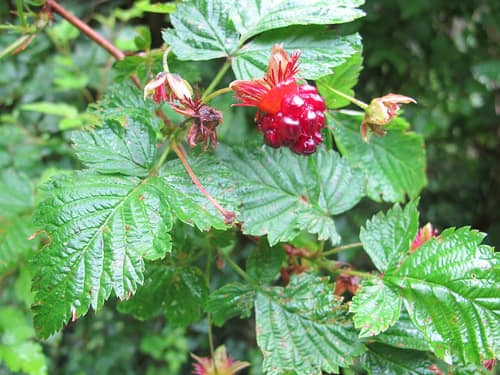
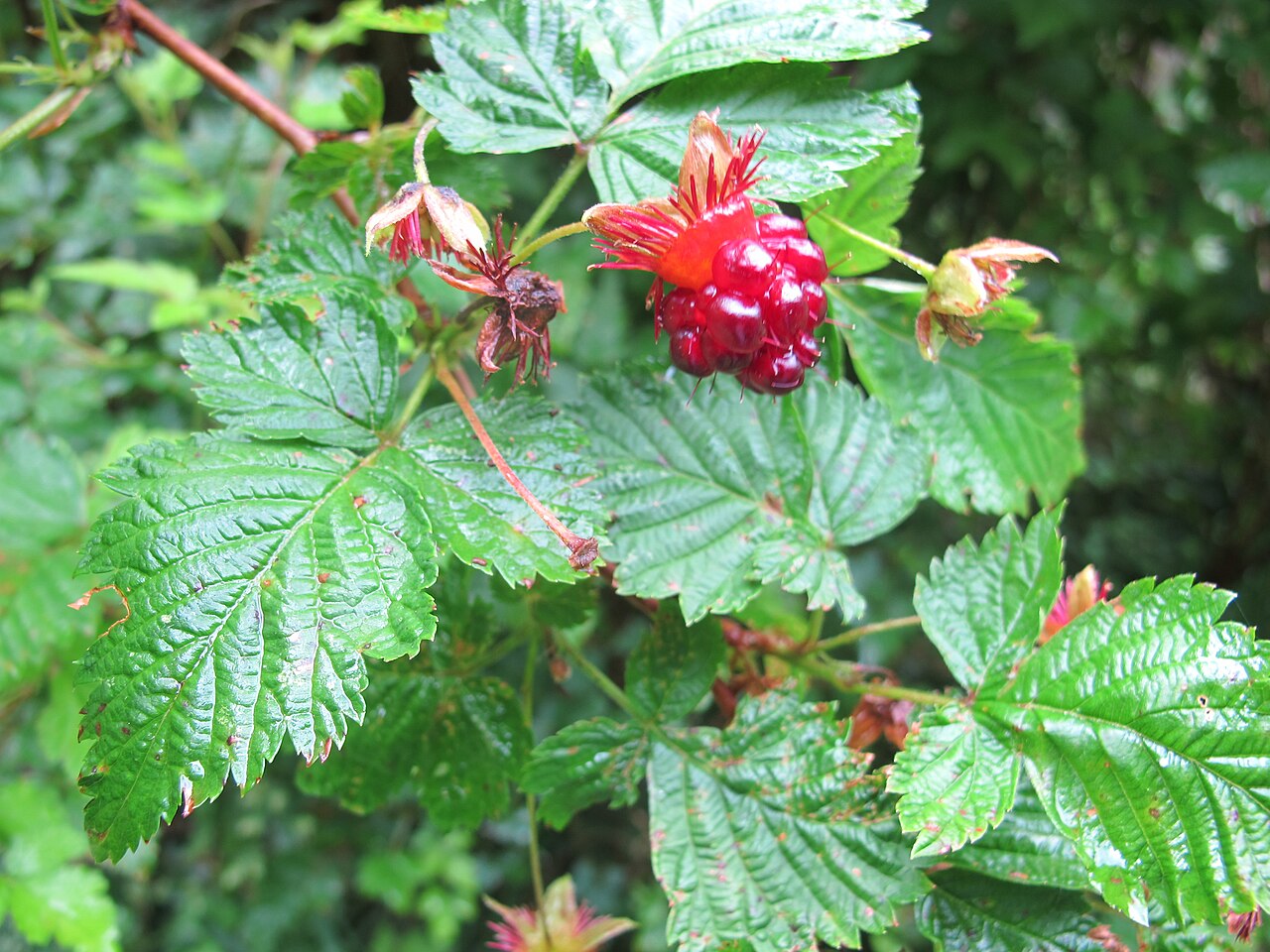
—observations
—countries
—peak records
Least ConcernConservation statusIUCN Red List categoriesLCNTVUENCREWEXLeast ConcernRed List categories, explained →
Diet & prey
- Photosynthetic
Predators
- American Black Bear
- Cedar Waxwing
- Rufous Hummingbird
ThreatsInvasive species competition, habitat development
HabitatsMoist coastal forests, stream banks, clearings
Life span20–50+ years (perennial root system)
Classification
- OrderRosales
- FamilyRosaceae
- GenusRubus
- SpeciesRubus spectabilis
Range data is not available yet.
Interaction riskLow
- Low
- Moderate
- High
- Very high
- Why interaction risk is low
- Wild berries have toxic look-alikes; never eat based on app identification alone.
Responsible observation
- Spotting Flowers: Look for bright magenta blooms early in spring along shady coastal streams.
- Identifying Stems: Note the golden-brown bark and weak, scattered prickles along woody canes.
- Wildlife Watching: Observe birds visiting thickets for cover and natural forage.
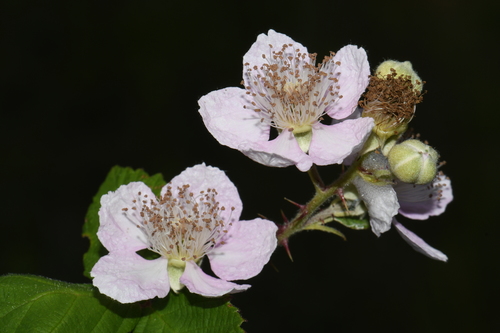
Invasive Competitor (c) Brian Finzel, some rights reserved (CC BY-SA), uploaded by Brian Finzel · cc-by-sa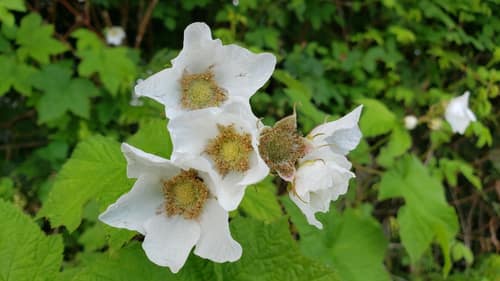
Close Relative (c) Gavin Slater, some rights reserved (CC BY), uploaded by Gavin Slater · cc-by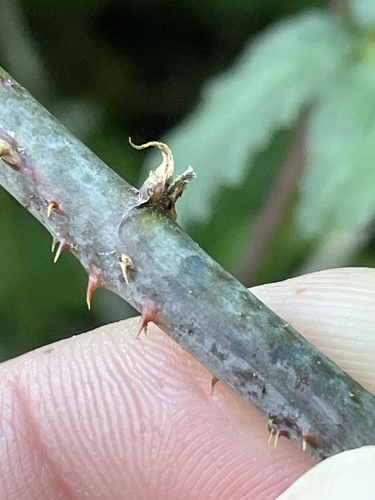
Close Relative no rights reserved, uploaded by Tom Erler · cc0
Help improve the field guideSomething wrong?
Checking your Fauna account…Report a name, category, or profile issue for review.