
Plant
Southern Dewberry
Rubus trivialisAlso known as Southern Blackberry, Low Dewberry
Southern dewberry forms low-growing, trailing brambles across sunny clearings, pine woods, and field margins throughout the southeastern United States. Its reddish stems are clad in dense, bristly hairs and sharp prickles that distinguish it from upright blackberries and other trailing dewberries. In early spring, five-petaled white flowers bloom low to the ground, serving as an important nectar resource for emerging native bees and butterflies.
TrailingFloweringSpring Bloom
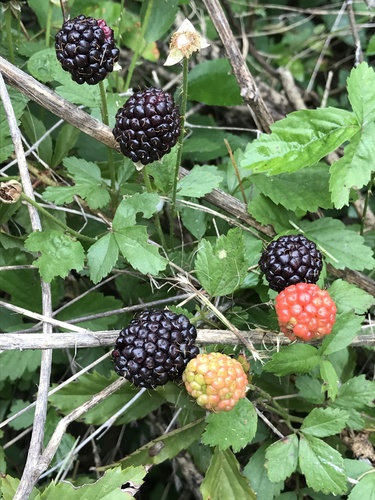
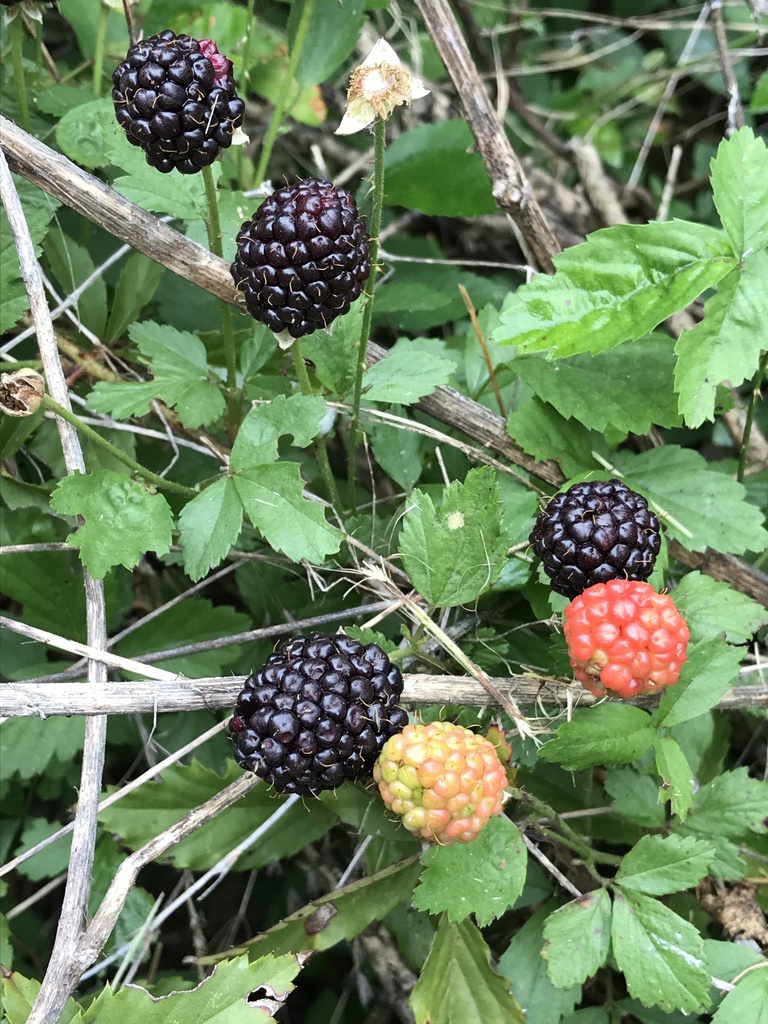
—observations
—countries
—peak records
Not EvaluatedConservation statusIUCN Red List categoriesLCNTVUENCREWEXNot Evaluated — not placed on the risk ladderRed List categories, explained →
Diet & preyAutotrophic (Photosynthesis)
Predators
- White-tailed Deer
- Wild Turkey
- Northern Bobwhite
ThreatsHabitat loss, intensive mowing, herbicide application
HabitatsPine flatwoods, open pastures, roadsides, disturbed fields
Life spanPerennial (canes live 2 years)
Classification
- OrderRosales
- FamilyRosaceae
- GenusRubus
- SpeciesRubus trivialis
Range data is not available yet.
Interaction riskLow
- Low
- Moderate
- High
- Very high
- Why interaction risk is low
- Wild berries have toxic look-alikes; never eat based on app identification alone. Watch for sharp prickles.
Responsible observation
- Spring Identification: Look for white five-petaled flowers blooming low to the ground on reddish bristly stems.
- Habitat Spotting: Search sunny pine flatwoods, ditch banks, and open fields across the South.
- Handling Caution: Watch out for sharp prickles along trailing stems when walking through low vegetation.
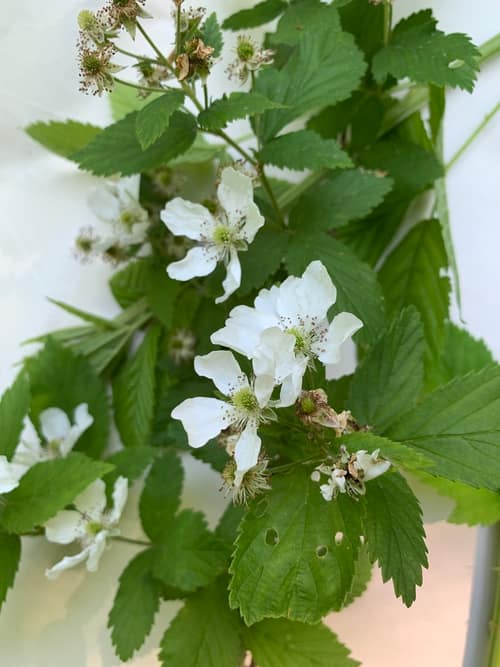
Genus Member (c) Daniel J. Layton, some rights reserved (CC BY), uploaded by Daniel J. Layton · cc-by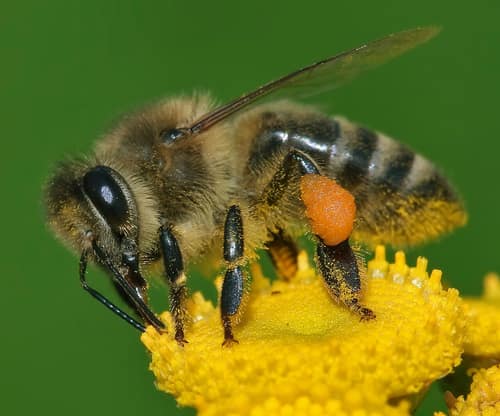
Pollinator Andreas Trepte / CC BY-SA 2.5 · cc-by-sa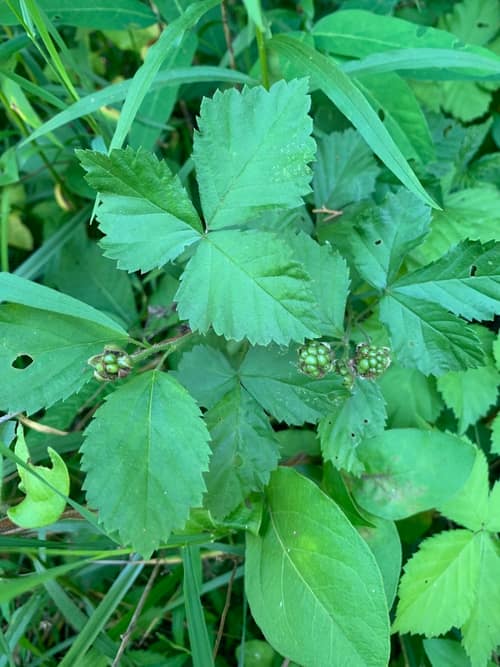
Close Relative (c) Daniel J. Layton, some rights reserved (CC BY), uploaded by Daniel J. Layton · cc-by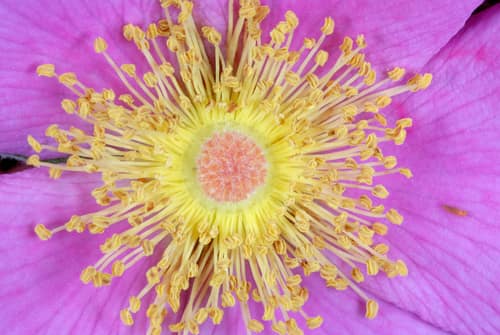
Family Member (c) Douglas Goldman, some rights reserved (CC BY-SA) · cc-by-sa
Help improve the field guideSomething wrong?
Checking your Fauna account…Report a name, category, or profile issue for review.