
Plant
Sawtooth Blackberry
Rubus argutusAlso known as Tall Blackberry, Sharp-Toothed Blackberry
Sawtooth blackberry forms dense, arching thickets characterized by sharply serrated leaves and stout prickles along its ridged canes. White five-petaled flowers bloom in late spring, providing abundant nectar for native bees before developing into dark aggregate fruit. These thorny briar patches offer vital nesting cover and winter shelter for small mammals and songbirds across eastern North America.
NativePricklyFlowering
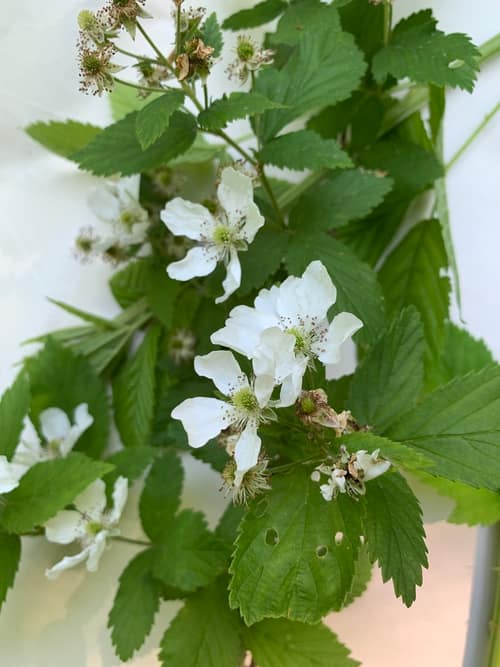
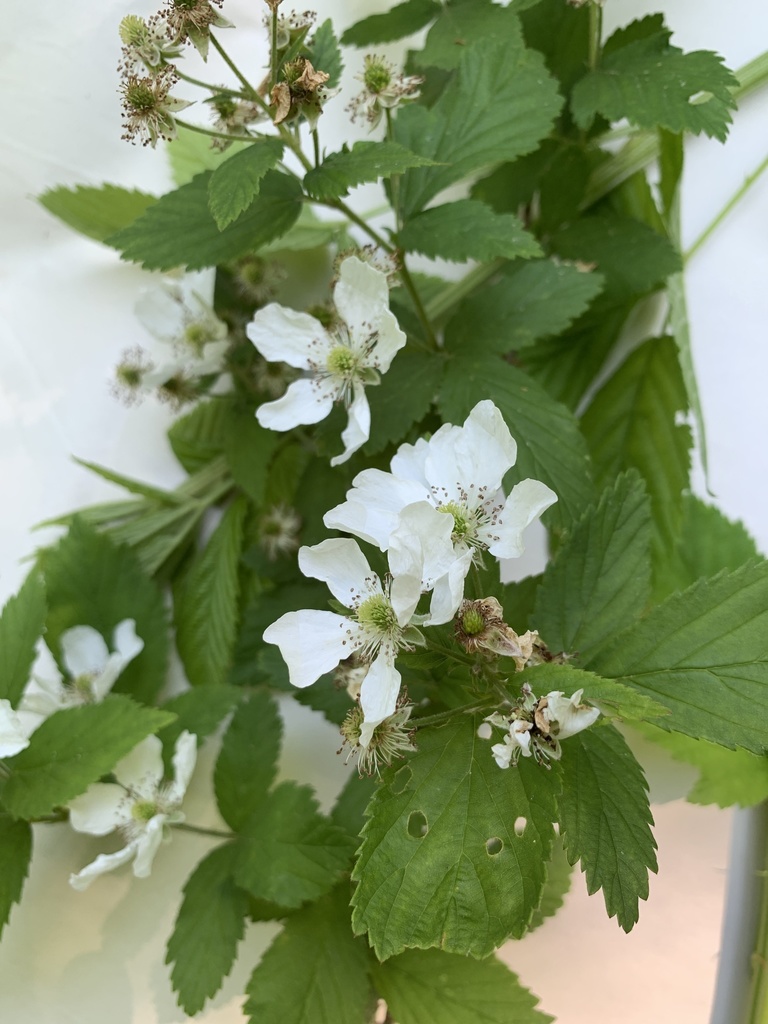
—observations
—countries
—peak records
Least ConcernConservation statusIUCN Red List categoriesLCNTVUENCREWEXLeast ConcernRed List categories, explained →
Diet & preySunlight, Water, Soil Minerals
Predators
- White-Tailed Deer
- Black Bears
- Songbirds
ThreatsHabitat clearance, competition from non-native invasive brambles
HabitatsOld fields, forest edges, fence rows, roadsides, disturbed thickets
Life spanPerennial (canes live 2 years)
Classification
- OrderRosales
- FamilyRosaceae
- GenusRubus
- SpeciesRubus argutus
Range data is not available yet.
Interaction riskLow
- Low
- Moderate
- High
- Very high
- Why interaction risk is low
- Wild berries have toxic look-alikes; never eat based on app identification alone.
Responsible observation
- Avoid Thickets: Wear sturdy pants and long sleeves when navigating near mature bramble patches.
- Spring Viewing: Look for clusters of white five-petaled flowers blooming along sunlit forest margins.
- Observe Wildlife: Watch for thrushes and towhees foraging in the protective tangle of lower canes.
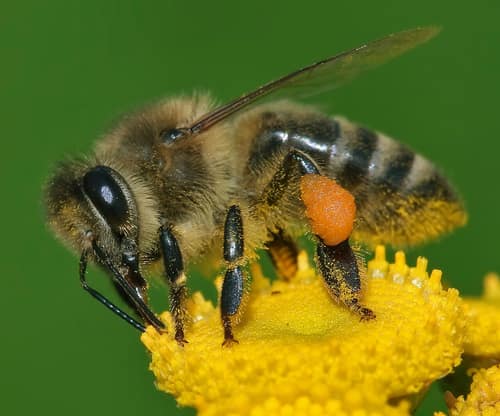
Pollinator Andreas Trepte / CC BY-SA 2.5 · cc-by-sa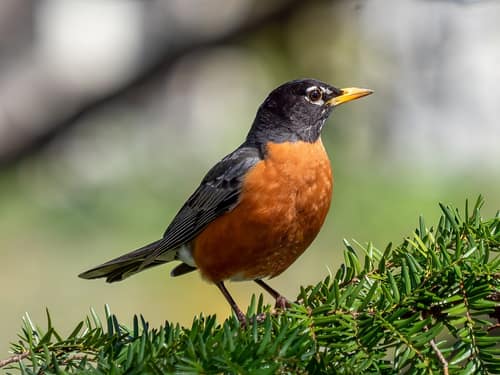
Seed Disperser Rhododendrites / CC BY-SA 4.0 · cc-by-sa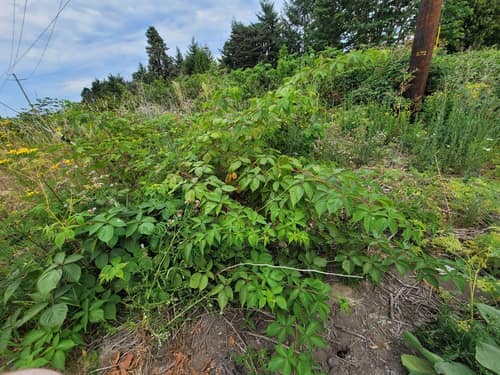
Close Relative (c) giantcicada, some rights reserved (CC BY) · cc-by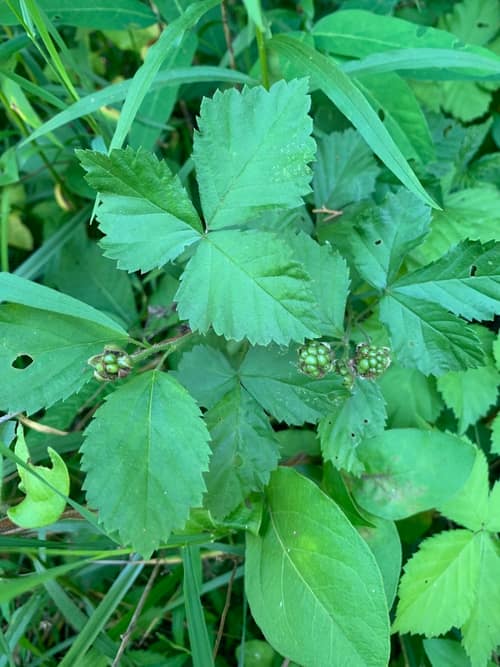
Close Relative (c) Daniel J. Layton, some rights reserved (CC BY), uploaded by Daniel J. Layton · cc-by
Help improve the field guideSomething wrong?
Checking your Fauna account…Report a name, category, or profile issue for review.