
Plant · GBIF taxon 2990646
Trailing Blackberry
Rubus ursinusAlso known as California Blackberry, Pacific Blackberry, Pacific Dewberry, Douglas Berry
Trailing blackberry creeps along forest floors and open hillsides across western North America, forming dense vegetative carpets with slender, prickle-armed canes. Unlike upright blackberry species, its flexible stems ground-root at the tips to spread rapidly across disturbed ground and forest clearings. High ecological value defines this native shrub, offering essential nesting cover for songbirds and critical forage for local mammals.
NativeTrailing VinePacific Northwest
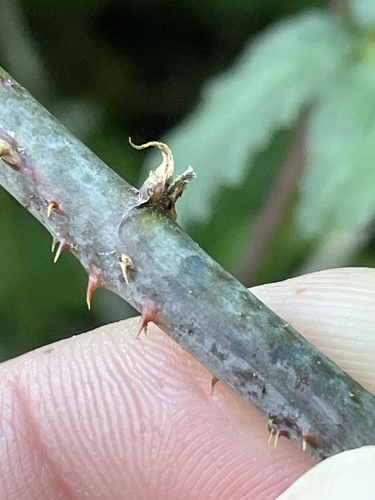
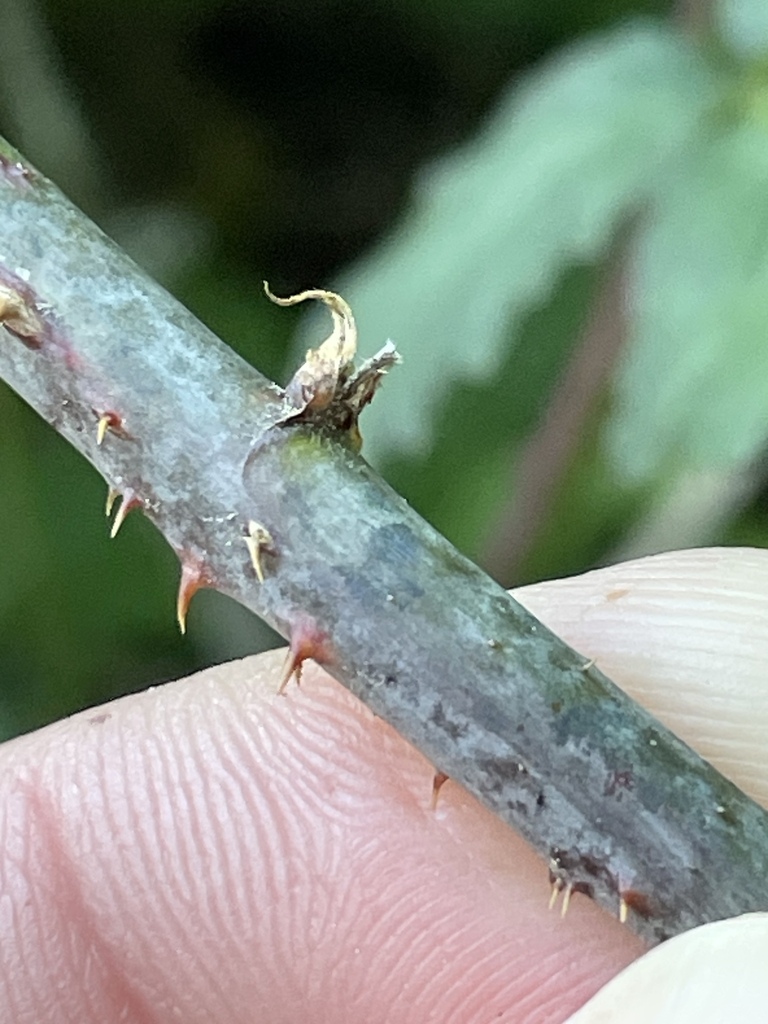
—observations
—countries
—peak records
Least ConcernConservation statusIUCN Red List categoriesLCNTVUENCREWEXLeast ConcernRed List categories, explained →
Diet & prey
- Autotrophic
Predators
- Black Bears
- Mule Deer
- Songbirds
ThreatsInvasive Species Competition, Land Clearing
HabitatsConiferous Forests, Woodlands, Coastal Scrub, Burn Areas
Life spanPerennial (canes live 2 years)
Size / weightNot available
Classification
- OrderRosales
- FamilyRosaceae
- GenusRubus
- SpeciesRubus ursinus
Range data is not available yet.
Interaction riskLow
- Low
- Moderate
- High
- Very high
- Why interaction risk is low
- Wild berries have toxic look-alikes; never eat wild fruits based on app identification alone.
Responsible observation
- Prickle Caution: Wear thick gloves and long sleeves when navigating thickets to protect against slender prickles.
- Identification: Distinguish from non-native invasive blackberries by its low trailing habit and narrow leaflets.
- Observation Etiquette: Avoid trampling low-growing vines off trails to protect ground-nesting birds.
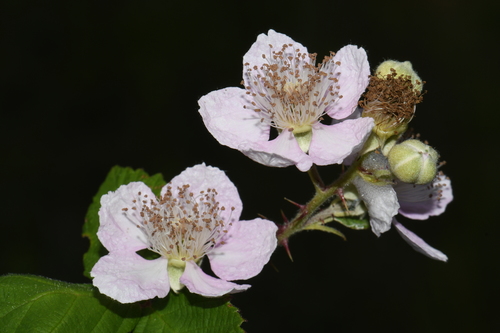
Invasive Competitor (c) Brian Finzel, some rights reserved (CC BY-SA), uploaded by Brian Finzel · cc-by-sa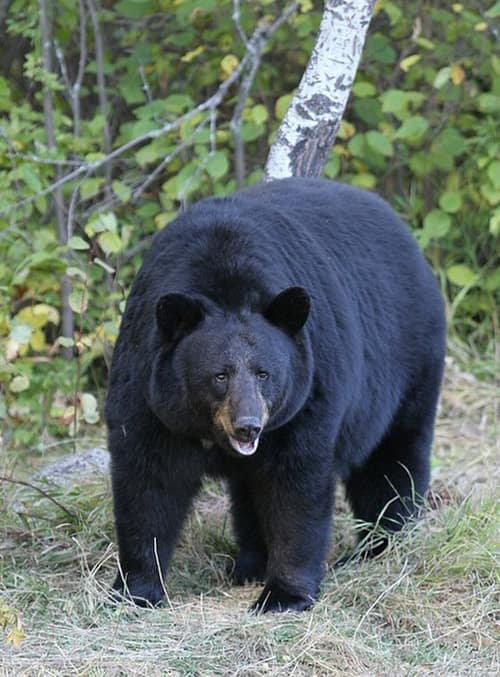
Seed Disperser Diginatur / CC BY-SA 3.0 · cc-by-sa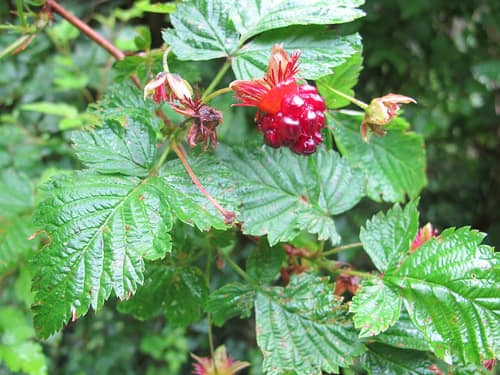
Close Relative Margalob / CC BY-SA 4.0 · cc-by-sa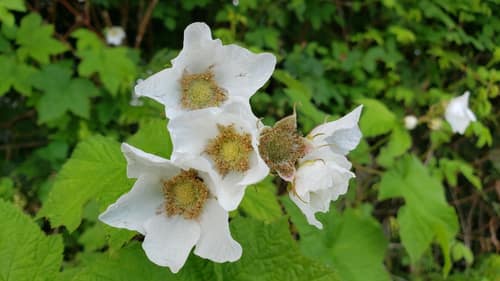
Close Relative (c) Gavin Slater, some rights reserved (CC BY), uploaded by Gavin Slater · cc-by
Help improve the field guideSomething wrong?
Checking your Fauna account…Report a name, category, or profile issue for review.