
Plant · GBIF taxon 2986121
American Black Currant
Ribes americanumAlso known as Wild Black Currant, Eastern Black Currant
American Black Currant grows as an upright, thornless shrub in wet woodlands, floodplains, and stream margins throughout northern North America. Hanging clusters of cream-colored, bell-shaped flowers open in late spring, attracting native bees and early butterflies. Resinous yellow dots on the leaf undersides release a pungent, aromatic scent when rubbed, distinguishing it from related wild currants.
Native ShrubWetland PlantDeciduous
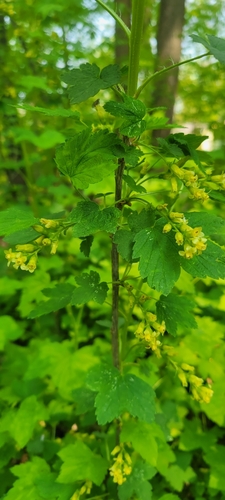
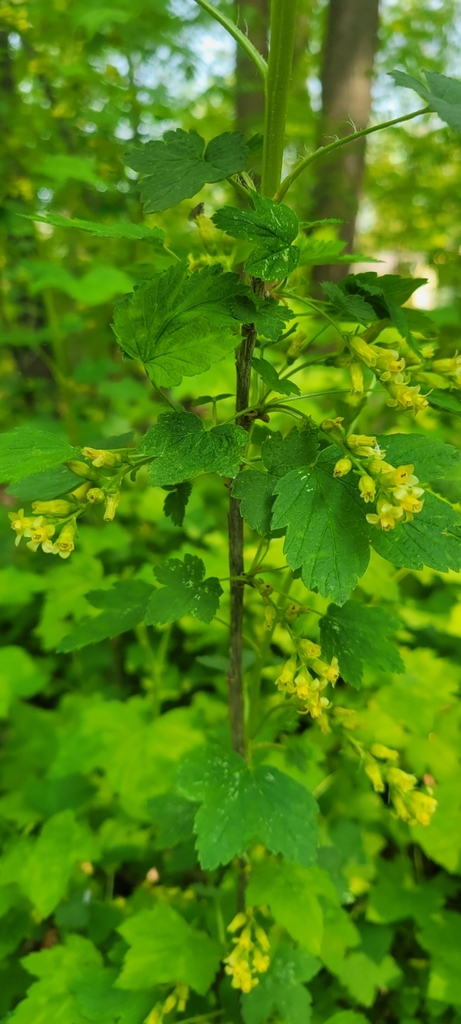
—observations
—countries
—peak records
Least ConcernConservation statusIUCN Red List categoriesLCNTVUENCREWEXLeast ConcernRed List categories, explained →
Diet & prey
- Sunlight
- Water
- Soil Nutrients
Predators
- White-tailed Deer
- Cedar Waxwing
- American Robin
ThreatsWetland drainage, invasive species competition
HabitatsWetlands, moist woodlands, floodplains, stream banks
Life span15–30 years
Size / weightNot available
Classification
- FamilyGrossulariaceae
- SpeciesRibes americanum
Range data is not available yet.
Interaction riskLow
- Low
- Moderate
- High
- Very high
- Why interaction risk is low
- Wild berries have toxic look-alikes; never eat based on app identification alone.
Responsible observation
- Scented Foliage: Rub the leaf underside gently to detect yellow resin glands and a strong fragrance.
- Thornless Stems: Distinguish from gooseberries by checking for smooth, thorn-free branches.
- Spring Blooms: Look for drooping clusters of yellowish-cream flowers in damp woods from May to June.
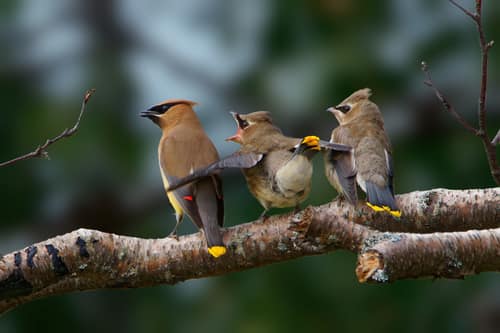
Frugivore (c) Christian Back, some rights reserved (CC BY), uploaded by Christian Back · cc-by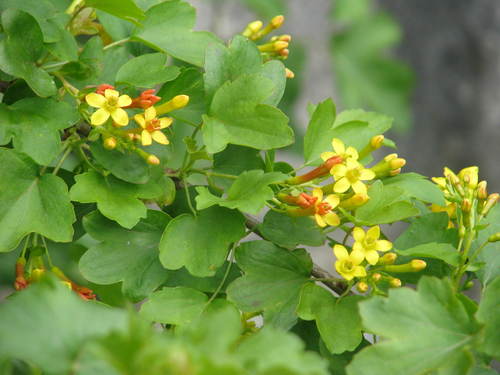
Close Relative (c) peganum, some rights reserved (CC BY-SA) · cc-by-sa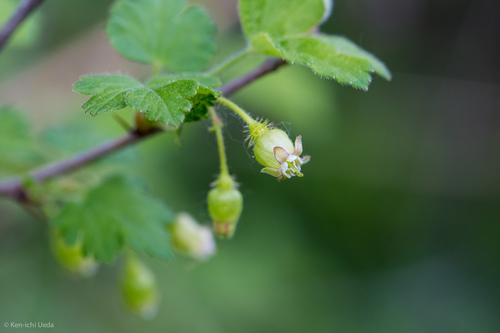
Close Relative (c) Ken-ichi Ueda, some rights reserved (CC BY), uploaded by Ken-ichi Ueda · cc-by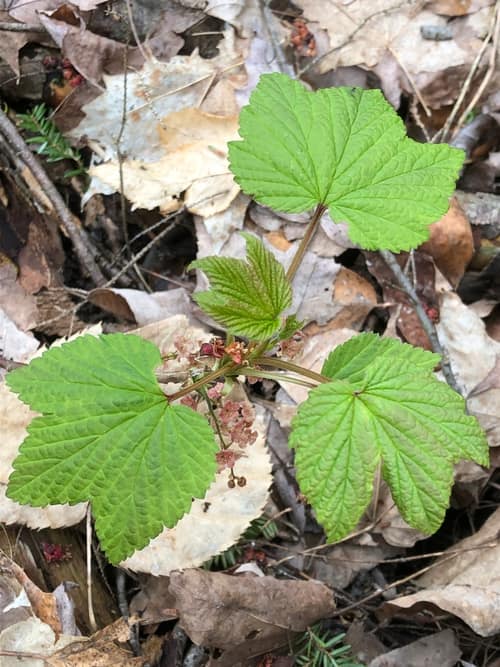
Close Relative (c) Jenn (McPhee) Dyson, some rights reserved (CC BY), uploaded by Jenn (McPhee) Dyson · cc-by
Help improve the field guideSomething wrong?
Checking your Fauna account…Report a name, category, or profile issue for review.