
Plant · GBIF taxon 2985995
Panicle Hydrangea
Hydrangea paniculataAlso known as Panicled Hydrangea, Peegee Hydrangea
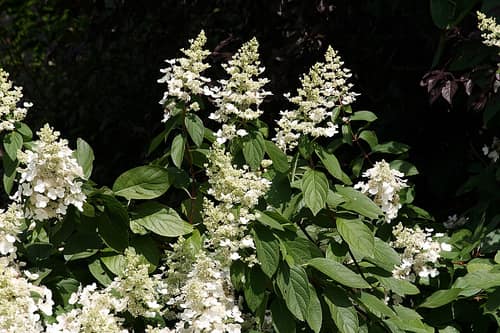
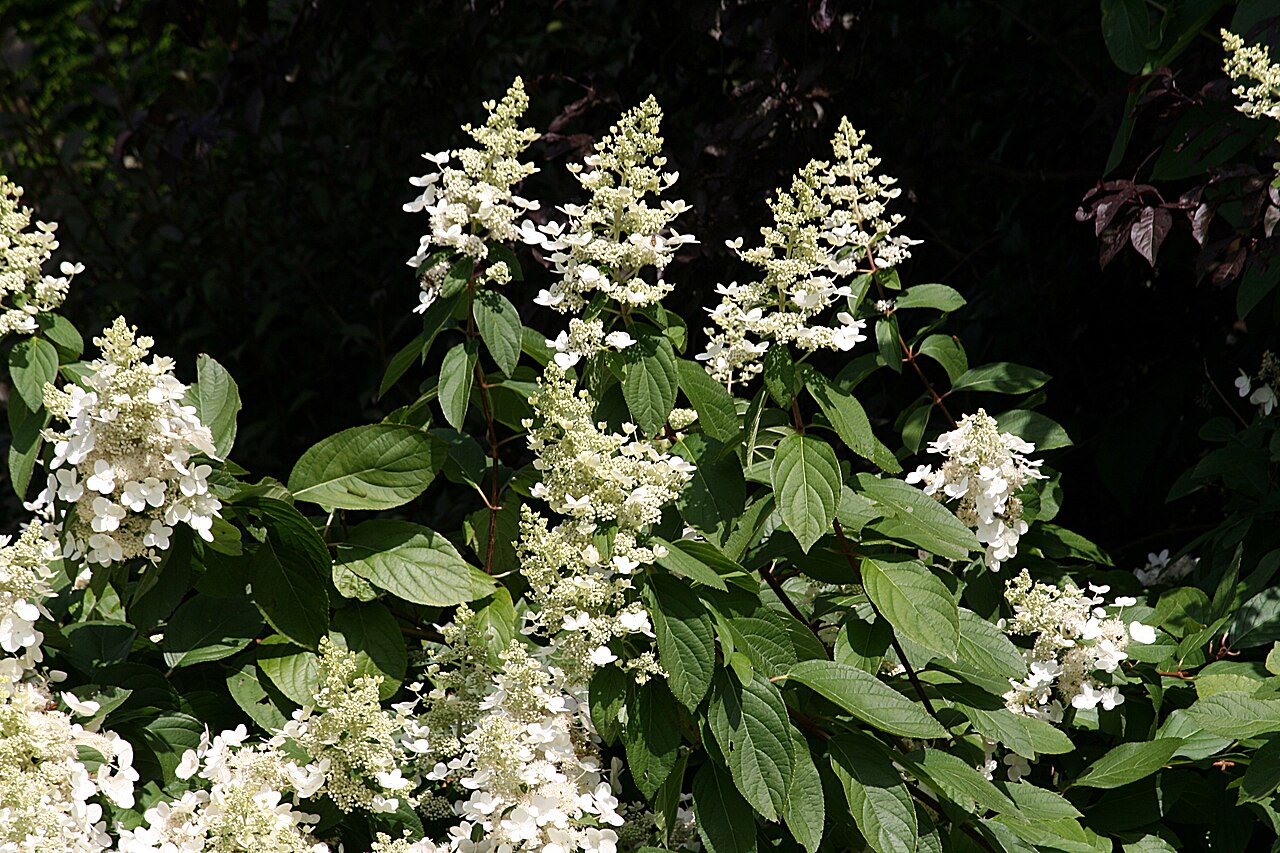
Panicle hydrangeas are robust deciduous shrubs renowned for their massive, cone-shaped flower clusters that bloom from midsummer into autumn. As the blossoms age, their creamy white petals gradually transform into striking shades of dusty pink, rose, and muted green. Native to mixed forests and mountain slopes of East Asia, these hardy woody plants serve as valuable late-season nectar sources for pollinating insects.
Deciduous ShrubFloweringOrnamental
—observations
—countries
—peak records
Least ConcernConservation statusIUCN Red List categoriesLCNTVUENCREWEXLeast ConcernRed List categories, explained →
Diet & prey
- Autotrophic (Photosynthetic)
Predators
- Deer
- Rabbits
- Herbivorous Insects
ThreatsHabitat clearance in wild populations, severe cold desiccation
HabitatsMixed forests, mountain slopes, stream banks, gardens
Life span30–50+ years
Size / weightNot available
Classification
- OrderCornales
- FamilyHydrangeaceae
- GenusHydrangea
- SpeciesHydrangea paniculata
Range data is not available yet.
Interaction riskHigh
- Low
- Moderate
- High
- Very high
- Why interaction risk is high
- Contains cyanogenic glycosides; toxic to humans, dogs, and cats if leaves or flowers are eaten.
- Why it is dangerous
- Contains hydrangin, a cyanogenic glycoside that releases cyanide when chewed, causing vomiting, lethargy, and intestinal pain.
- How to recognize a risky encounter
- Recognized by opposite serrated leaves and upright, cone-shaped flower heads that turn pinkish with age.
- What to do
- Do not consume any plant parts and keep pets away from pruned branches or fallen flower heads.
Responsible observation
- Best Viewing: Look for peak flower displays in late summer when white blossoms shift toward deep rose.
- Pruning Care: Cut back in late winter since blooms develop on new wood produced in the current season.
- Garden Placement: Observe cultivated specimens in full sun to partial shade with moist, well-draining soil.
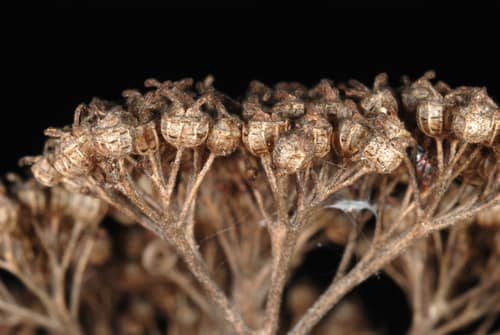
Close Relative (c) Douglas Goldman, some rights reserved (CC BY-SA), uploaded by Douglas Goldman · cc-by-sa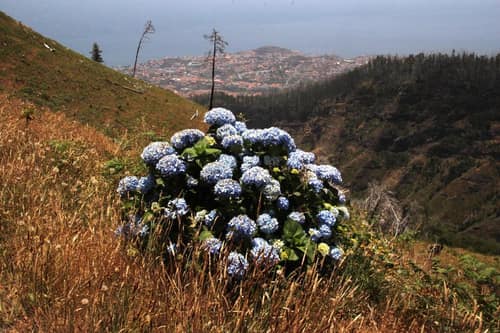
Close Relative (c) Tony Rebelo, some rights reserved (CC BY-SA), uploaded by Tony Rebelo · cc-by-sa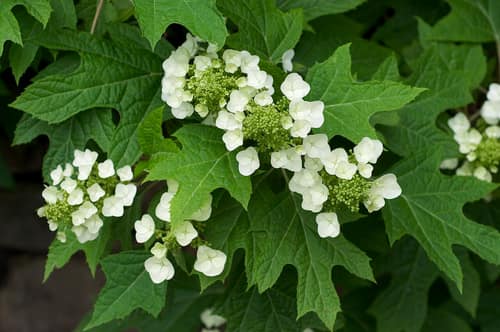
Close Relative Eric in SF / CC BY-SA 3.0 · cc-by-sa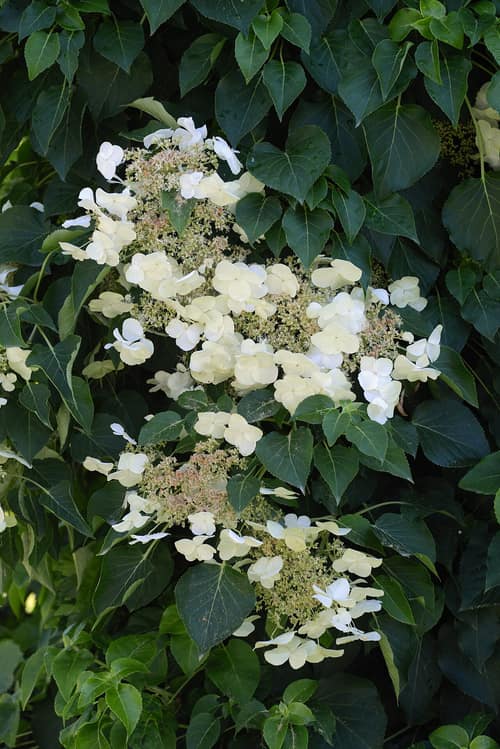
Close Relative Alvesgaspar / CC BY-SA 3.0 · cc-by-sa
Help improve the field guideSomething wrong?
Checking your Fauna account…Report a name, category, or profile issue for review.