
Plant · GBIF taxon 2985994
Mophead Hydrangea
Hydrangea macrophyllaAlso known as Bigleaf Hydrangea, Lacecap Hydrangea, Hortensia, French Hydrangea
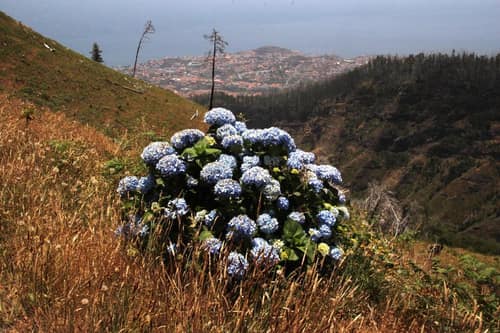
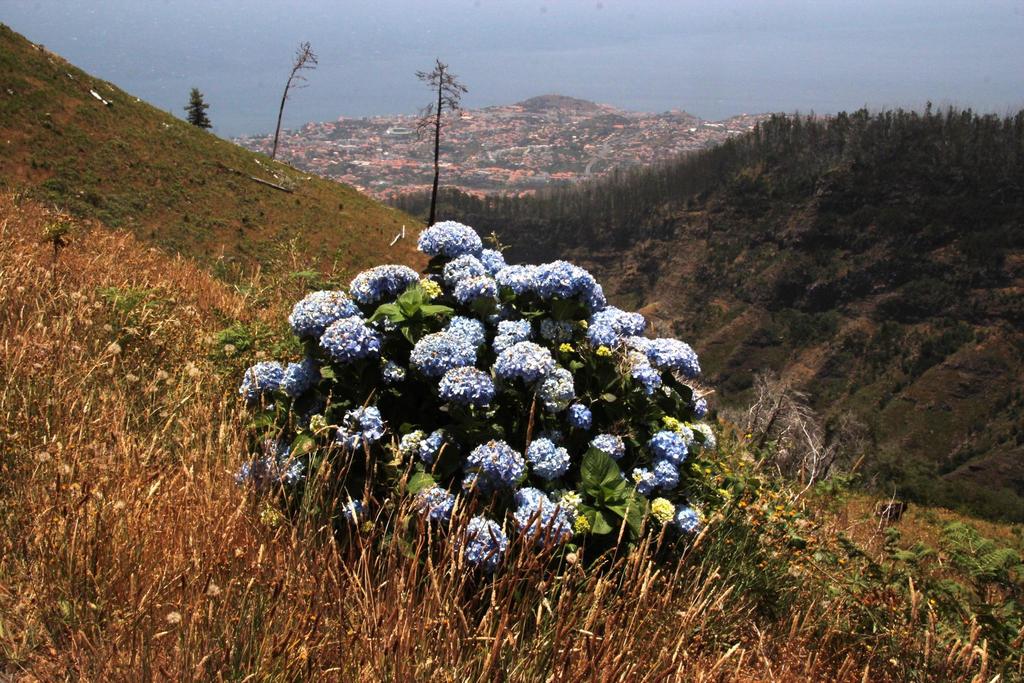
Mophead hydrangeas dominate summer gardens with massive, globe-shaped flower clusters that shift color between pink and vivid blue according to soil acidity. Free aluminum ions in acidic soil transform blooms into intense indigo, whereas alkaline conditions produce rich pink hues. Native to coastal Japanese slopes, these broad-leaved deciduous shrubs thrive best in moist, well-drained soil sheltered by dappled forest shade.
DeciduousFloweringOrnamental
 1 / 7
1 / 7—observations
—countries
—peak records
Not EvaluatedConservation statusIUCN Red List categoriesLCNTVUENCREWEXNot Evaluated — not placed on the risk ladderRed List categories, explained →
Diet & prey
- Autotrophic (Photosynthetic)
Predators
- White-Tailed Deer
- Garden Snails
- Slugs
ThreatsLate spring frosts, severe drought, excessive winter freezing
HabitatsCoastal valleys, temperate forest edges, cultivated gardens
Life spanUp to 50 years
Size / weightNot available
Classification
- OrderCornales
- FamilyHydrangeaceae
- GenusHydrangea
- SpeciesHydrangea macrophylla
Range data is not available yet.
Interaction riskHigh
- Low
- Moderate
- High
- Very high
- Why interaction risk is high
- Contains cyanogenic glycosides that cause digestive distress if ingested; safe to observe without eating.
- Why it is dangerous
- Contains cyanogenic glycosides such as hydrangin, which release hydrogen cyanide upon ingestion, causing nausea, vomiting, and lethargy.
- How to recognize a risky encounter
- Recognized by broad, coarsely serrated dark green leaves and massive round flower clusters in shades of pink, purple, or blue.
- What to do
- Keep plants out of reach of browsing livestock, curious pets, and young children, and avoid ingesting any plant parts.
Responsible observation
- Soil Adjustment: Add sulfur or aluminum sulfate to acidify soil for blue flowers, or garden lime for pink blooms.
- Pruning Management: Trim stems immediately after summer blooms fade to avoid cutting off next season's developed buds.
- Hydration Guarding: Provide deep watering at the base during warm summer mornings to prevent midday leaf drooping.
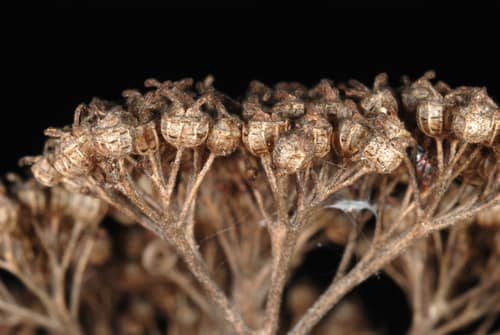
Close Relative (c) Douglas Goldman, some rights reserved (CC BY-SA), uploaded by Douglas Goldman · cc-by-sa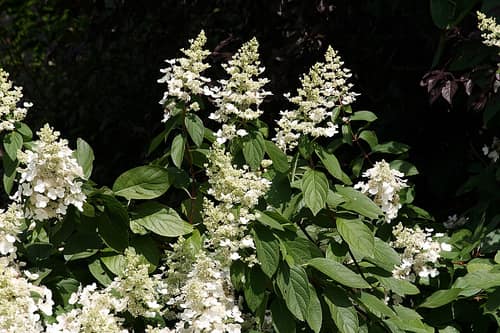
Close Relative Hedwig Storch / CC BY-SA 3.0 · cc-by-sa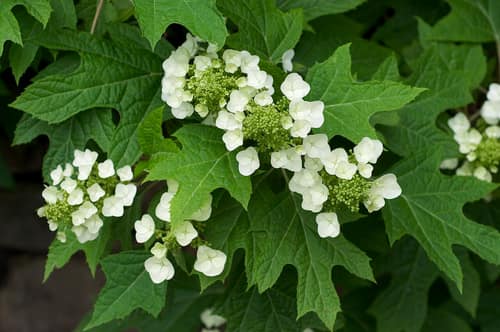
Close Relative Eric in SF / CC BY-SA 3.0 · cc-by-sa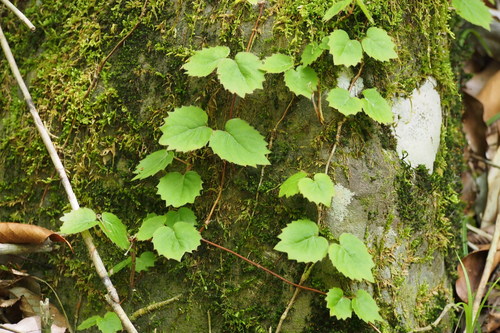
Close Relative (c) harum.koh, some rights reserved (CC BY-SA) · cc-by-sa
Help improve the field guideSomething wrong?
Checking your Fauna account…Report a name, category, or profile issue for review.