
Plant
Breadfruit
Artocarpus altilisAlso known as Sukun, Ulu, Rima
Polynesian voyagers transported root cuttings of this magnificent canopy tree across thousands of miles of ocean, establishing it on islands throughout the South Pacific. Large glossy leaves with deep pinnate lobes create a dense shade canopy that shelters diverse understory flora and tropical birds. The massive globose fruits develop from dense female inflorescences and rely on fruit bats for seed dispersal in wild island populations.
TropicalTreeEvergreen
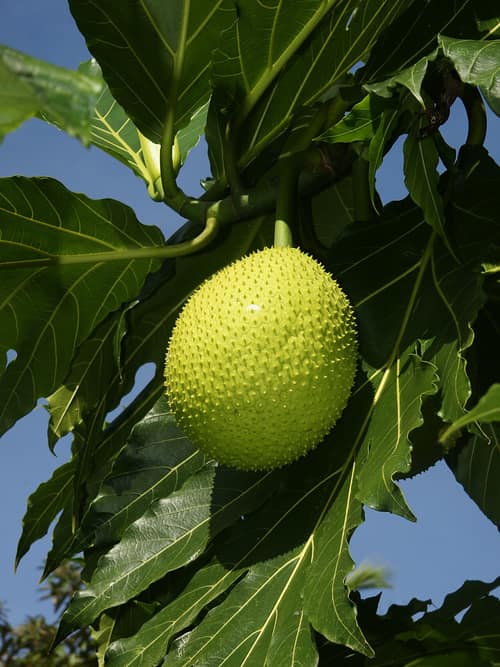
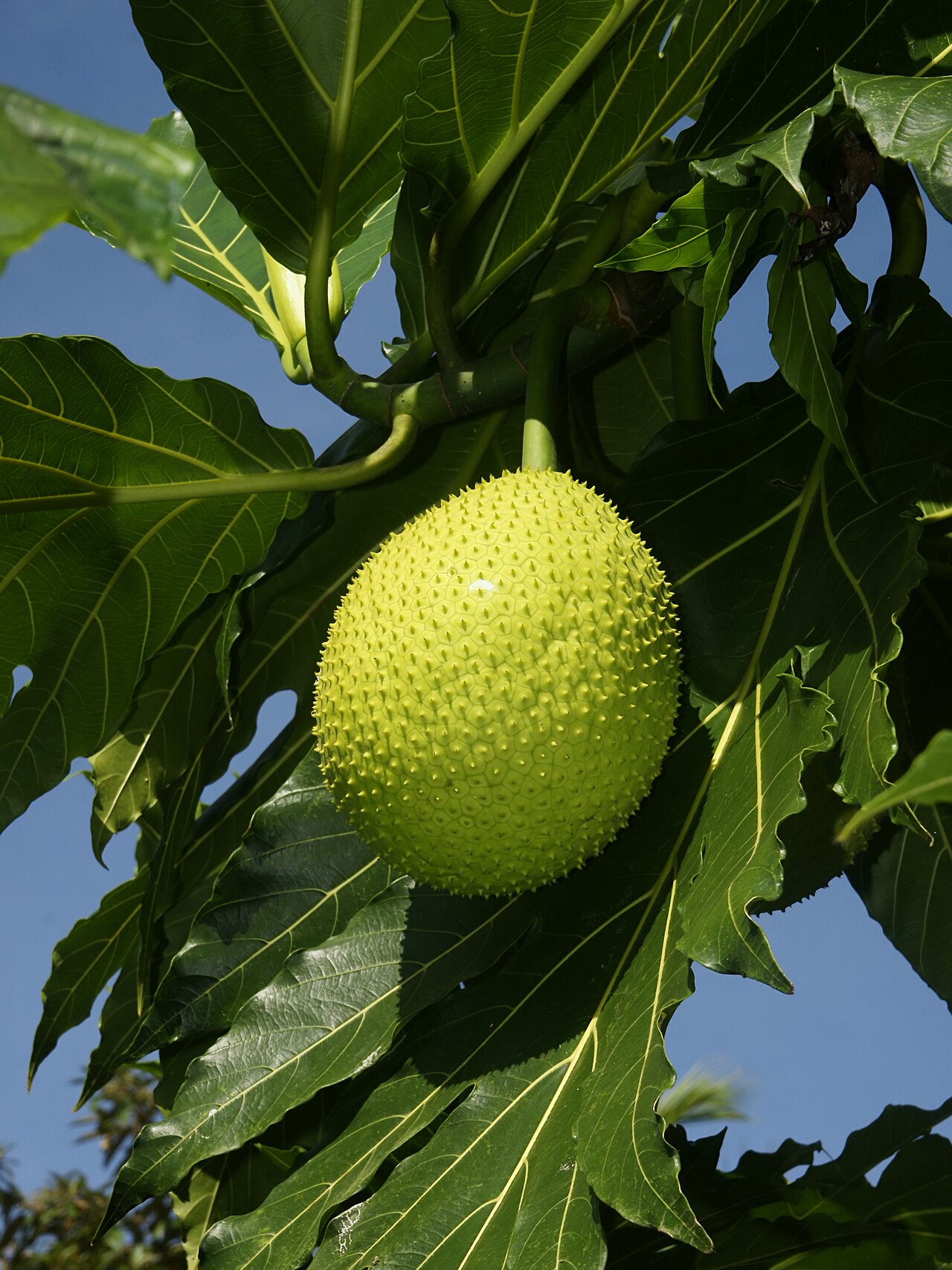
—observations
—countries
—peak records
Data DeficientConservation statusIUCN Red List categoriesLCNTVUENCREWEXData Deficient — not placed on the risk ladderRed List categories, explained →
Diet & preyAutotrophic
ThreatsHabitat loss, extreme storm events, localized blights
HabitatsTropical lowlands, coastal forests, domestic gardens
Life span50–100 years
Classification
- OrderRosales
- FamilyMoraceae
- GenusArtocarpus
- SpeciesArtocarpus altilis
Range data is not available yet.
Interaction riskLow
- Low
- Moderate
- High
- Very high
- Why interaction risk is low
- Wild fruits have toxic look-alikes; never eat wild plants based on app identification alone.
Responsible observation
- Observing Leaves: Look for giant pinnately lobed leaves reaching up to 90 centimeters long with bright yellow veins.
- Spotting Flowers: Male and female flowers grow on the same tree, with male club-shaped spikes appearing first.
- Safe Distance: Avoid standing directly beneath heavy maturing fruit to prevent injury from falling fruit.
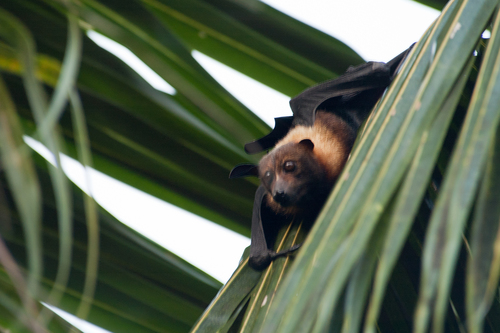
Seed Disperser (c) Paul Asman and Jill Lenoble, some rights reserved (CC BY) · cc-by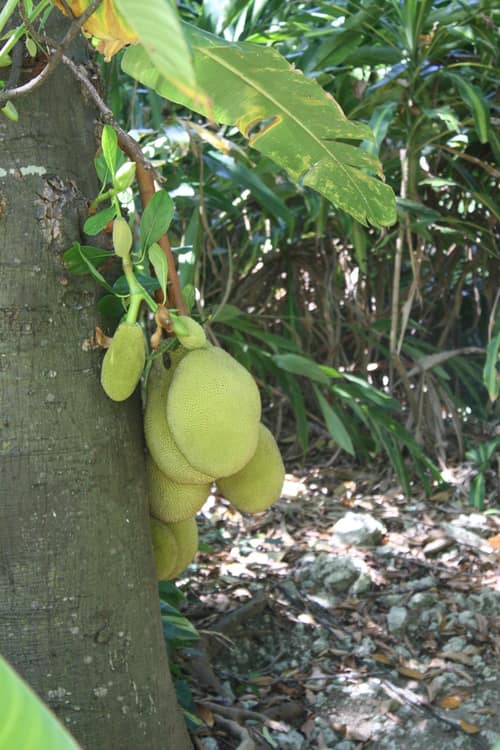
Close Relative (c) Postdlf, some rights reserved (CC BY-SA) · cc-by-sa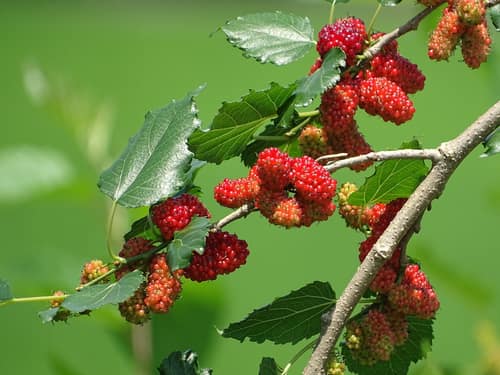
Family Member no rights reserved, uploaded by 葉子 · cc0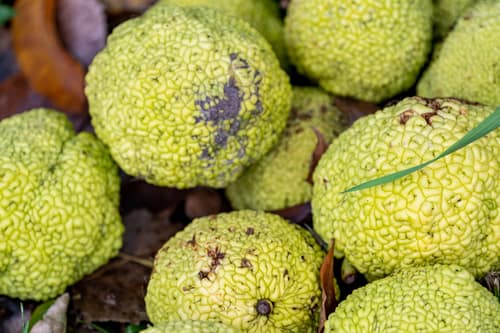
Family Member (c) Patrick Hanly, some rights reserved (CC BY), uploaded by Patrick Hanly · cc-by
Help improve the field guideSomething wrong?
Checking your Fauna account…Report a name, category, or profile issue for review.