
Plant · GBIF taxon 2949728
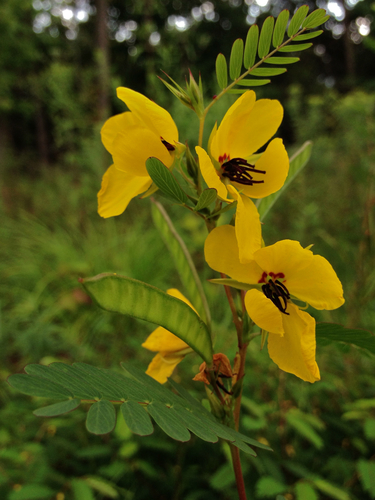
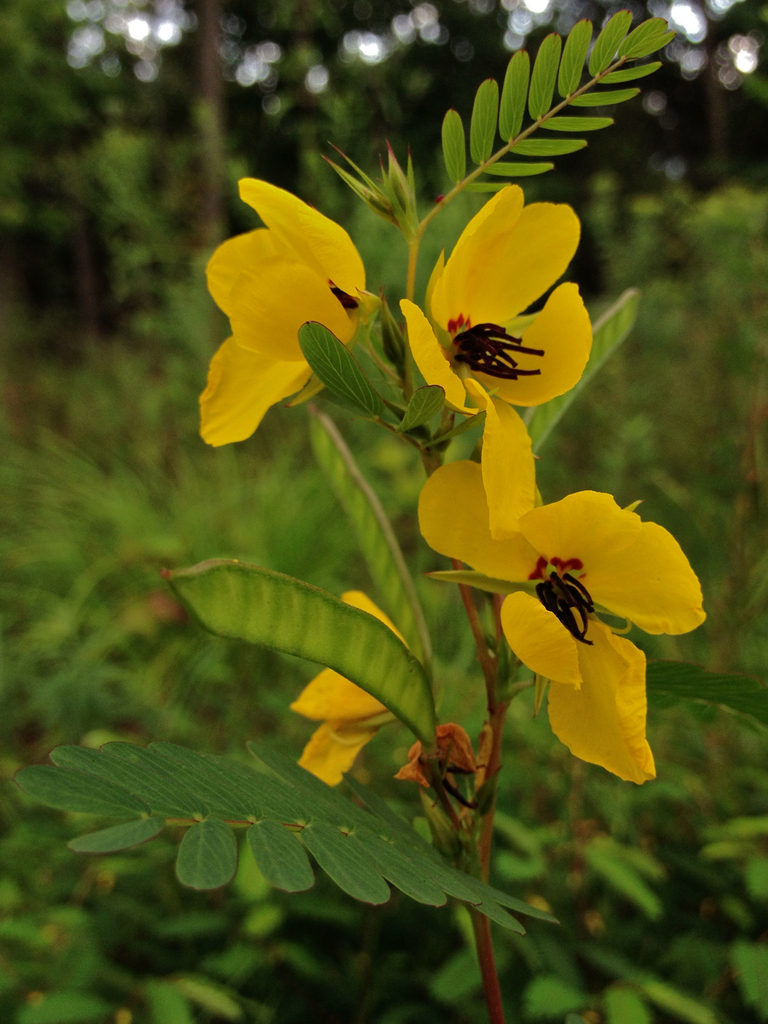
Partridge Pea
Chamaecrista fasciculataAlso known as Showy Partridge Pea, Sleepingplant, Sensitive Pea, Prairie Partridge Pea
Showy yellow blossoms with red-centered stamens bloom along reddish stems from midsummer until the first hard frost. Specialized extrafloral nectaries near the base of each leaf stem secrete sweet fluid to attract predatory ants, which defend the plant against herbivorous caterpillars. As night falls or when brushed by touch, the feathery fern-like leaflets fold together along the midrib.
NativeWildflowerAnnual
—observations
—countries
—peak records
Least ConcernConservation statusIUCN Red List categoriesLCNTVUENCREWEXLeast ConcernRed List categories, explained →
Diet & prey
- Photosynthetic (Nitrogen-Fixing)
Predators
- Herbivorous Insects
- White-Tailed Deer
- Granivorous Birds
ThreatsHerbicide applications, habitat loss, severe drought
HabitatsPrairies, savannas, open fields, roadsides, disturbed soils
Life span1 year (Annual)
Size / weightNot available
Classification
- OrderFabales
- FamilyFabaceae
- GenusChamaecrista
- SpeciesChamaecrista fasciculata
Range data is not available yet.
Interaction riskLow
- Low
- Moderate
- High
- Very high
- Why interaction risk is low
- Safe to observe at a normal distance.
Responsible observation
- Observe Leaf Movement: Gently touch the fern-like leaflets to watch them slowly fold shut.
- Look for Nectaries: Examine the base of leaf stems to find small nectar glands that attract ants.
- Listen for Buzz Pollination: Watch bumblebees vibrate flowers to shake pollen from the dark anthers.
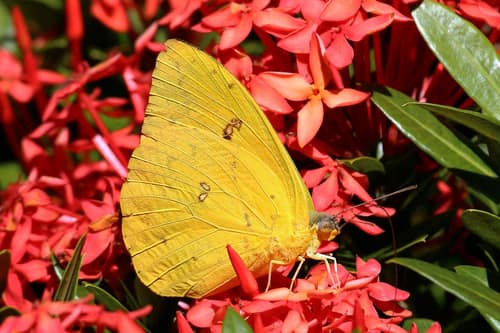
Host Plant Charles J. Sharp / CC BY-SA 4.0 · cc-by-sa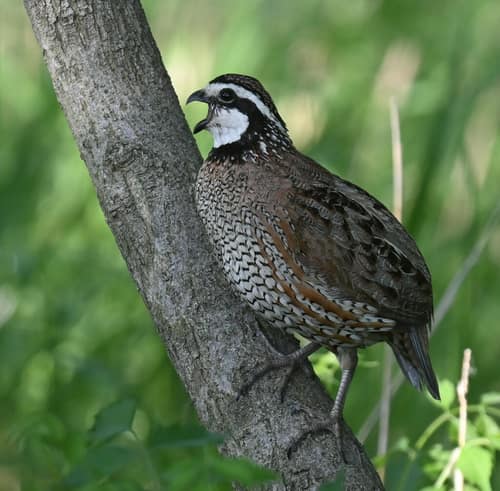
Seed Consumer no rights reserved · cc0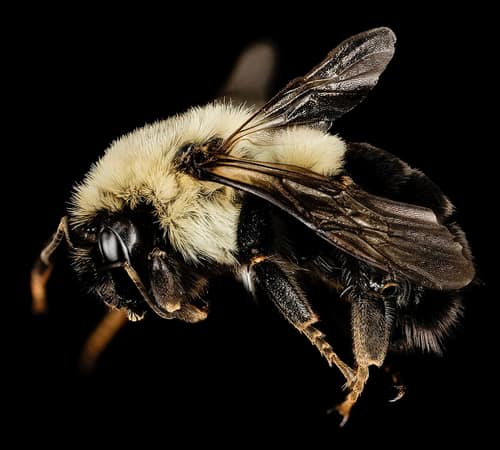
Pollinator USGS Bee Inventory and Monitoring Lab from Beltsville, Maryland, USA / Public domain · cc0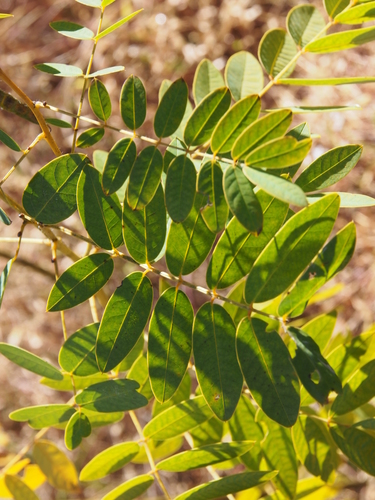
Close Relative (c) Lena Struwe, some rights reserved (CC BY-SA), uploaded by Lena Struwe · cc-by-sa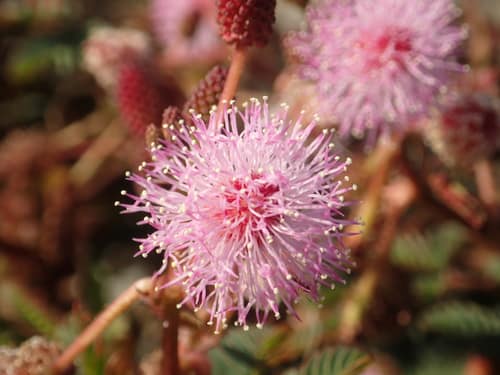
Distant Relative no rights reserved, uploaded by 葉子 · cc0
Help improve the field guideSomething wrong?
Checking your Fauna account…Report a name, category, or profile issue for review.