Also known as Habanero Pepper, Scotch Bonnet, Bonnet Pepper, Yellow Lantern Chili
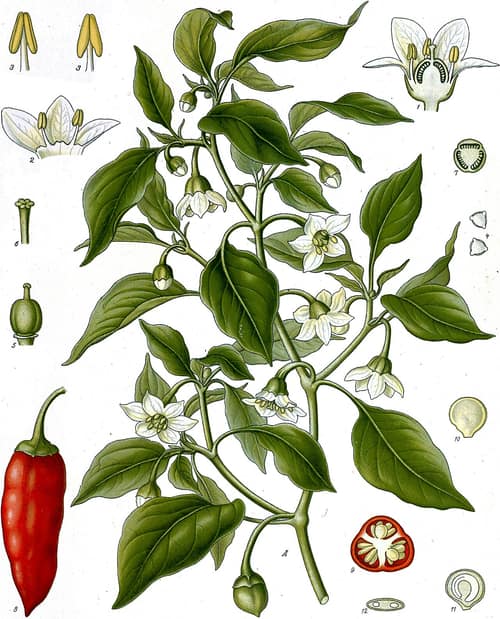
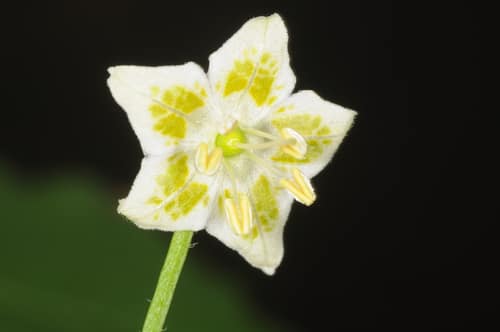
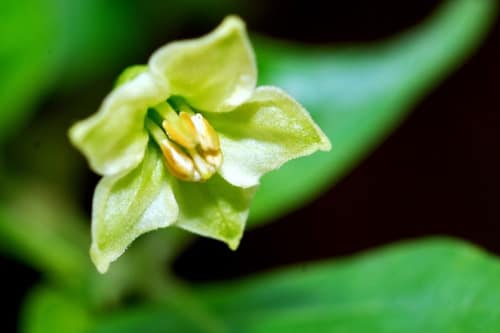
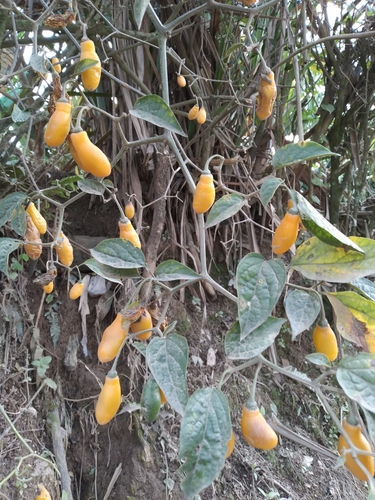
Capsicum chinense thrives in humid tropical warmth, distinguished botanically from its relatives by multiple drooping flowers per stem node and a distinct annular groove at the calyx base. Wild birds consume the vivid pods unaffected by capsaicin, dispersing seeds over wide territories while mammalian herbivores are repelled by the intense burning sensation. Originating in the western Amazon basin, this perennial shrub has diversified into hundreds of distinct regional landraces renowned for extreme pungency and floral aromas.
Not EvaluatedConservation statusIUCN Red List categoriesLCNTVUENCREWEXNot Evaluated — not placed on the risk ladderRed List categories, explained →
Key facts
Diet & preyAutotrophic (photosynthesis)
Predators
Silverleaf Whitefly
Broad Mite
Green Peach Aphid
ThreatsFungal wilts, whitefly-transmitted viruses, and frost damage
HabitatsTropical lowlands, forest borders, river basins, and cultivated fields
Life spanPerennial (grown as an annual in cold climates; 3–10 years in frost-free zones)
Classification
OrderSolanales
FamilySolanaceae
GenusCapsicum
SpeciesCapsicum chinense
Range & activity
Range data is not available yet.
Safe observation
Interaction riskLow
Low
Moderate
High
Very high
Why interaction risk is low
Contains intense capsaicinoids that severely irritate skin and eyes; handle pods with gloves.
Why it is dangerous
Fruit tissues synthesize concentrated capsaicinoids, which stimulate pain and thermal receptors, causing acute burning sensations, erythema, and temporary mucosal inflammation.
How to recognize a risky encounter
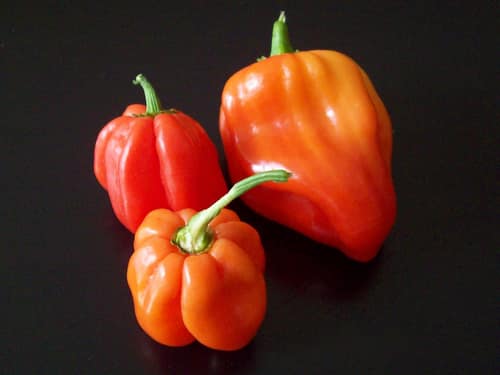
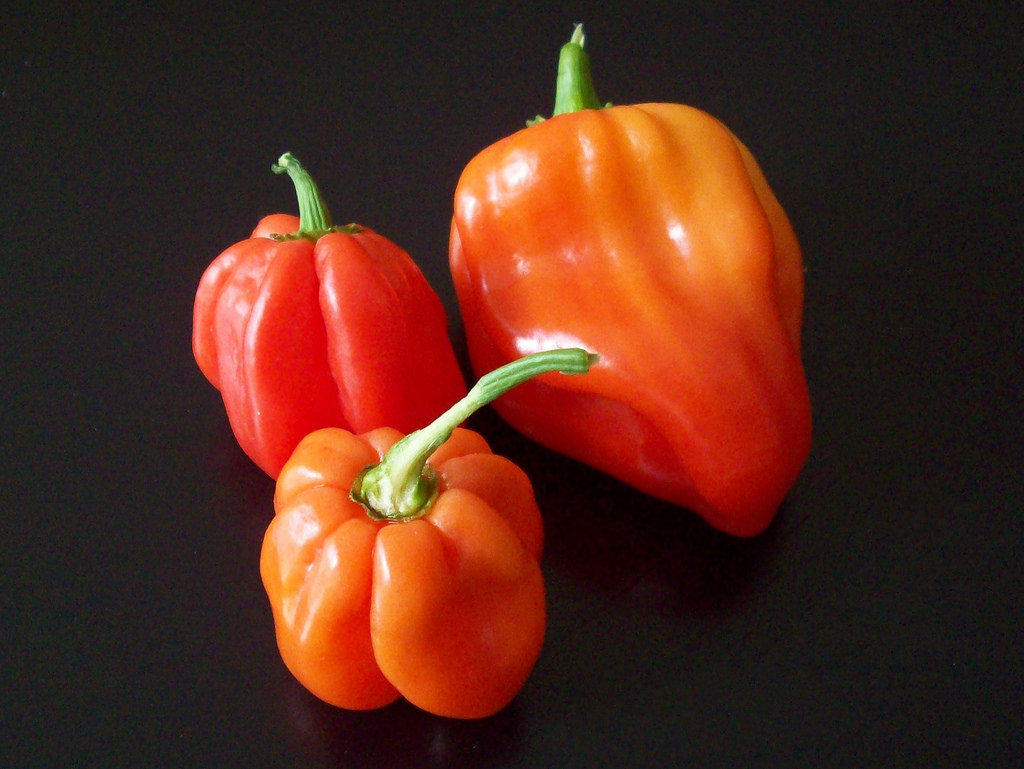
Recognize by compact, pendant, wrinkled or lantern-shaped pods accompanied by pale, greenish-white blossoms growing in clusters from leaf nodes.
What to do
Wear protective gloves when touching cut fruit, wash skin thoroughly with soap and water if contact occurs, and avoid touching the face or eyes.
Responsible observation
Safe Handling: Wear non-porous gloves when harvesting or cutting ripe pods to avoid chemical burns.
Field Identification: Check stem nodes for clusters of two or more pendant, greenish-white flowers.
Cold Protection: Provide shelter or greenhouse cover whenever night temperatures drop below 12 degrees Celsius.