
Plant
Eggplant
Solanum melongenaAlso known as Aubergine, Brinjal, Melongene, Guinea Squash
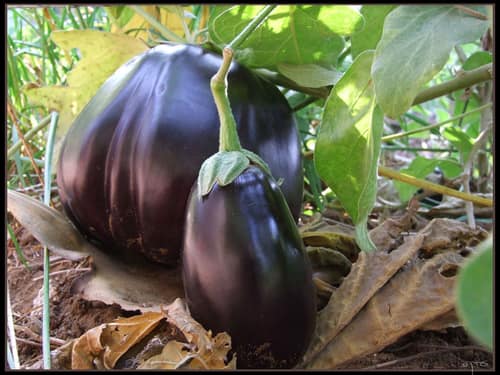
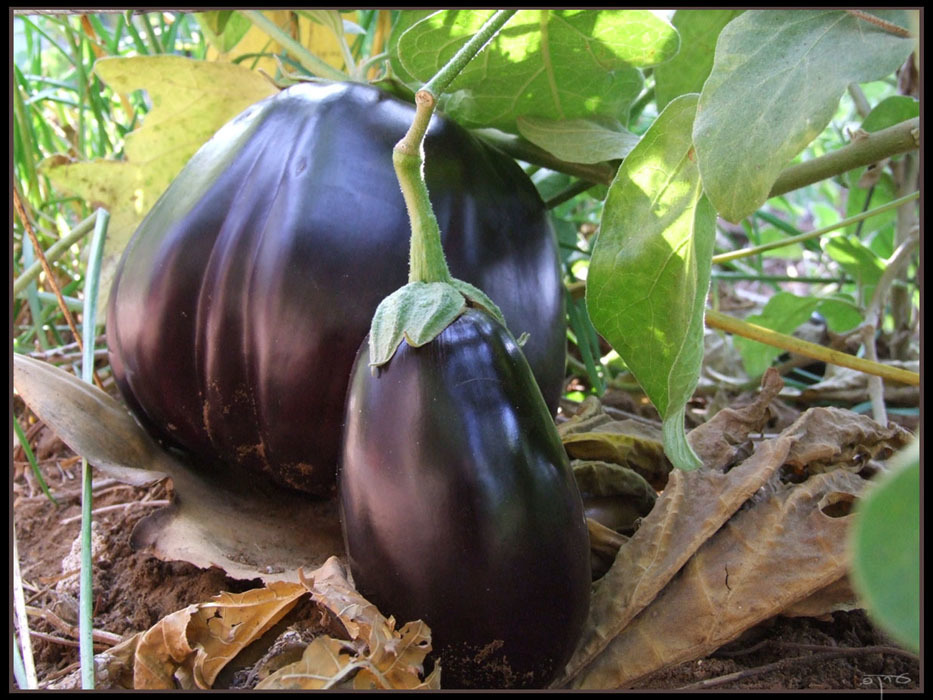
Eggplants are tender perennial plants cultivated globally for their glossy, sponge-like fruits that feature rich shades of purple, white, and green. Native to South and East Asia, these plants display broad, hairy leaves and star-shaped violet flowers on sturdy stems. They thrive in warm summer weather and play a central role in culinary traditions across Asia, the Mediterranean, and the Middle East.
CultivatedNightshadeAgricultural
—observations
—countries
—peak records
Not EvaluatedConservation statusIUCN Red List categoriesLCNTVUENCREWEXNot Evaluated — not placed on the risk ladderRed List categories, explained →
Diet & preySunlight, Soil nutrients, Water
Predators
- Flea beetles
- Colorado potato beetle
- Spider mites
ThreatsFrost, flea beetles, verticillium wilt, blossom end rot
HabitatsAgricultural fields, home gardens, tropical and warm temperate regions
Life spanTender perennial, typically grown as an annual
Classification
- OrderSolanales
- FamilySolanaceae
- GenusSolanum
- SpeciesSolanum melongena
Range data is not available yet.
Interaction riskModerate
- Low
- Moderate
- High
- Very high
- Why interaction risk is moderate
- Leaves, stems, and green plant parts contain solanine, which is toxic to humans and pets if ingested.
- Why it is dangerous
- Leaves, stems, and unripened tissues contain solanine glycoalkaloids that cause vomiting, diarrhea, and neurological symptoms if eaten raw.
- How to recognize a risky encounter
- Recognized by broad hairy leaves, purple star blossoms, and spiny green calyxes capping the glossy fruit.
- What to do
- Keep pets away from garden vegetation and harvest only fully matured fruits for safe consumption.
Responsible observation
- Sunlight Requirements: Plant in full sun with well-draining, rich soil for optimal fruit development.
- Support Stems: Stake heavy fruiting branches early to prevent tall stems from snapping under fruit weight.
- Pest Prevention: Inspect young leaves frequently for tiny flea beetle damage in late spring.
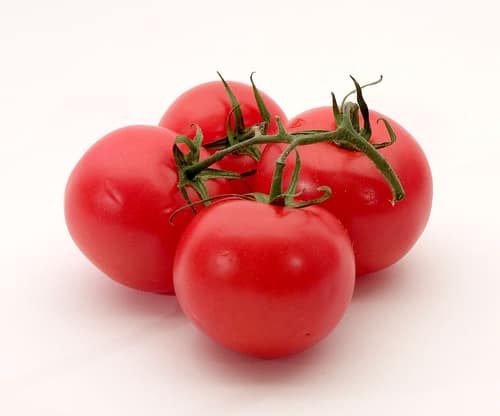
Close Relative Softeis / CC BY-SA 3.0 · cc-by-sa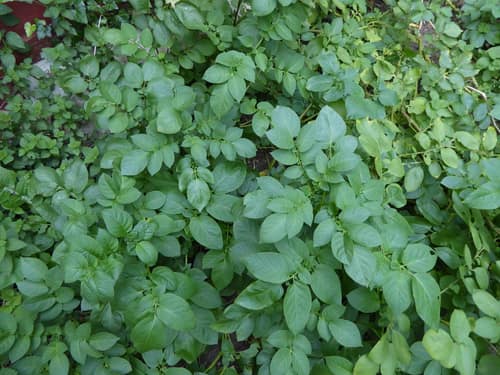
Close Relative (c) jamie-aa, some rights reserved (CC BY), uploaded by jamie-aa · cc-by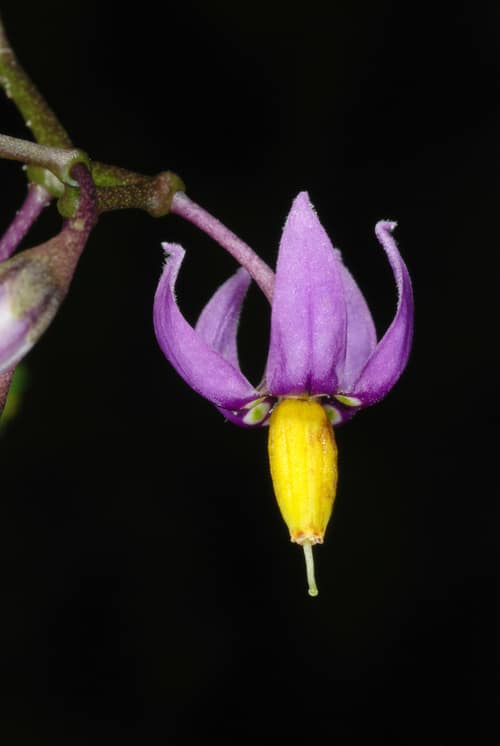
Wild Relative (c) Douglas Goldman, some rights reserved (CC BY-SA), uploaded by Douglas Goldman · cc-by-sa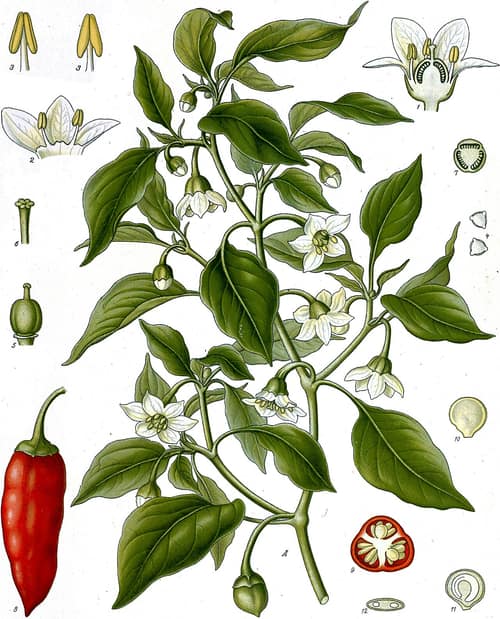
Nightshade Relative Franz Eugen Köhler, Köhler's Medizinal-Pflanzen / Public domain · cc0
Help improve the field guideSomething wrong?
Checking your Fauna account…Report a name, category, or profile issue for review.