
Plant · GBIF taxon 2930222
American Black Nightshade
Solanum americanumAlso known as Small-Flowered Nightshade, Glossy Nightshade
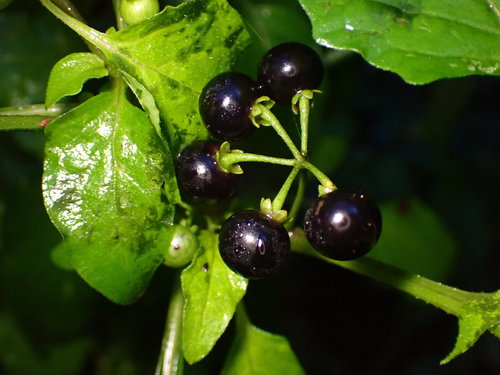
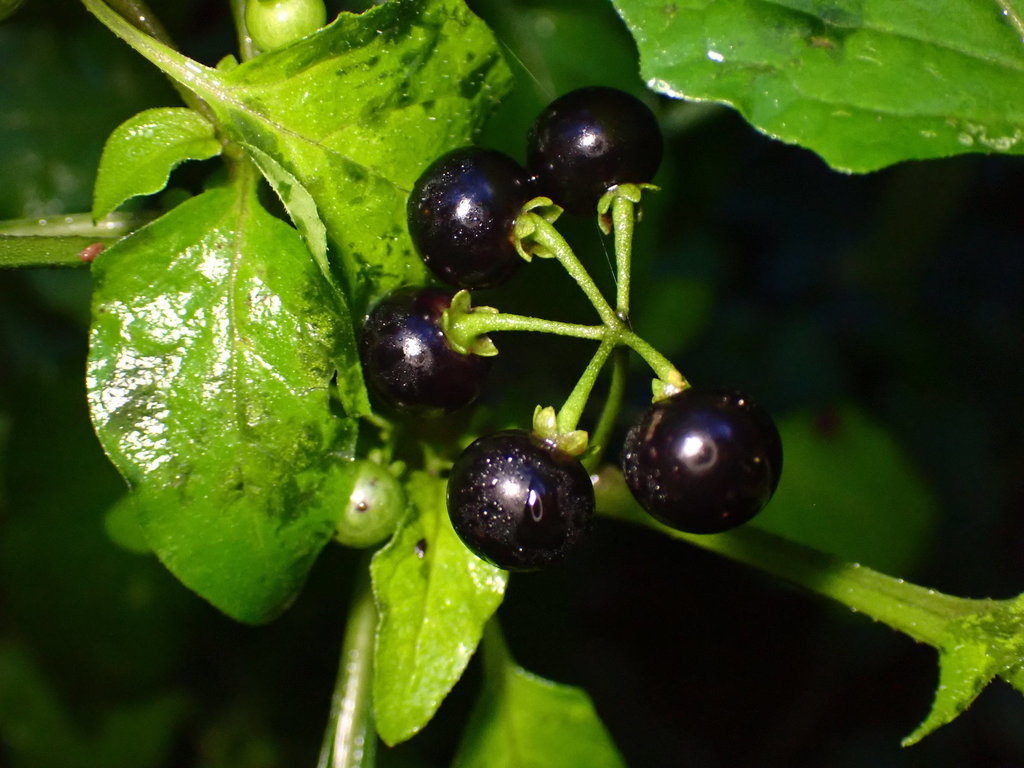
American black nightshade is a fast-growing annual or short-lived perennial herb recognized by its clusters of tiny, star-shaped white flowers with vibrant yellow center cones. After blooming, it produces smooth, glossy black berries that hang downward in umbrella-like clusters. Native across warm regions of the Americas, it thrives in disturbed soils, gardens, and forest edges, playing a key ecological role as a food source for birds.
FloweringToxicAnnual
 1 / 7
1 / 7—observations
—countries
—peak records
Least ConcernConservation statusIUCN Red List categoriesLCNTVUENCREWEXLeast ConcernRed List categories, explained →
Diet & prey
- Autotrophic (Photosynthetic)
Predators
- Frugivorous Birds
- Herbivorous Insects
ThreatsHerbicide application, intensive agricultural weeding
HabitatsDisturbed ground, fields, forest edges, garden margins, roadsides
Life span1–2 years
Classification
- OrderSolanales
- FamilySolanaceae
- GenusSolanum
- SpeciesSolanum americanum
Range data is not available yet.
Interaction riskHigh
- Low
- Moderate
- High
- Very high
- Why interaction risk is high
- Unripe berries and foliage contain toxic alkaloids; wild berries also have dangerous look-alikes.
- Why it is dangerous
- Contains toxic steroidal glycoalkaloids including solanine, causing gastrointestinal upset, vomiting, and neurological disturbances if ingested.
- How to recognize a risky encounter
- Recognized by small white five-lobed star flowers with yellow central cones and umbrella-like clusters of glossy black berries.
- What to do
- Do not eat any plant parts; wear gloves when pulling plants and keep grazing pets away.
Responsible observation
- Observation: Look for the drooping umbrella-like clusters of shiny black berries and tiny white blooms.
- Gardening: Pull or contain plants if pets or small children frequent the garden space.
- Identification: Distinguish from true deadly nightshade by its clustered drooping berries and star blooms.
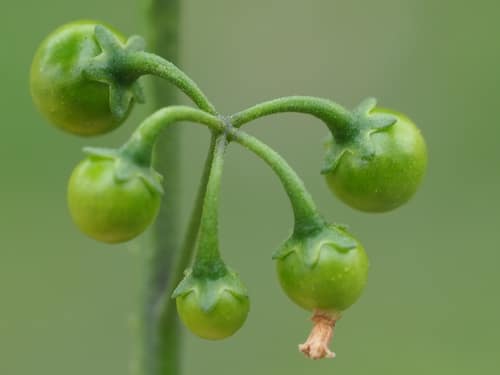
Close Relative no rights reserved, uploaded by 葉子 · cc0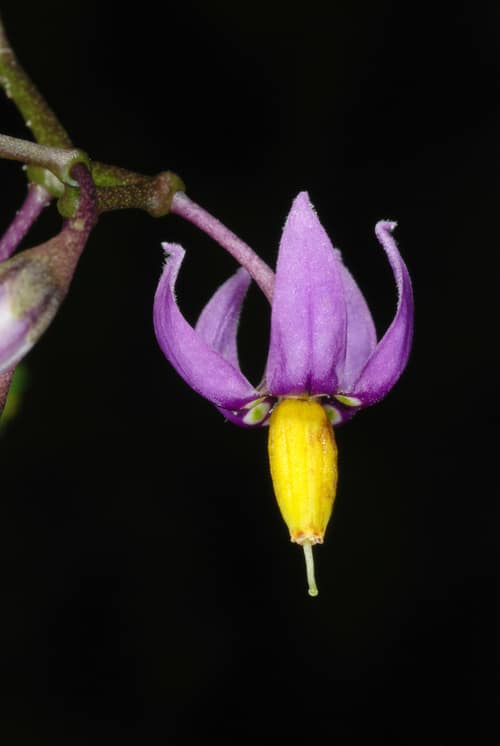
Close Relative (c) Douglas Goldman, some rights reserved (CC BY-SA), uploaded by Douglas Goldman · cc-by-sa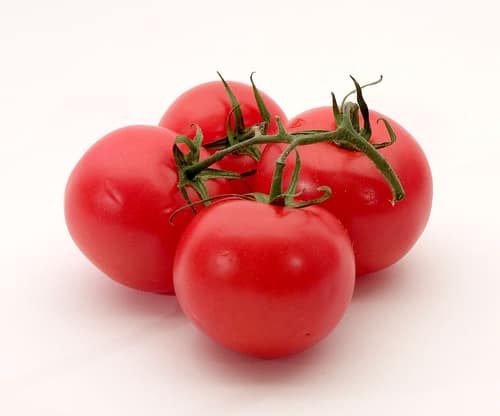
Cultivated Relative Softeis / CC BY-SA 3.0 · cc-by-sa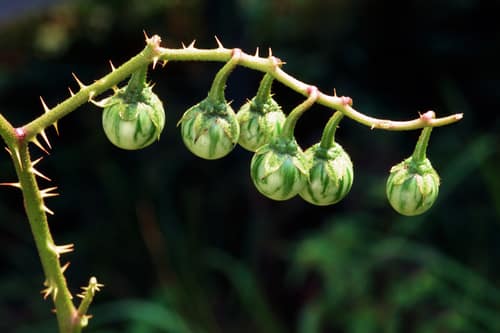
Close Relative (c) Ted Bodner, Southern Weed Science Society, Bugwood.org, some rights reserved (CC BY) · cc-by
Help improve the field guideSomething wrong?
Checking your Fauna account…Report a name, category, or profile issue for review.