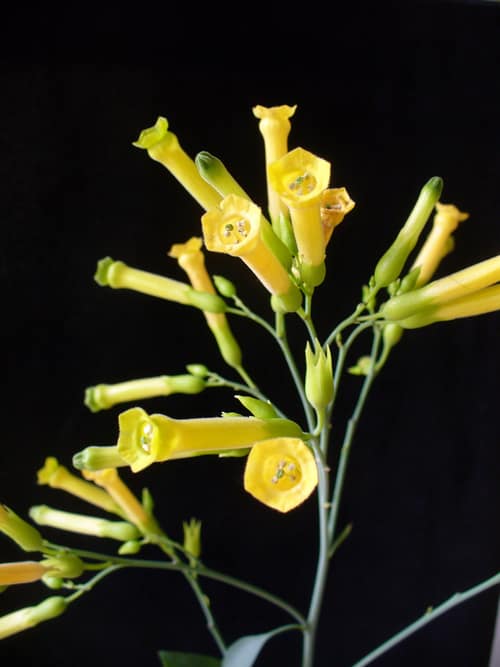
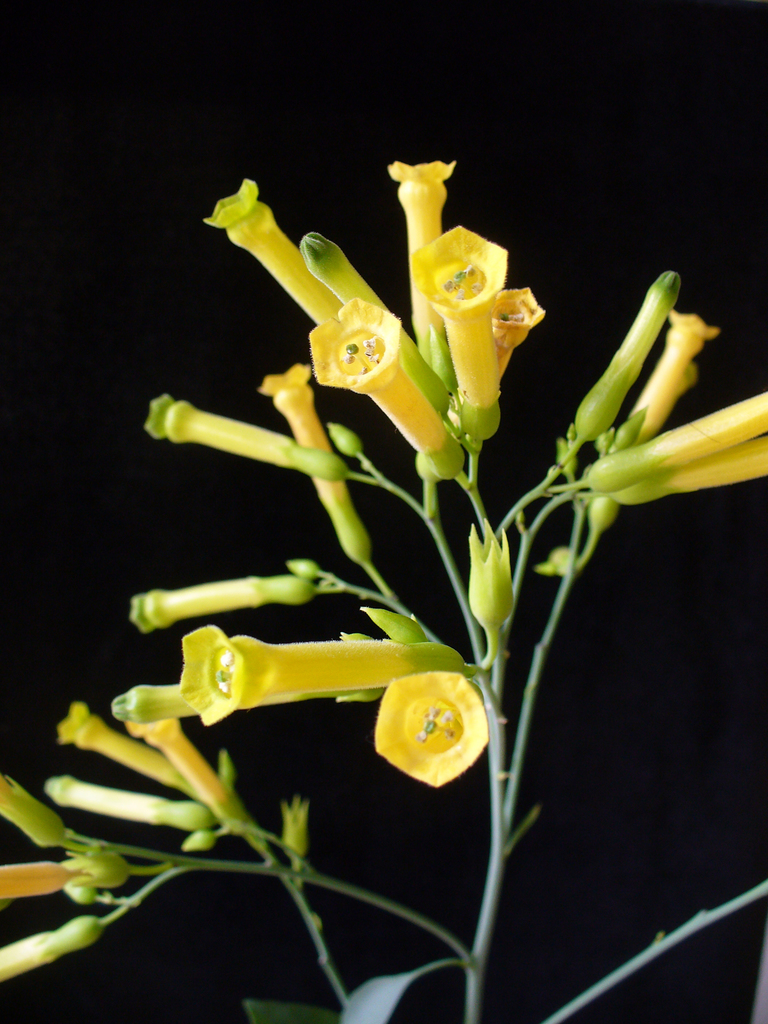
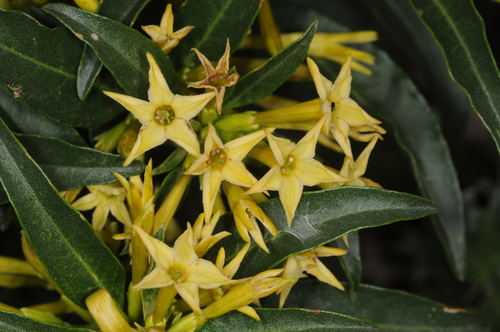
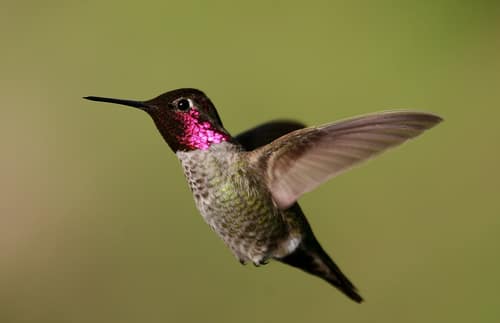
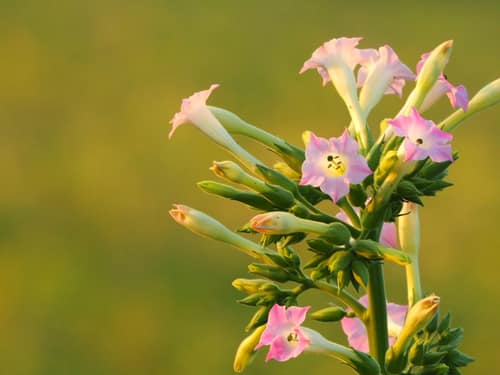
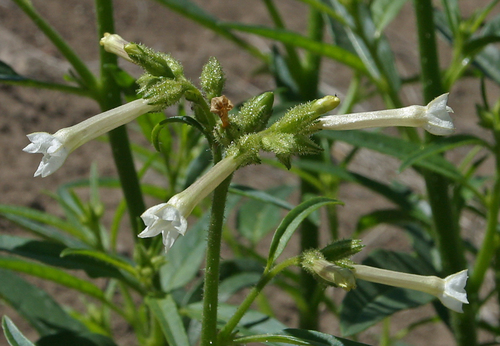
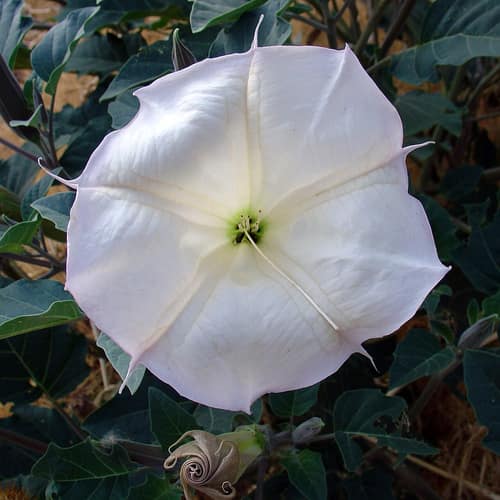
Tree tobacco is a fast-growing, evergreen shrub or small tree native to South America that has readily naturalized across warm arid and Mediterranean regions worldwide. Unlike cultivated tobacco, its glaucous blue-green leaves are smooth and hairless rather than sticky, held on distinct stalks along brittle woody stems. Clusters of slender, tubular yellow flowers bloom year-round in frost-free climates, attracting hummingbirds and long-tongued bees that probe deep into the corollas for nectar.
ThreatsTargeted weed eradication, mechanical clearing, and severe hard freezes
HabitatsDisturbed roadsides, riverbanks, arid washes, and vacant urban lots
Life span5–10 years
Classification
OrderSolanales
FamilySolanaceae
GenusNicotiana
SpeciesNicotiana glauca
Range & activity
Range data is not available yet.
Safe observation
Interaction riskHigh
Low
Moderate
High
Very high
Why interaction risk is high
Contains lethal levels of anabasine; never ingest any part of the plant.
Why it is dangerous
All plant tissues contain concentrated anabasine, an alkaloid closely related to nicotine that causes rapid neuromuscular blockage, severe vomiting, respiratory failure, and death in humans and livestock.
How to recognize a risky encounter
Recognized by its glaucous, powdery blue-green leaves on petioles, loose sprays of tubular bright yellow flowers, and woody upright habit.
What to do
Do not harvest, chew, or steep any portion of the plant, and wash skin thoroughly if sap contacts bare hands during yard clearing.
Responsible observation
Safe Observation: Admire the vibrant tubular flowers from a distance without picking leaves or flowers.
Pet Safety: Keep grazing pets and livestock away from stands, as dried or wilted foliage remains dangerously toxic.