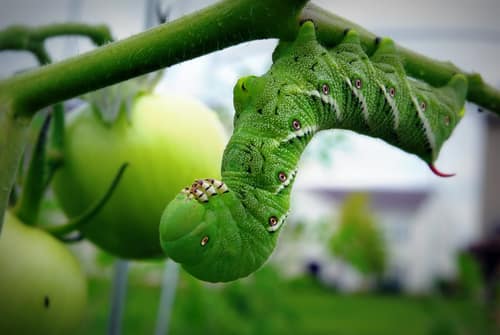
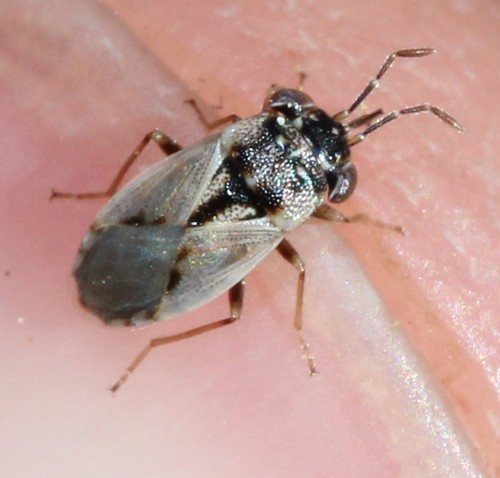
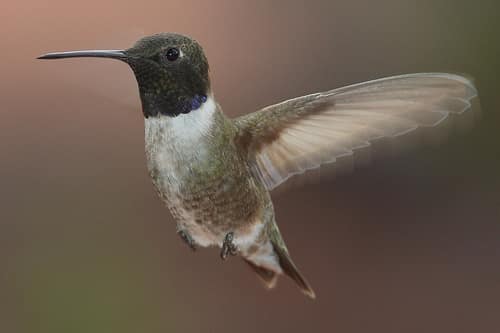
Coyote tobacco is a resilient annual herb that germinates abundantly across arid landscapes following wildfires, triggered by chemical compounds present in smoke. When attacked by chewing caterpillars, it mounts sophisticated defenses by concentrating nicotine in its tissues and releasing volatile aromas that summon predatory insects to devour the pests. Under heavy herbivore pressure, it can even alter its flowering schedule from dusk to dawn, switching its primary pollinators from night-flying hawkmoths to morning hummingbirds.
ThreatsDisruption of natural fire regimes, invasive cheatgrass competition, and herbicide application
HabitatsSagebrush steppe, dry washes, disturbed roadsides, and post-fire scrublands
Life span1 growing season (annual)
Classification
OrderSolanales
FamilySolanaceae
GenusNicotiana
SpeciesNicotiana attenuata
Range & activity
Range data is not available yet.
Safe observation
Interaction riskHigh
Low
Moderate
High
Very high
Why interaction risk is high
All tissues contain toxic pyridine alkaloids including nicotine; keep away from children and pets.
Why it is dangerous
Contains neurotoxic alkaloids including nicotine and nornicotine, which cause rapid heart rate, severe vomiting, dizziness, and neuromuscular failure if ingested.
How to recognize a risky encounter
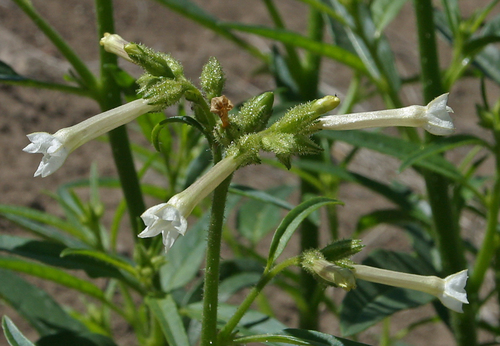
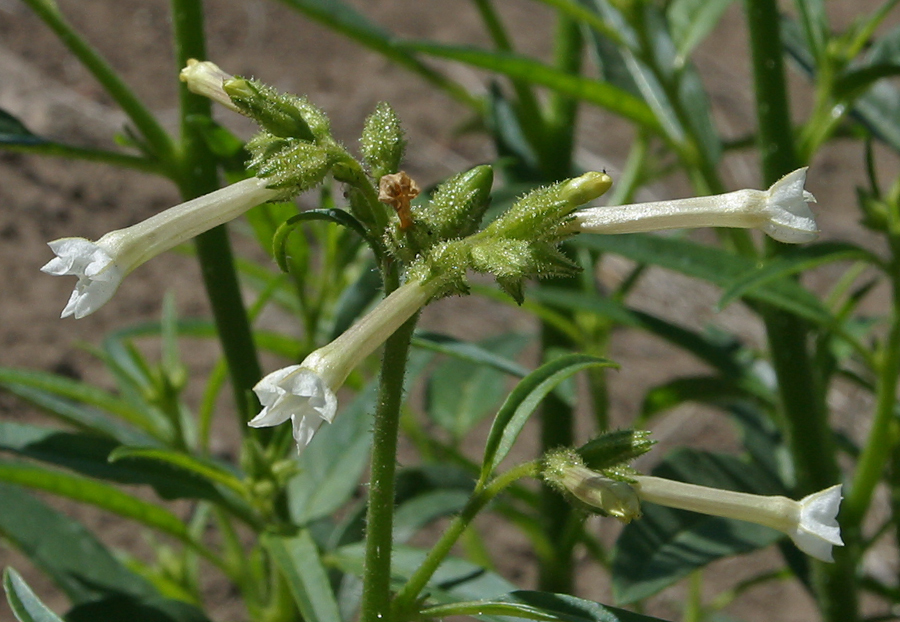
Look for sticky glandular stems, lance-shaped leaves, and slender white-to-pink tubular flowers opening at dusk.
What to do
Do not chew or consume any plant part; wash skin thoroughly if sticky glandular sap contacts bare hands.
Responsible observation
Timing Blooms: Check plants in the late evening or early morning when the tubular flowers open.
Observing Defenses: Inspect stems with a hand lens to see sticky glandular hairs that deter small pests.
Post-Fire Scouting: Search burned sagebrush or desert hillsides during the first spring after a fire.