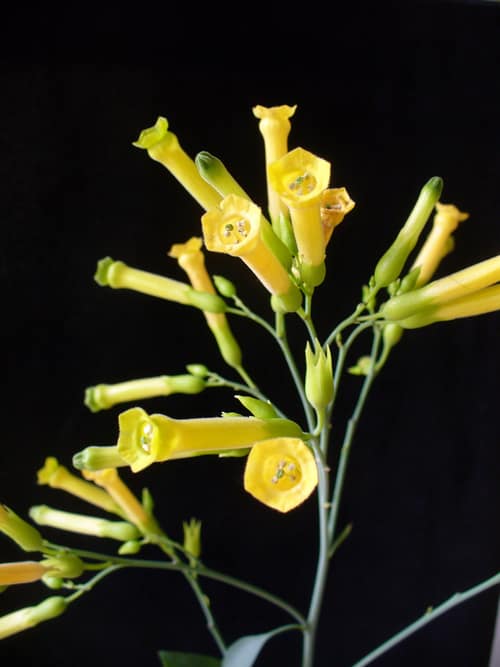
Also known as Sweet Tobacco, Winged Tobacco, Persian Tobacco, Tanbaku
Jasmine tobacco opens trumpet-shaped, star-faced flowers that unfurl late in the afternoon and release an intense, sweet fragrance throughout the night. This nocturnal scent plume is precisely calibrated to attract long-tongued hawk moths, its primary pollinators in both wild and cultivated settings. While widely planted in ornamental gardens, every part of the plant contains potent defensive alkaloids that protect its foliage against most generalist herbivores.
Not EvaluatedConservation statusIUCN Red List categoriesLCNTVUENCREWEXNot Evaluated — not placed on the risk ladderRed List categories, explained →
Key facts
Diet & preyAutotrophic (photosynthesis)
Predators
Tobacco Hornworm
Tomato Hornworm
Green Peach Aphid
ThreatsHabitat loss in native South American range, weed management, and herbicide use
HabitatsGrasslands, forest edges, riverbanks, roadsides, and cultivated garden borders
Life spanTender perennial often grown as an annual
Classification
OrderSolanales
FamilySolanaceae
GenusNicotiana
SpeciesNicotiana alata
Range & activity
Range data is not available yet.
Safe observation
Interaction riskHigh
Low
Moderate
High
Very high
Why interaction risk is high
Contains toxic alkaloids including nicotine; keep away from pets and do not ingest any plant parts.
Why it is dangerous
Leaves and stems contain toxic pyridine alkaloids such as nicotine and anabasine, which can cause severe nausea, elevated heart rate, muscle tremors, and collapse if ingested.
How to recognize a risky encounter
Look for sticky, glandular-hairy foliage and upward-pointing tubular flowers with spreading, five-lobed starry petals.
What to do
Wash hands thoroughly after pruning sticky stems, and keep plant debris out of reach of domestic dogs and cats.
Responsible observation
Fragrance Timing: Visit planting beds at dusk or night to experience the peak jasmine-like scent.
Pollinator Watching: Bring a soft red light after dark to spot feeding hawk moths without startling them.

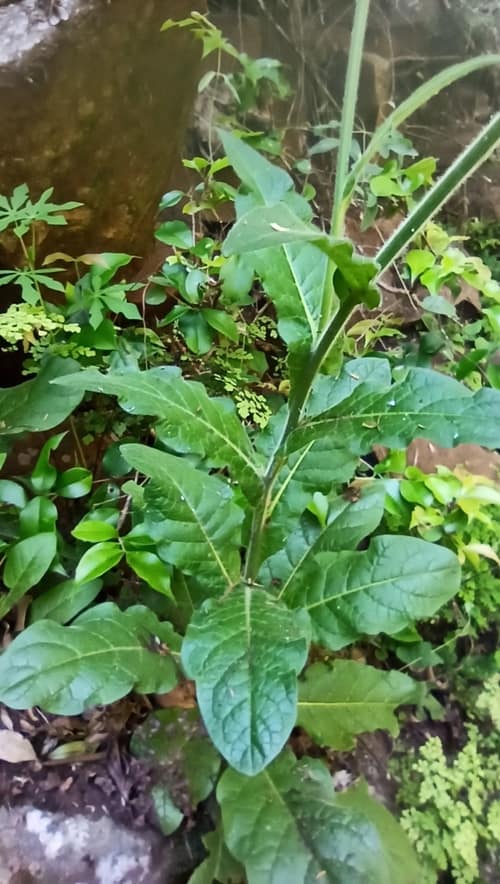
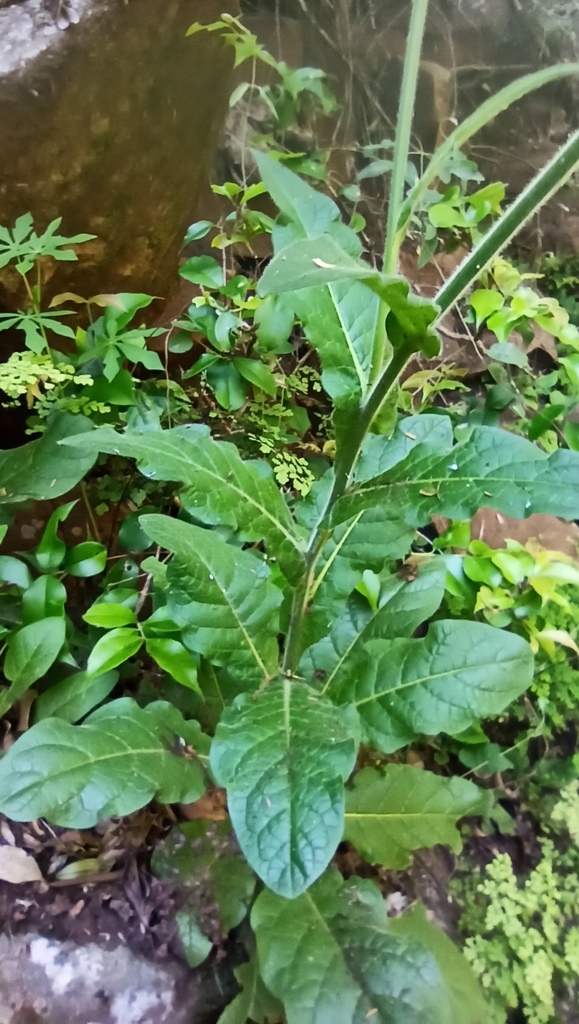
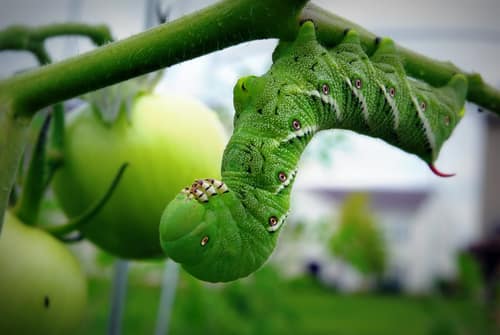
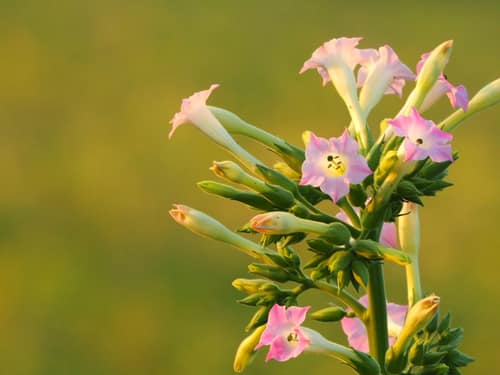
 Image unavailable