
Plant · GBIF taxon 2927505
Salt Flats Dodder
Cuscuta salinaAlso known as Salt Marsh Dodder, Pacific Dodder
Salt flats dodder weaves bright orange, thread-like stems into dense tangled mats over salt marsh vegetation. Lacking chlorophyll and true roots, this annual parasite drives sinker-like haustoria directly into host plants like pickleweed to drain water, sugars, and nutrients. Tiny clusters of whitish bell-shaped flowers bloom along the bright stems from summer into autumn across coastal and inland saline wetlands.
ParasiticWetlandNative
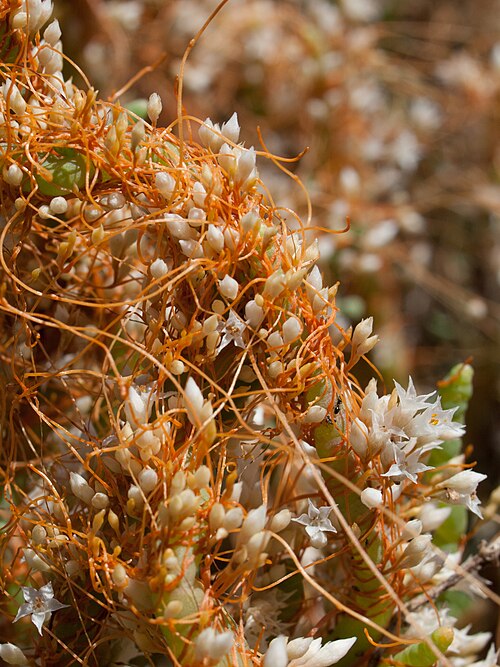
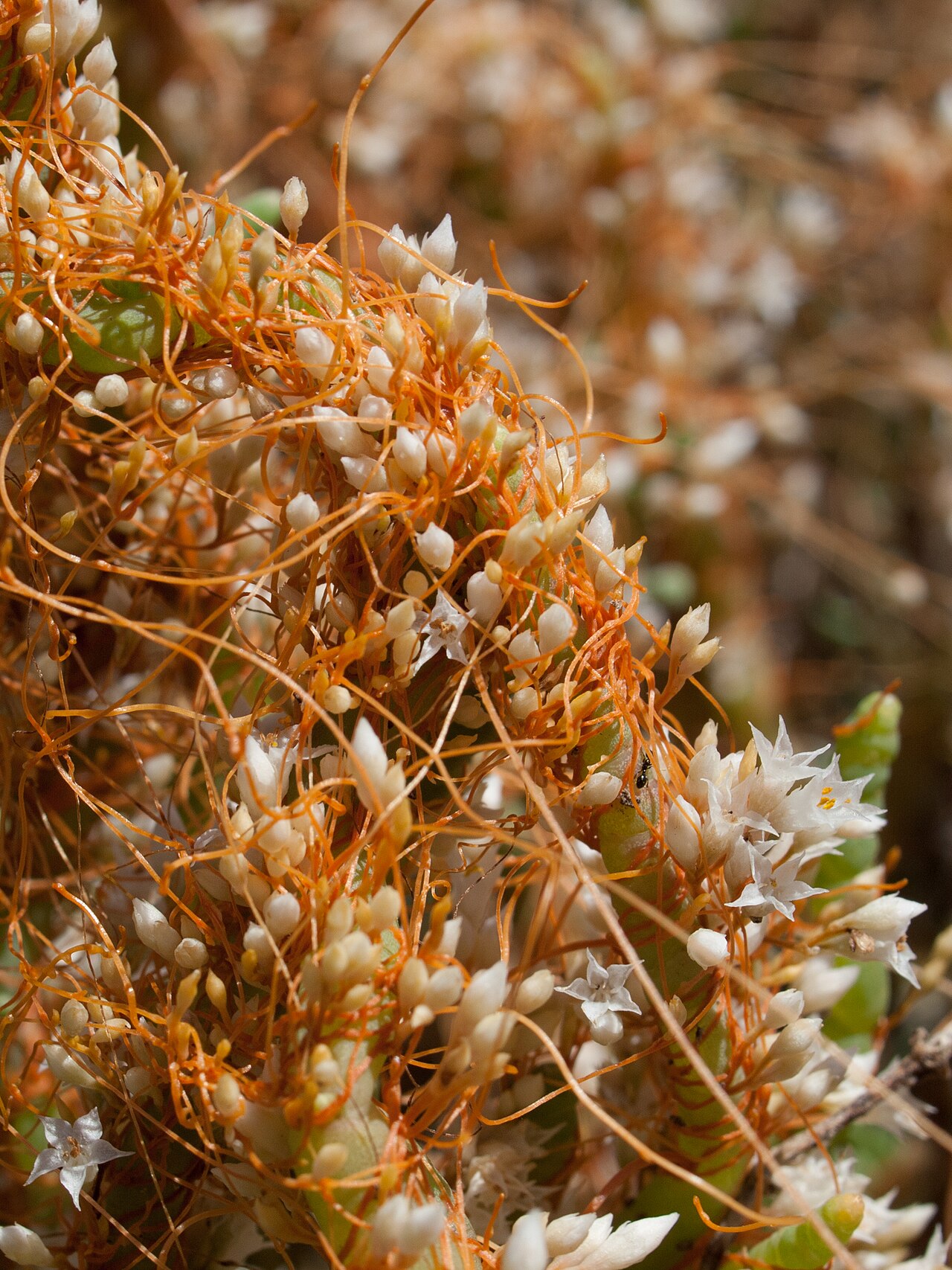
—observations
—countries
—peak records
Least ConcernConservation statusIUCN Red List categoriesLCNTVUENCREWEXLeast ConcernRed List categories, explained →
Diet & prey
- Pickleweed (Salicornia pacifica)
- Fleshy Jaumea (Jaumea carnosa)
- Saltgrass (Distichlis spicata)
Predators
- Insect larvae
- Gall midges
ThreatsCoastal wetland development, hydrological alteration, invasive plant competition
HabitatsCoastal salt marshes, tidal wetlands, vernal pools, saline flats
Life spanAnnual
Classification
- FamilyConvolvulaceae
- SpeciesCuscuta salina
Range data is not available yet.
Interaction riskLow
- Low
- Moderate
- High
- Very high
- Why interaction risk is low
- Safe to observe at a normal distance.
Responsible observation
- Locate Hosts: Look for vibrant orange, stringy mats draped over green salt marsh plants like pickleweed.
- Inspect Closely: Observe where the tiny white bell-shaped flowers cluster along the leafless stems during summer.
- Protect Marshes: Observe from boardwalks and designated trails to protect sensitive wetland soils.
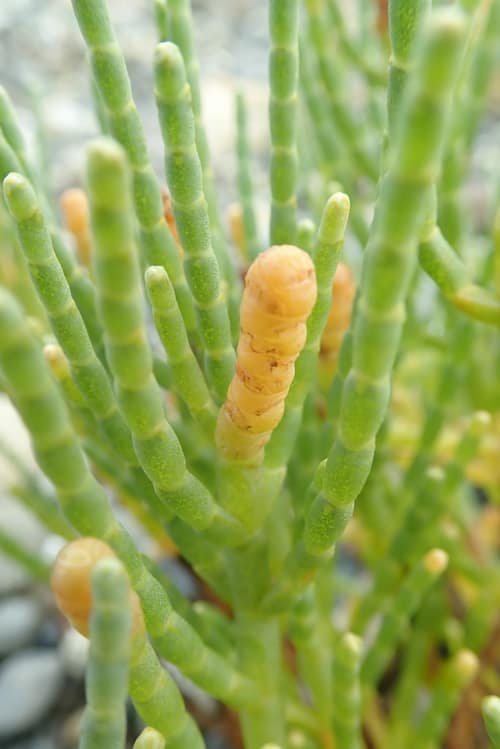
Host Plant no rights reserved · cc0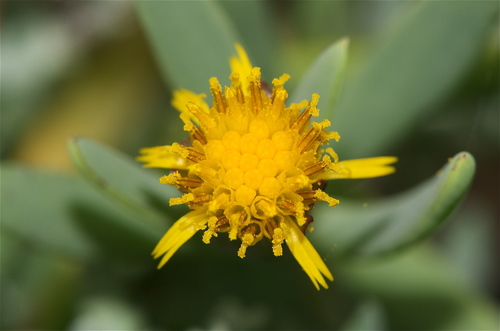
Host Plant (c) Jerry Kirkhart, some rights reserved (CC BY) · cc-by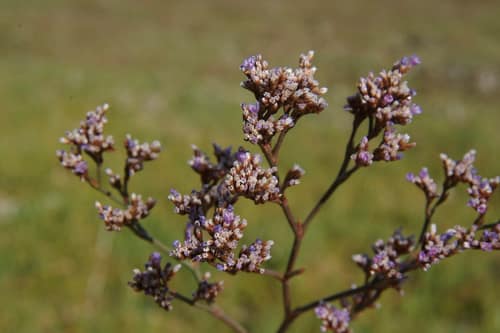
Frequent Companion (c) Jerry Kirkhart, some rights reserved (CC BY) · cc-by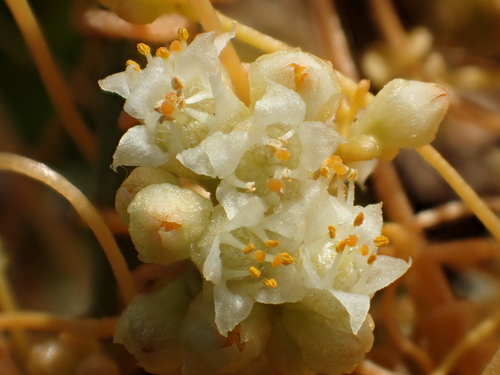
Close Relative no rights reserved, uploaded by 葉子 · cc0
Help improve the field guideSomething wrong?
Checking your Fauna account…Report a name, category, or profile issue for review.