
Plant
Narrowleaf Mountainmint
Pycnanthemum tenuifoliumAlso known as Slender Mountainmint, Common Horsemint, Virginia Thyme
Narrowleaf mountainmint forms fine-textured, bushy clumps of needle-like foliage topped with flat clusters of tiny, pink-spotted white blossoms from mid to late summer. Crushing the slender leaves releases a potent, clean scent reminiscent of spearmint and thyme. The plant plays a vital ecological role as one of North America's premier nectar sources, attracting scores of native bees, beneficial wasps, and butterflies.
AromaticPollinator MagnetPerennial
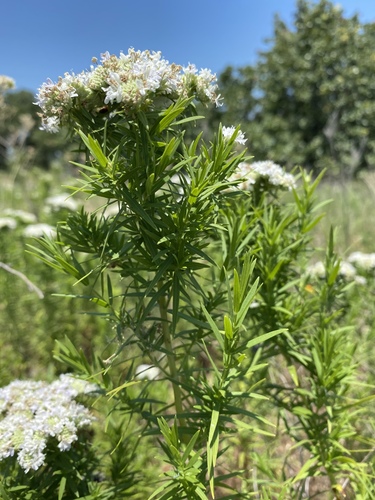
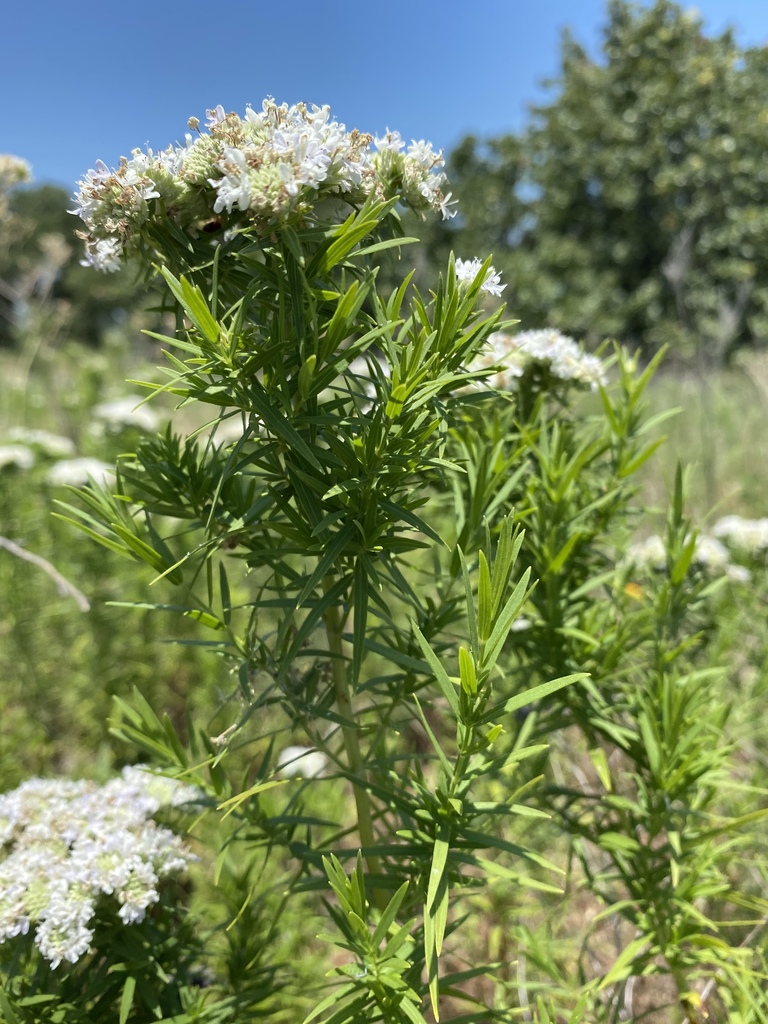
—observations
—countries
—peak records
Least ConcernConservation statusIUCN Red List categoriesLCNTVUENCREWEXLeast ConcernRed List categories, explained →
Diet & preyAutotrophic
Predators
- Herbivorous insects
- Grasshoppers
ThreatsHabitat loss, invasive plant competition
HabitatsDry open woods, prairies, fields, pastures, rocky slopes, roadside banks
Life spanPerennial (5–10+ years via creeping rhizomes)
Classification
- OrderLamiales
- FamilyLamiaceae
- GenusPycnanthemum
- SpeciesPycnanthemum tenuifolium
Range data is not available yet.
Interaction riskLow
- Low
- Moderate
- High
- Very high
- Why interaction risk is low
- Safe to observe at a normal distance.
Responsible observation
- Scent Test: Gently crush a leaf between your fingers to release a strong, fresh mint aroma.
- Pollinator Watching: Visit sunny stands in midsummer to spot dozens of native bee and wasp species.
- Garden Planting: Add to sunny meadow gardens to support local beneficial insects.
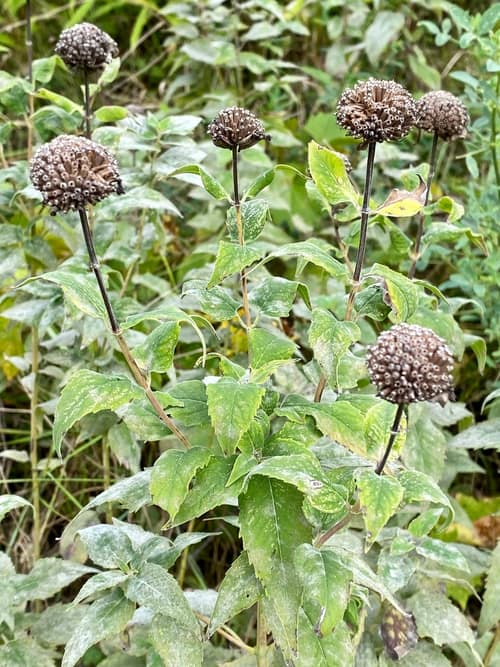
Pollinator Companion (c) tzeducation, some rights reserved (CC BY), uploaded by tzeducation · cc-by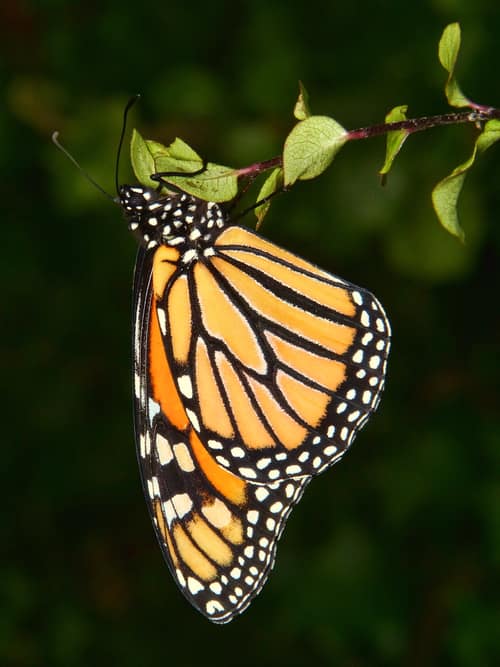
Frequent Visitor Sid Mosdell from New Zealand / CC BY 2.0 · cc-by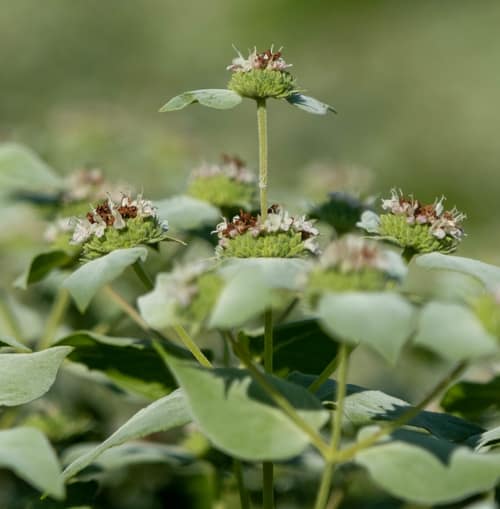
Close Relative no rights reserved, uploaded by Mirko Schoenitz · cc0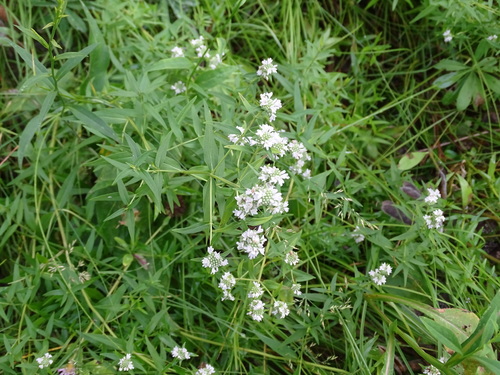
Close Relative no rights reserved · cc0
Help improve the field guideSomething wrong?
Checking your Fauna account…Report a name, category, or profile issue for review.