
Plant · GBIF taxon 2927100
Holy Basil
Ocimum tenuiflorumAlso known as Tulsi, Tulasi, Sacred Basil
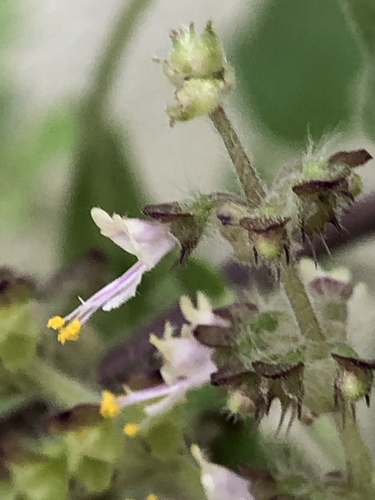
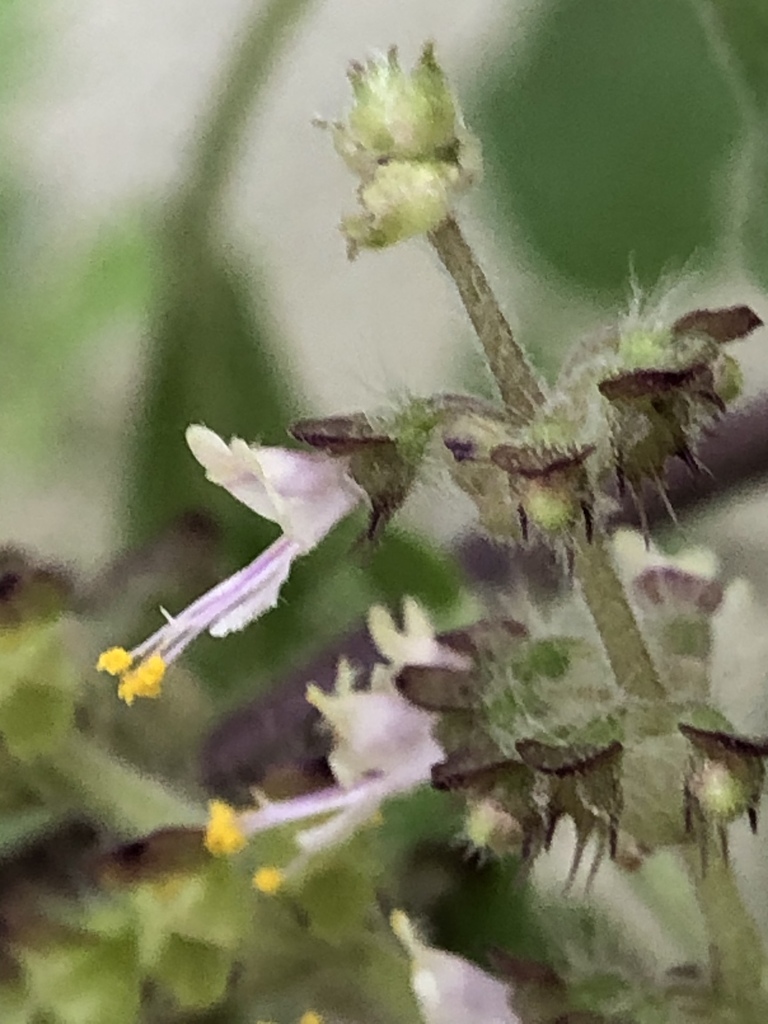
Holy basil stems branch profusely, bearing lightly hairy green or purplish leaves that release a sharp, clove-and-anise fragrance when brushed. Small purple or white flowers cluster along erect terminal spikes, drawing bees and small butterflies throughout the warm months. Deeply rooted in South Asian culture and traditional medicine, this adaptable herb thrives in disturbed tropical soils and sun-drenched gardens worldwide.
AromaticMedicinalFlowering
—observations
—countries
—peak records
Not EvaluatedConservation statusIUCN Red List categoriesLCNTVUENCREWEXNot Evaluated — not placed on the risk ladderRed List categories, explained →
Diet & prey
- Autotrophic (Photosynthetic)
Predators
- Aphids
- Spider Mites
- Snails
ThreatsHabitat loss in native range, though globally secure due to widespread cultivation
HabitatsTropical forests, disturbed areas, cultivated gardens, agricultural fields
Life span1–3 years (perennial in tropics, annual in temperate regions)
Size / weightNot available
Classification
- OrderLamiales
- FamilyLamiaceae
- GenusOcimum
- SpeciesOcimum tenuiflorum
Range data is not available yet.
Interaction riskLow
- Low
- Moderate
- High
- Very high
- Why interaction risk is low
- Safe to observe at a normal distance.
Responsible observation
- Identifying scent: Gently brush the leaves to release its distinct clove-like aroma.
- Spotting flowers: Look for purplish or white blossoms held on erect terminal spikes.
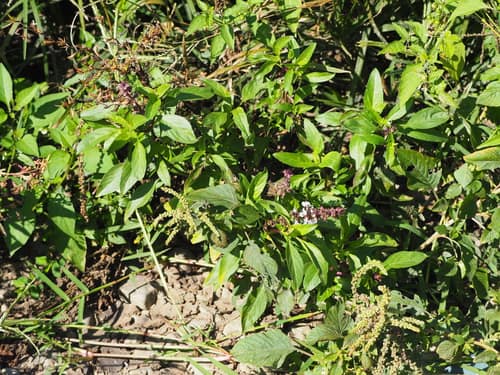
Close Relative no rights reserved, uploaded by 葉子 · cc0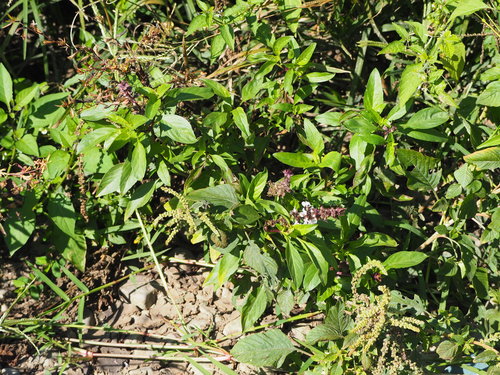
Close Relative no rights reserved, uploaded by 葉子 · cc0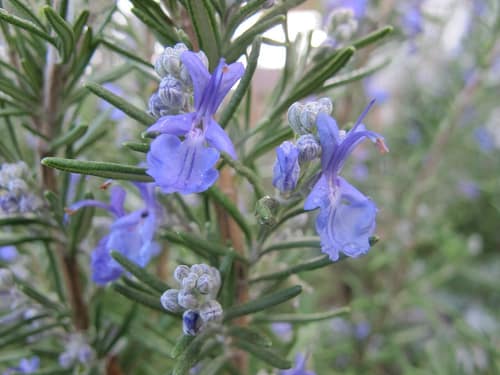
Family Member Margalob / CC BY-SA 4.0 · cc-by-sa
Help improve the field guideSomething wrong?
Checking your Fauna account…Report a name, category, or profile issue for review.