
Plant · GBIF taxon 2927045
Baby Sage
Salvia microphyllaAlso known as Graham Sage, Blackcurrant Sage, Mountain Myrtle
Baby sage forms bushy, evergreen mounds clothed in tiny oval leaves that emit a distinct blackcurrant scent when crushed. Vibrant crimson to magenta flowers bloom profusely from late spring through autumn, offering a rich nectar source for hummingbirds and native bees. Native to the mountain slopes of Arizona and Mexico, it adapts remarkably well to sunny, drought-prone landscapes.
AromaticFloweringEvergreen
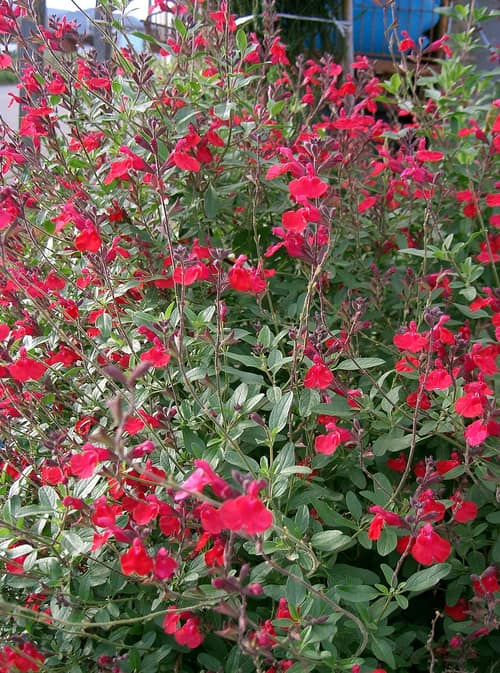
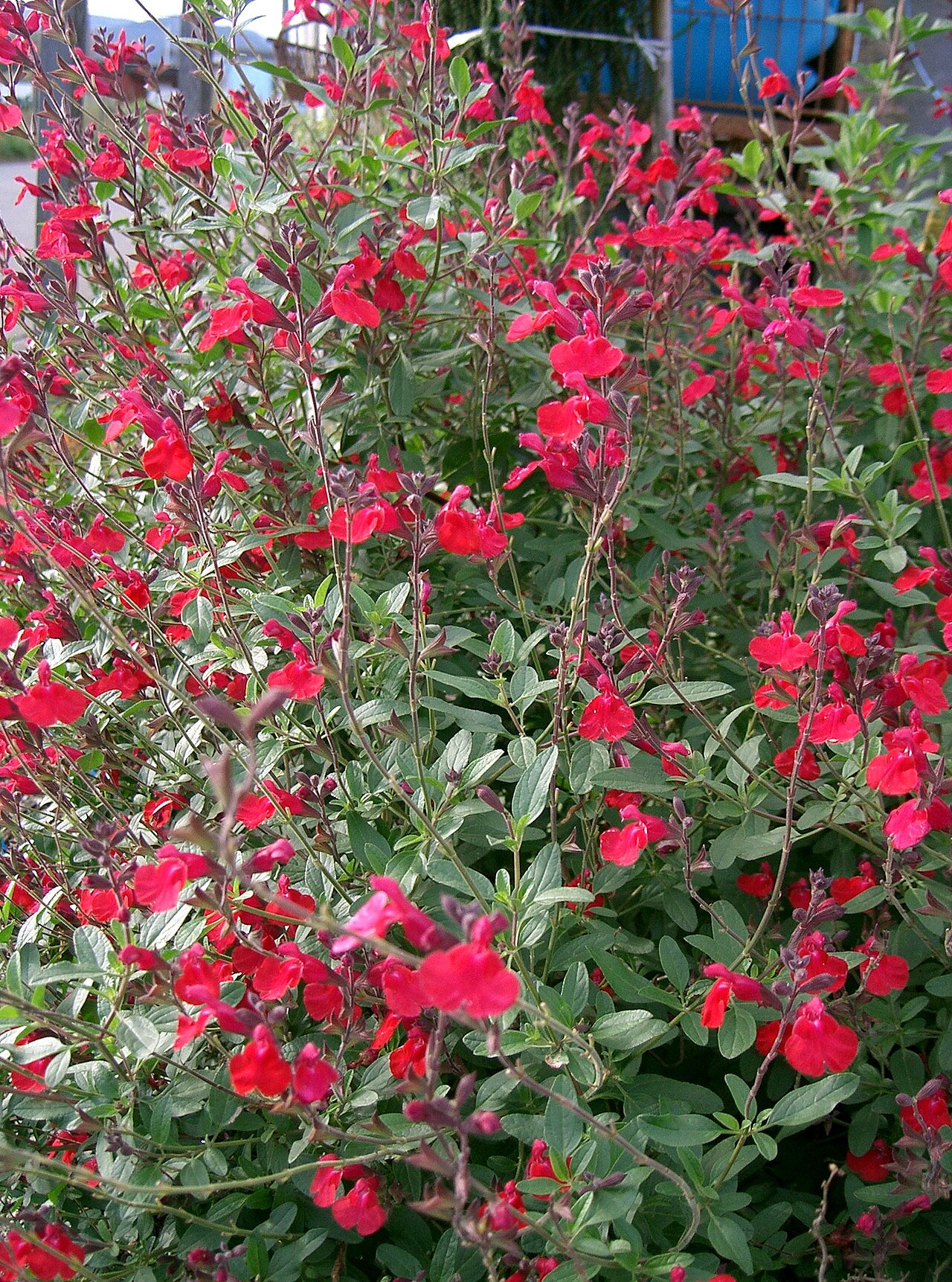
—observations
—countries
—peak records
Not EvaluatedConservation statusIUCN Red List categoriesLCNTVUENCREWEXNot Evaluated — not placed on the risk ladderRed List categories, explained →
Diet & prey
- Sunlight
- Water
- Soil nutrients
Predators
- Aphids
- Spider mites
- Slugs
ThreatsSevere freezing, urban development
HabitatsMontane oak-pine woodlands, rocky slopes, brushy canyons
Life span10–15 years
Classification
- OrderLamiales
- FamilyLamiaceae
- GenusSalvia
- SpeciesSalvia microphylla
Range data is not available yet.
Interaction riskLow
- Low
- Moderate
- High
- Very high
- Why interaction risk is low
- Safe to observe at a normal distance.
Responsible observation
- Aroma Check: Rub a green leaf gently between your fingers to experience its blackcurrant fragrance.
- Pollinator Observing: Wait near blooming stems on warm afternoons to spot feeding hummingbirds.
- Garden Care: Plant in full sun with quick-draining soil to prevent root rot.
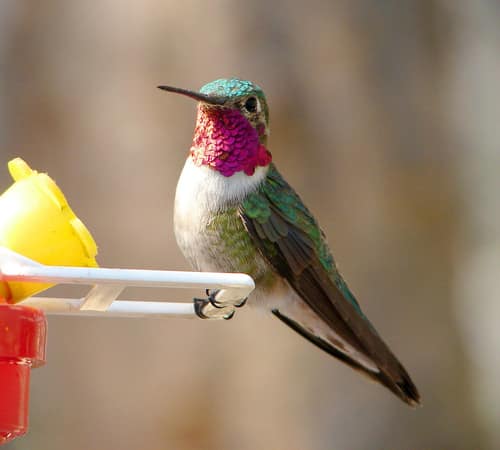
Pollinator Michelle Lynn Reynolds / CC BY-SA 3.0 · cc-by-sa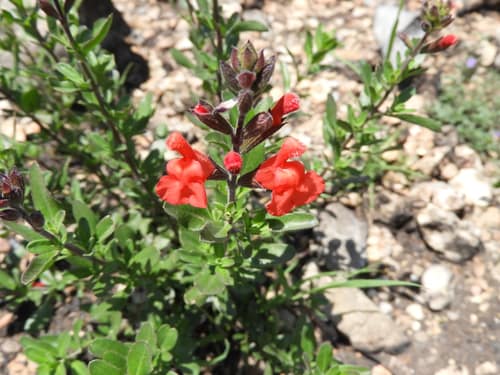
Close Relative (c) Leticia Jiménez Hernández, some rights reserved (CC BY-SA), uploaded by Leticia Jiménez Hernández · cc-by-sa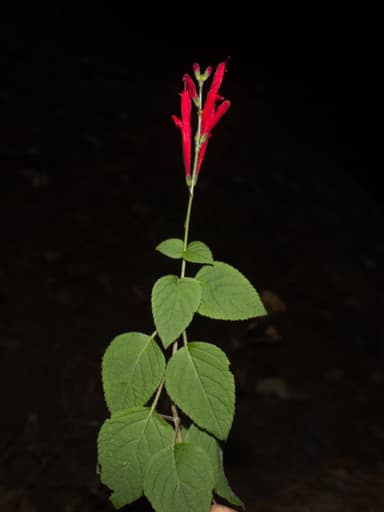
Close Relative (c) Ángela Patricia Rojas Cortés, some rights reserved (CC BY-SA), uploaded by Ángela Patricia Rojas Cortés · cc-by-sa
Help improve the field guideSomething wrong?
Checking your Fauna account…Report a name, category, or profile issue for review.