
Plant · GBIF taxon 2927004
Garden Sage
Salvia officinalisAlso known as Common Sage, Culinary Sage, Broadleaf Sage, Dalmatian Sage
Garden sage thrives in sunny, rocky soils across the northern Mediterranean where its woody stems form low evergreen thickets. Dense pairs of velvety, gray-green leaves release a strong camphoraceous scent when crushed, an adaptation that deters many browsing herbivores. Spikes of violet-blue flowers blanket mature bushes in late spring, providing an important early-season nectar source for native bees and pollinators.
AromaticPerennialPollinator Friendly
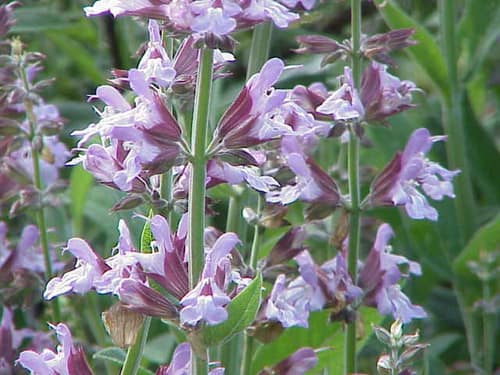
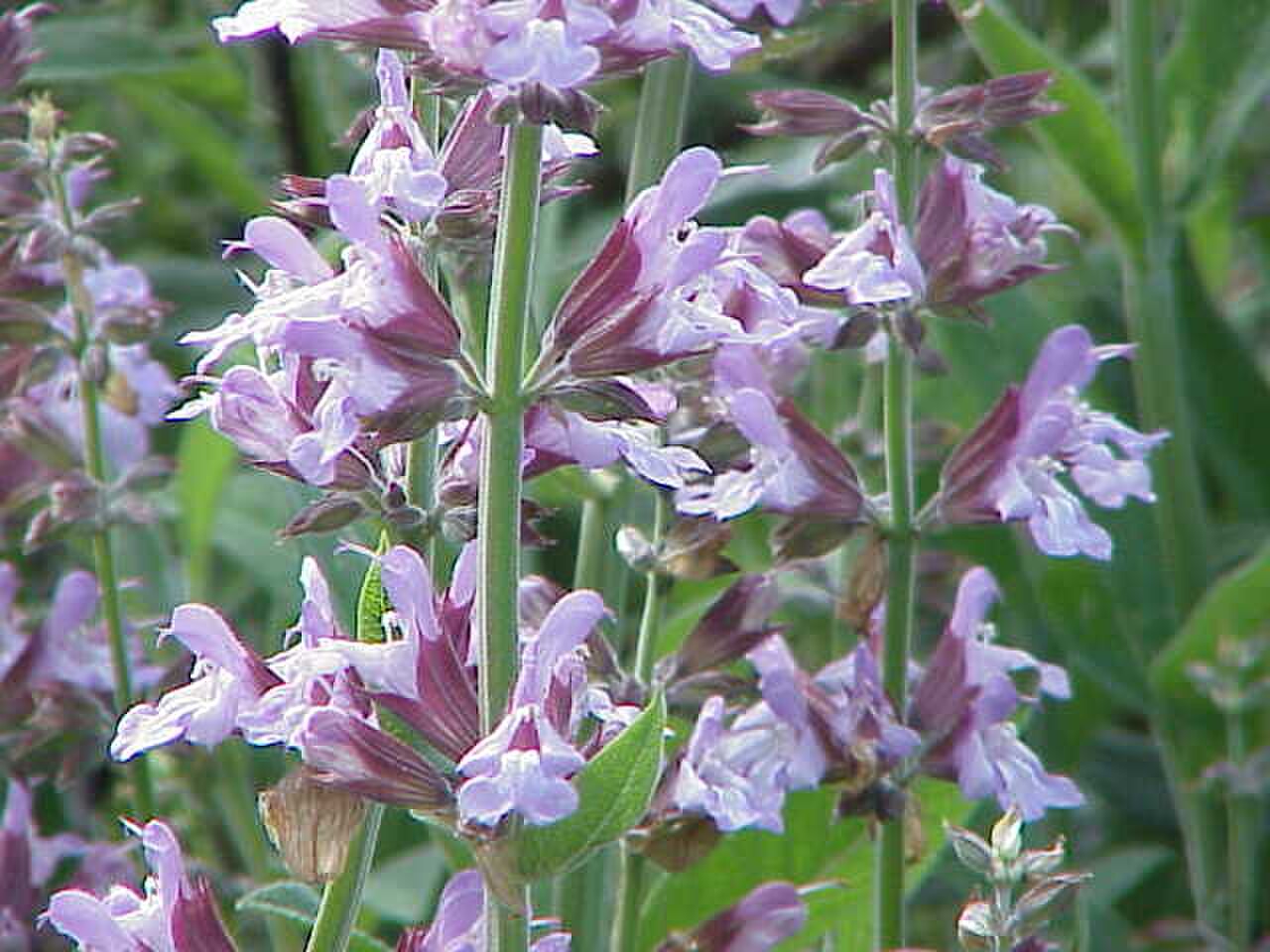
—observations
—countries
—peak records
Least ConcernConservation statusIUCN Red List categoriesLCNTVUENCREWEXLeast ConcernRed List categories, explained →
Diet & prey
- Autotrophic (photosynthesis)
Predators
- Slugs
- Spittlebugs
- Spider mites
ThreatsFungal root rot in waterlogged soil, extreme prolonged freezes
HabitatsMediterranean scrub, rocky hillsides, dry slopes, cultivated gardens
Life span5–10 years
Size / weightNot available
Classification
- OrderLamiales
- FamilyLamiaceae
- GenusSalvia
- SpeciesSalvia officinalis
Range data is not available yet.
Interaction riskLow
- Low
- Moderate
- High
- Very high
- Why interaction risk is low
- Safe to observe and touch in garden settings.
Responsible observation
- Observation: Touch leaves gently to experience the essential oil aroma without damaging foliage.
- Garden Care: Plant in full sun with gritty soil to mimic native Mediterranean conditions.
- Maintenance: Trim back lightly after summer bloom spikes fade to encourage compact growth.
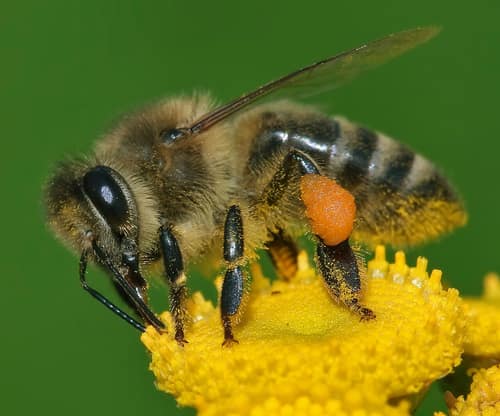
Pollinator Andreas Trepte / CC BY-SA 2.5 · cc-by-sa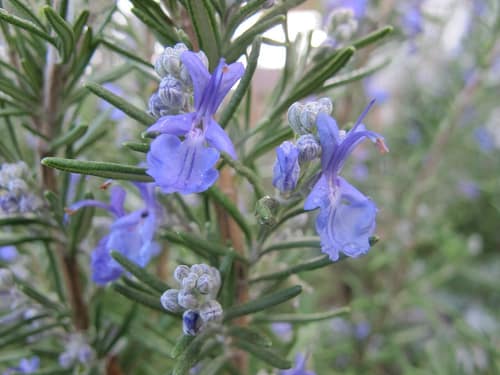
Close Relative Margalob / CC BY-SA 4.0 · cc-by-sa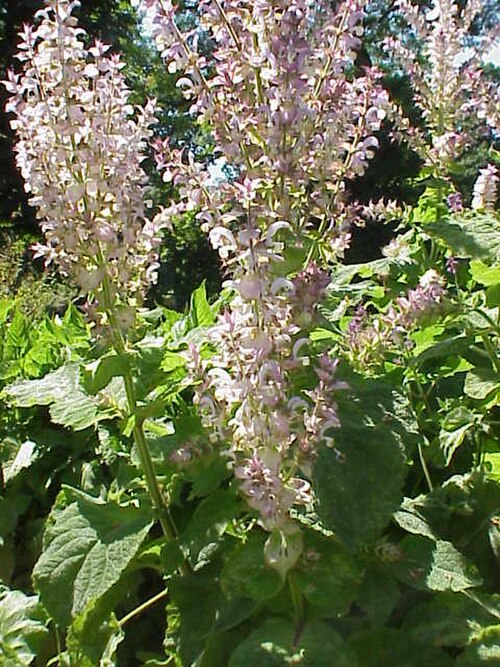
Close Relative Wikimedia Commons / CC BY-SA 3.0 · cc-by-sa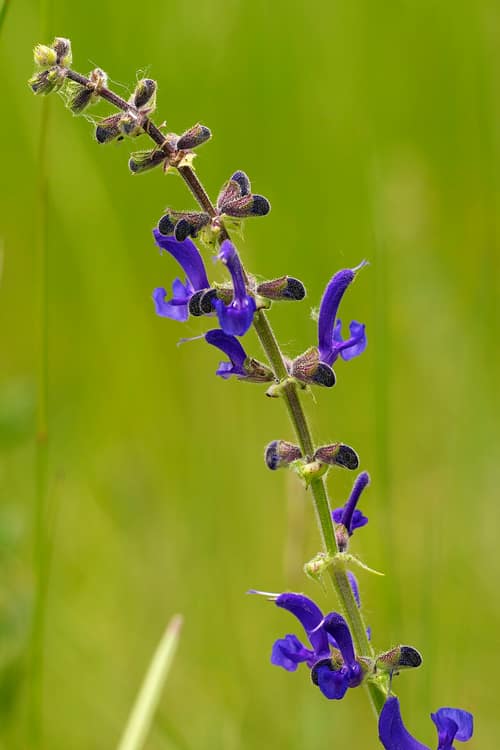
Close Relative Jörg Hempel / CC BY-SA 3.0 de · cc-by-sa
Help improve the field guideSomething wrong?
Checking your Fauna account…Report a name, category, or profile issue for review.