Also known as Wild Marjoram, Common Oregano, Pot Marjoram
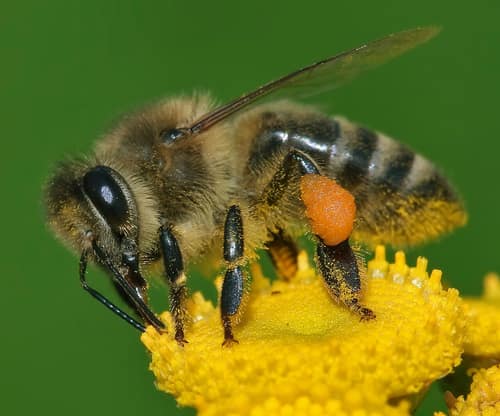
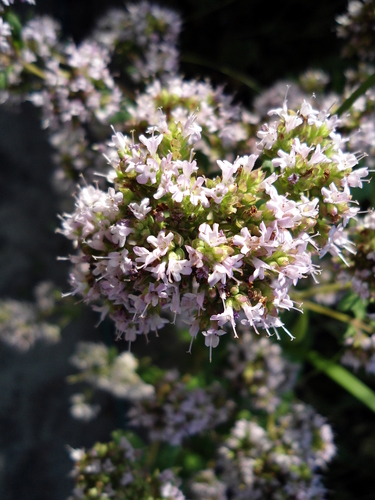
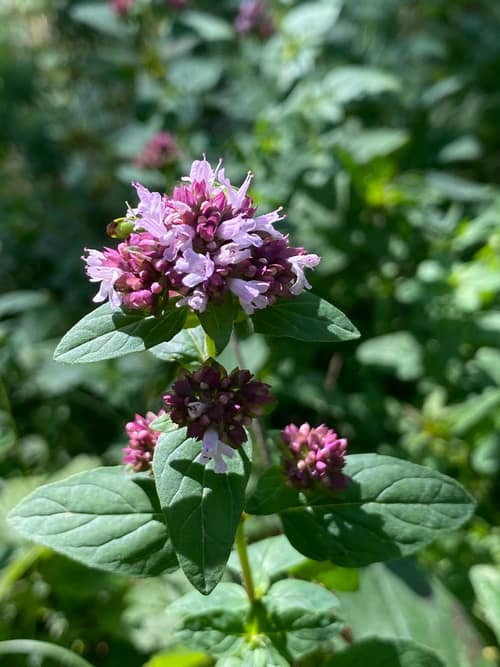
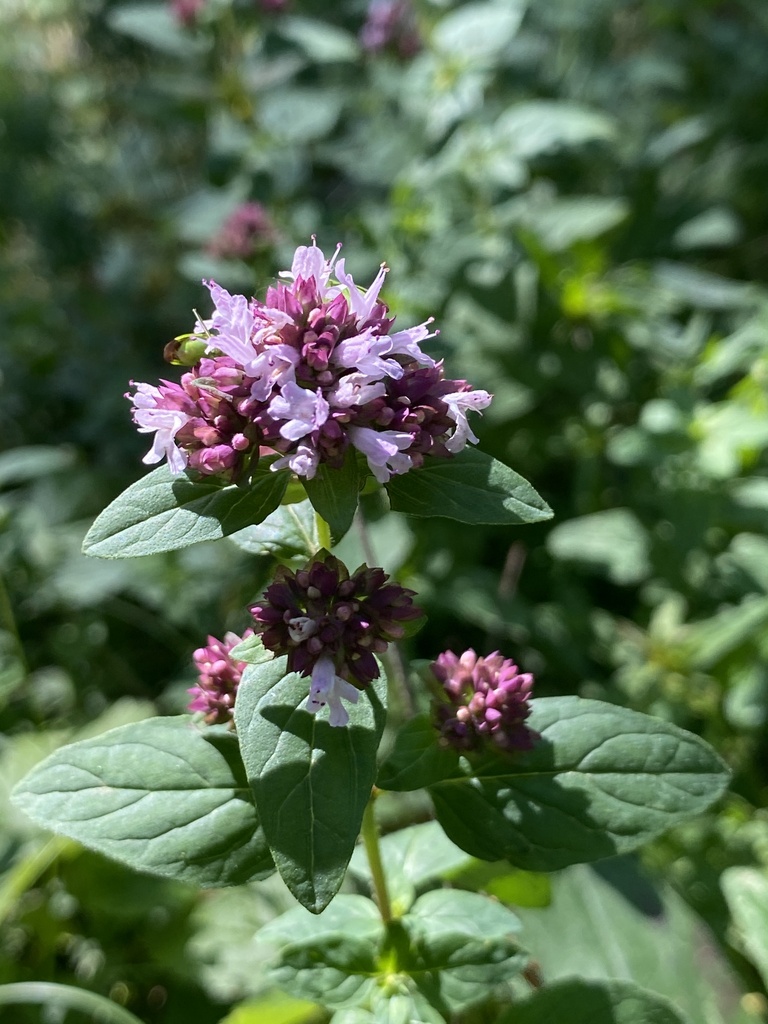
Wild marjoram spreads via woody rhizomes to form sprawling aromatic clumps adorned with dense clusters of purple, pink, or white blossoms throughout late summer. Leaves produce an abundance of volatile phenolic essential oils, primarily carvacrol and thymol, which deter grazing herbivores and fungal pathogens. In native scrublands and grasslands, its nectar-rich flower heads serve as critical feeding stations for diverse native bees, butterflies, and hoverflies.
ThreatsAgricultural intensification, habitat conversion, and overgrazing
HabitatsDry grasslands, rocky scrub, woodland edges, and roadsides
Life span5–10 years
Size / weightNot available
Classification
OrderLamiales
FamilyLamiaceae
GenusOriganum
SpeciesOriganum vulgare
Range & activity
Range data is not available yet.
Safe observation
Interaction riskHigh
Low
Moderate
High
Very high
Why interaction risk is high
Safe for humans, but essential oils are toxic to dogs and cats if ingested in quantity.
Why it is dangerous
Concentrated aromatic oils such as carvacrol and thymol cause digestive upset, vomiting, and shallow breathing in domestic pets if ingested in significant volume.
How to recognize a risky encounter
Recognize the square reddish stems, paired oval leaves with gland dots, and clusters of tiny pale purple flowers.
What to do
Plant in areas inaccessible to grazing pets, and seek veterinary care if dogs or cats consume large quantities.
Responsible observation
Foliage Check: Gently crush a leaf between your fingertips to release the unmistakable pungent, warm herbal aroma.
Pollinator Spotting: Watch the blooming flower spikes on warm afternoons to observe dozens of visiting bee and butterfly species.

 1 / 7
1 / 7