
Plant
Downy Pagoda Plant
Blephilia ciliataAlso known as Downy Wood Mint, Sunny Woodmint, Ohio Horsemint
Downy pagoda plant stands out in summer meadows and dry open woods with its distinctive tiered clusters of pale lavender, tubular flowers. Stacked like delicate green and purple pagodas, these vibrant blooms attract long-tongued bees, butterflies, and skippers searching for nectar. Aromatic leaves coated in soft white down help the plant conserve moisture across dry prairie edges and glades.
NativeWildflowerPollinator Friendly
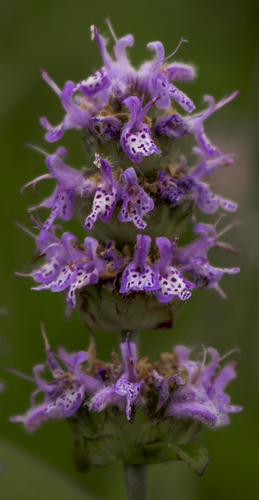
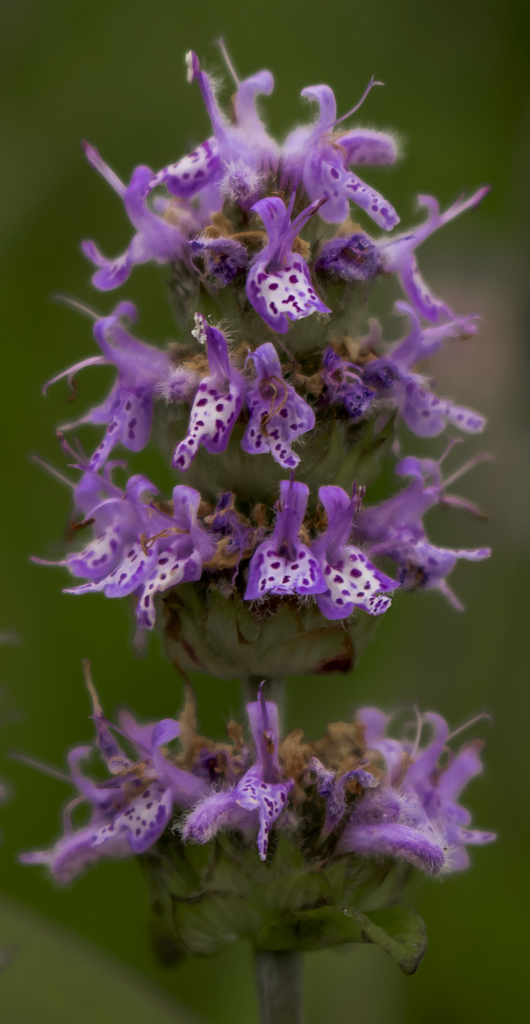
—observations
—countries
—peak records
Least ConcernConservation statusIUCN Red List categoriesLCNTVUENCREWEXLeast ConcernRed List categories, explained →
Diet & preyAutotrophic (Photosynthesis)
ThreatsHabitat loss, invasive plant competition, woody encroachment
HabitatsDry open woods, glades, limestone barrens, prairies, bluffs
Life spanPerennial (5–10+ years)
Classification
- OrderLamiales
- FamilyLamiaceae
- GenusBlephilia
- SpeciesBlephilia ciliata
Range data is not available yet.
Interaction riskLow
- Low
- Moderate
- High
- Very high
- Why interaction risk is low
- Safe to observe at a normal distance.
Responsible observation
- Look for Pagoda Tiers: Identify the stacked whorls of pale purple flowers separated by leafy green bracts along the upper stem.
- Check for Downy Hairs: Examine the lower leaf undersides and main stems, which feature dense, soft white hairs.
- Smell the Foliage: Gently brush the leaves to release a sweet, herbal mint fragrance typical of the family.
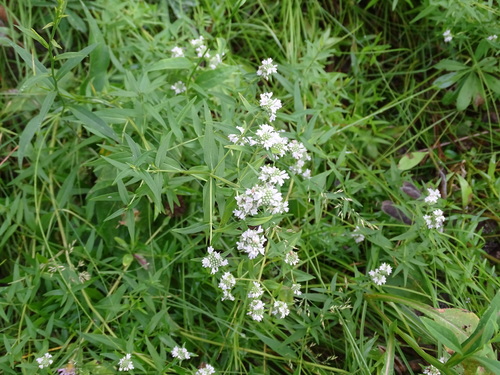
Co-Occurring Mint no rights reserved · cc0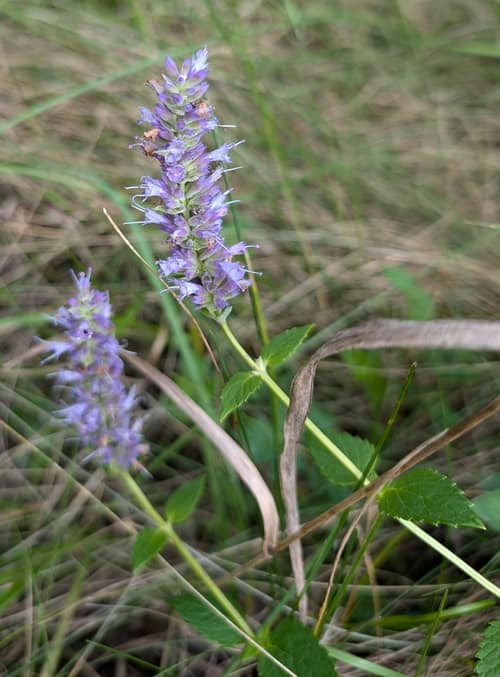
Pollinator Companion (c) Alan Prather, some rights reserved (CC BY), uploaded by Alan Prather · cc-by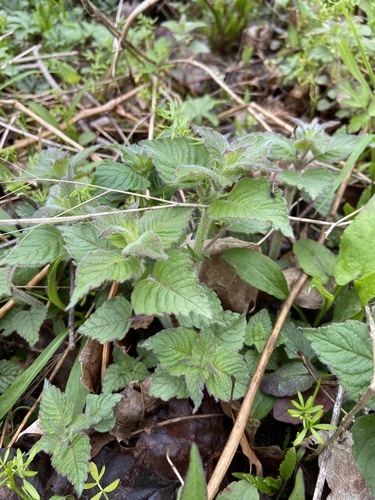
Close Relative no rights reserved · cc0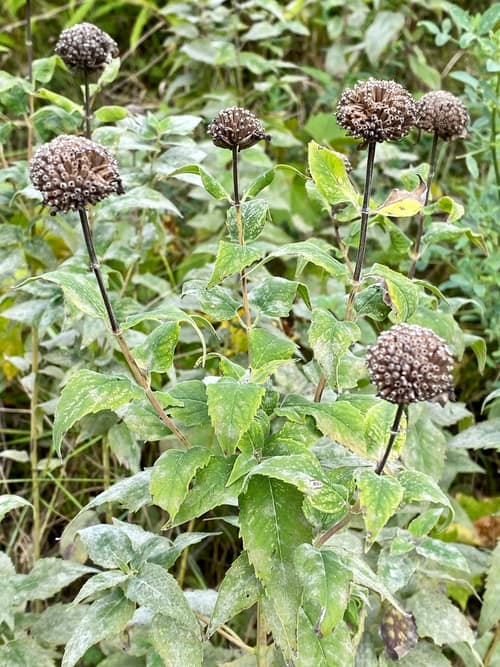
Mint Relative (c) tzeducation, some rights reserved (CC BY), uploaded by tzeducation · cc-by
Help improve the field guideSomething wrong?
Checking your Fauna account…Report a name, category, or profile issue for review.