
Plant
Hairy Wood Mint
Blephilia hirsutaAlso known as Hairy Pagoda Plant, Hairy Pagoda-plant
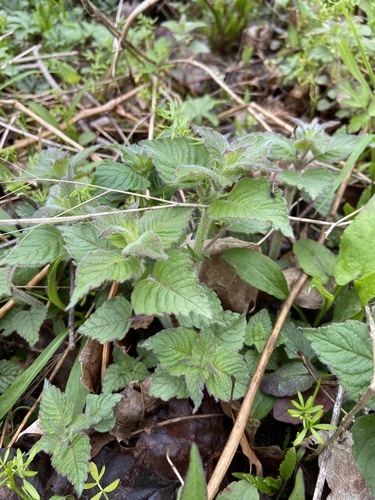
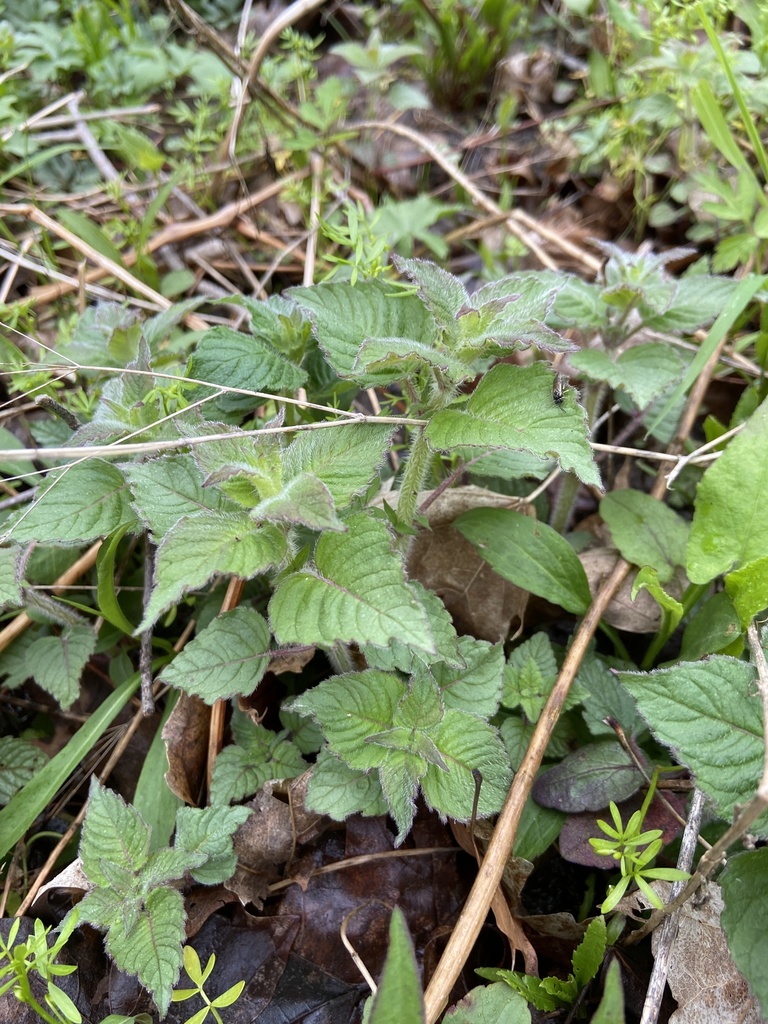
Hairy wood mint thrives along shaded forest slopes and damp woodland bottoms, sending up square stems lined with distinctly hairy, serrated leaves that release a pungent herbal aroma when crushed. Tight, tiered clusters of pale lilac to whitish flowers bloom in spherical whorls stacked like pagodas along the upper stem throughout midsummer. These nectar-rich blooms draw an energetic procession of native long-tongued bees, skippers, and bee flies into dappled forest light.
WildflowerWoodlandPollinator Attractor
—observations
—countries
—peak records
Not EvaluatedConservation statusIUCN Red List categoriesLCNTVUENCREWEXNot Evaluated — not placed on the risk ladderRed List categories, explained →
Diet & preySunlight, Water, Soil Nutrients
Predators
- White-tailed Deer
- Grasshoppers
- Flea Beetles
ThreatsCanopy disturbance, invasive herbaceous weeds like garlic mustard, and excessive soil compaction
HabitatsRich mesic deciduous forests, shaded ravines, moist stream borders, and woodland openings
Life spanPerennial (typically 3–8 years)
Classification
- OrderLamiales
- FamilyLamiaceae
- GenusBlephilia
- SpeciesBlephilia hirsuta
Range data is not available yet.
Interaction riskLow
- Low
- Moderate
- High
- Very high
- Why interaction risk is low
- Safe to observe at a normal distance.
Responsible observation
- Field ID: Check the petioles and stems for dense, spreading hairs to separate it from downy wood mint.
- Pollinator Watching: Visit flowering clumps on humid mornings when bumblebees and butterflies are most active.
- Cultivation: Grow in damp, partly shaded garden beds rich in organic leaf mold.
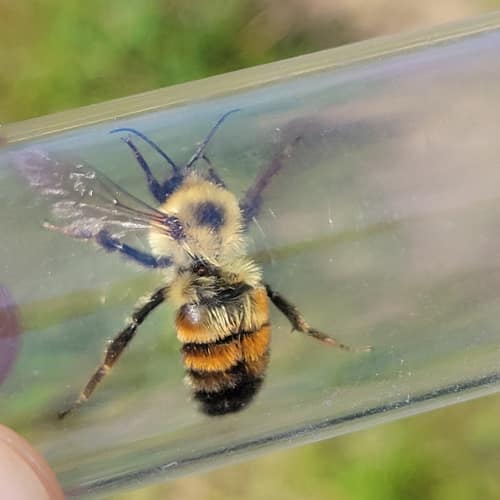
Pollinator (c) Matt Pelikan, some rights reserved (CC BY), uploaded by Matt Pelikan · cc-by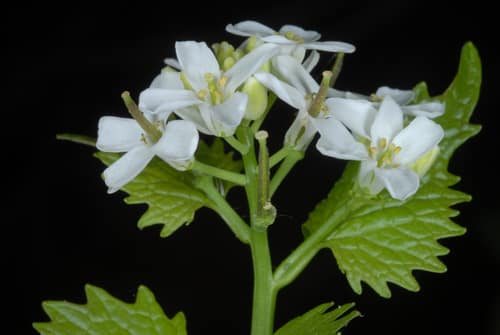
Competitor (c) Douglas Goldman, some rights reserved (CC BY-SA), uploaded by Douglas Goldman · cc-by-sa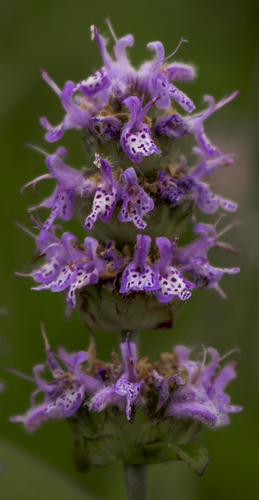
Close Relative (c) aarongunnar, some rights reserved (CC BY), uploaded by aarongunnar · cc-by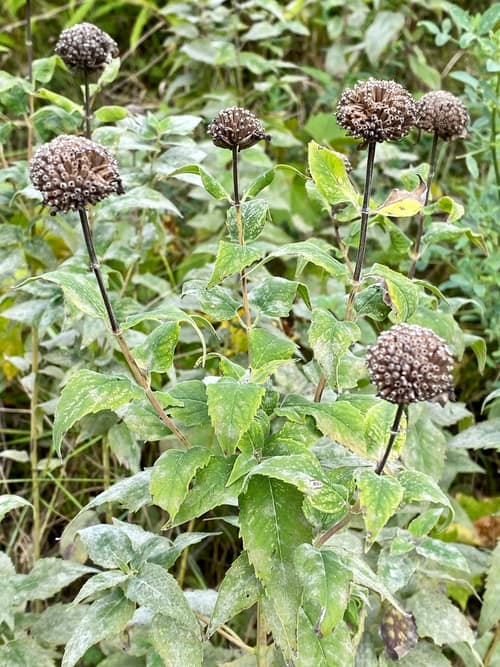
Same Family (c) tzeducation, some rights reserved (CC BY), uploaded by tzeducation · cc-by
Help improve the field guideSomething wrong?
Checking your Fauna account…Report a name, category, or profile issue for review.