
Plant
Hoary Vervain
Verbena strictaAlso known as Hoary Verbena, Tall Vervain, Woolly Verbena
Hoary vervain thrives in sunny, dry prairies and pastures, sending up rigid spikes of violet-blue flowers that open gradually from the bottom up. Dense, velvety white hairs coat its stems and coarsely toothed leaves, helping the plant reflect intense summer sunlight and conserve moisture during drought. Native bees and butterflies flock to its nectar-rich blooms throughout mid- to late summer, while songbirds forage on its small nutlet seeds in autumn.
WildflowerDrought-tolerantPollinator-friendly
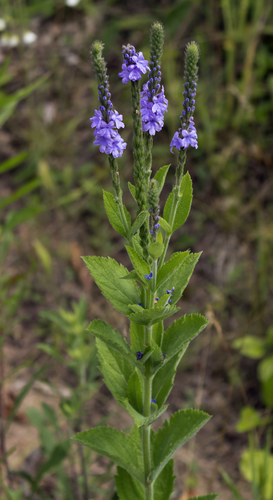
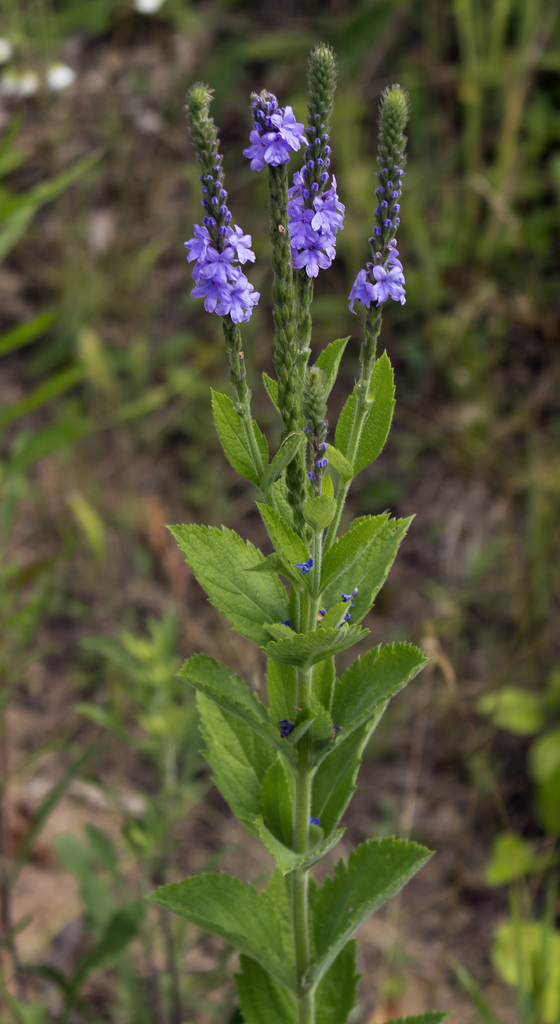
—observations
—countries
—peak records
Not EvaluatedConservation statusIUCN Red List categoriesLCNTVUENCREWEXNot Evaluated — not placed on the risk ladderRed List categories, explained →
Diet & preySunlight, Soil moisture, Soil minerals
Predators
- Verbena bud moth larvae
- Grasshoppers
- Seed-eating songbirds
ThreatsHabitat conversion for agriculture, herbicide use, and invasive prairie weeds
HabitatsDry prairies, savannas, pastures, roadsides, and gravelly fields across North America
Life spanPerennial (typically 3 to 5 years or more)
Classification
- FamilyVerbenaceae
- SpeciesVerbena stricta
Range data is not available yet.
Interaction riskLow
- Low
- Moderate
- High
- Very high
- Why interaction risk is low
- Safe to observe at a normal distance.
Responsible observation
- Feel the Texture: Touch the stems and leaves gently to notice their dense, velvety white hairs.
- Watch Pollinators: Observe the spikes at midday to spot native bees and butterflies moving up the blooms.
- Leave Stalks Standing: Avoid cutting dried stems in autumn so songbirds can forage on the seeds.
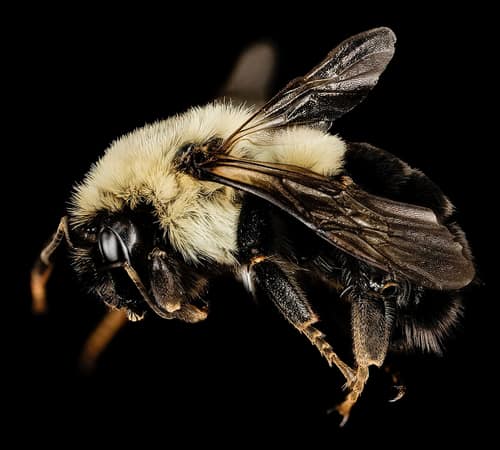
Pollinator USGS Bee Inventory and Monitoring Lab from Beltsville, Maryland, USA / Public domain · cc0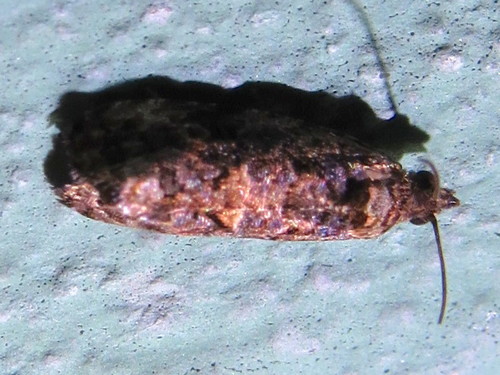
Seed Predator (c) Theo Rickert, some rights reserved (CC BY) · cc-by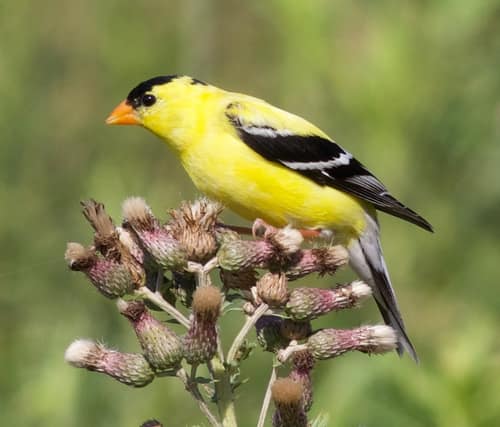
Seed Consumer no rights reserved, uploaded by Glenn Berry · cc0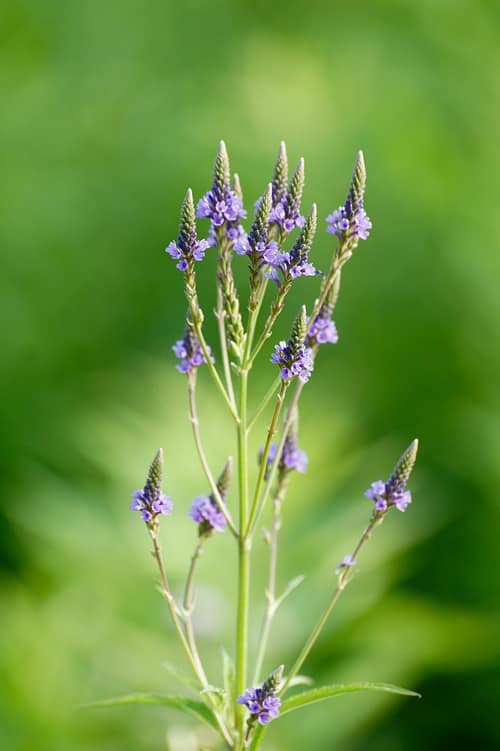
Close Relative (c) psweet, some rights reserved (CC BY-SA), uploaded by psweet · cc-by-sa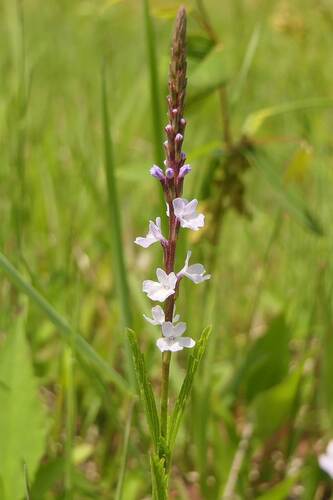
Close Relative (c) christine123, some rights reserved (CC BY) · cc-by
Help improve the field guideSomething wrong?
Checking your Fauna account…Report a name, category, or profile issue for review.