
Plant · GBIF taxon 2925314
Creeping Lantana
Lantana montevidensisAlso known as Trailing Lantana, Weeping Lantana, Purple Lantana, Trailing Shrubverbena
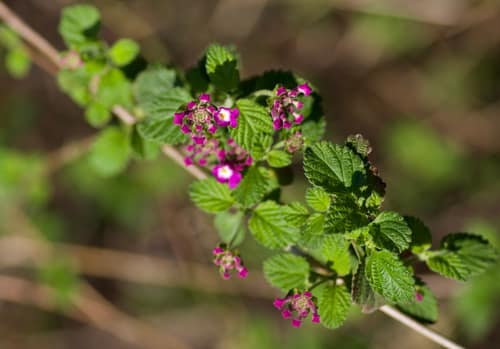
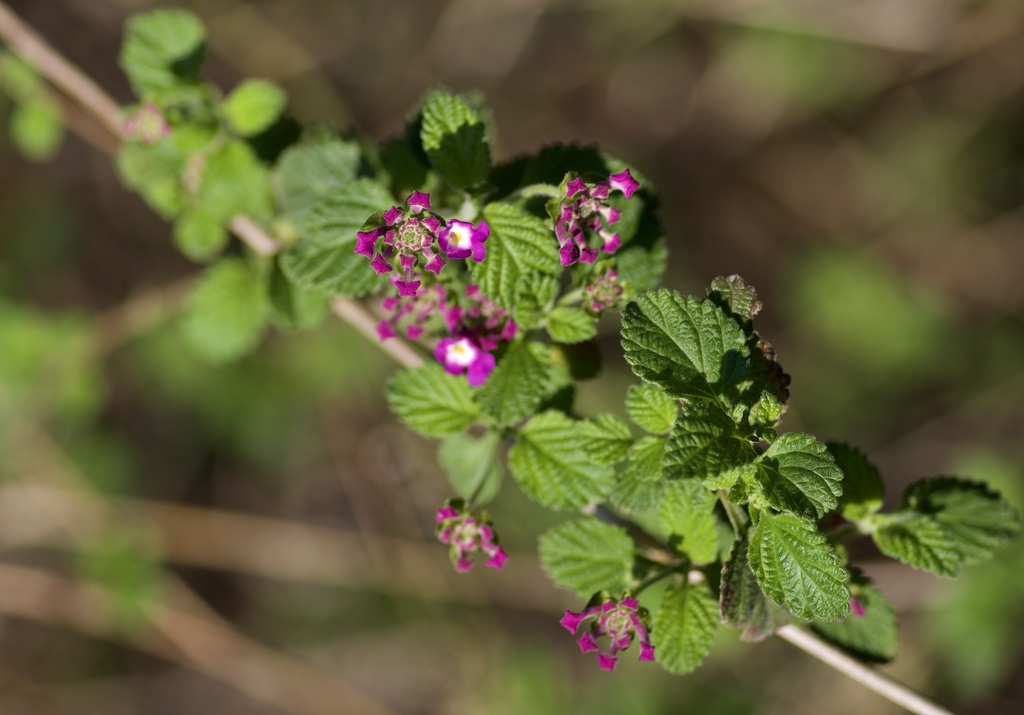
Creeping lantana carpets sunny landscapes with low-growing, trailing branches and dense heads of pale purple flowers featuring tiny white or yellow centers. Its rough, dark green foliage releases a strong, pungent aroma when bruised or crushed. Highly resilient against heat and drought, this groundcover roots wherever creeping stems touch soil, forming expansive mats that outcompete neighboring vegetation.
GroundcoverFloweringDrought-Tolerant
 1 / 6
1 / 6—observations
—countries
—peak records
Not EvaluatedConservation statusIUCN Red List categoriesLCNTVUENCREWEXNot Evaluated — not placed on the risk ladderRed List categories, explained →
Diet & prey
- Autotrophic
Predators
- Lantana Lace Bug
- Lantana Seedfly
- Defoliating Caterpillars
ThreatsHerbicide spraying and manual removal efforts in areas where it becomes invasive
HabitatsDry scrublands, coastal banks, roadsides, disturbed areas, gardens
Life span5–10 years
Classification
- OrderLamiales
- FamilyVerbenaceae
- GenusLantana
- SpeciesLantana montevidensis
Range data is not available yet.
Interaction riskHigh
- Low
- Moderate
- High
- Very high
- Why interaction risk is high
- Toxic if ingested; leaves and berries cause severe liver toxicity in pets and livestock.
- Why it is dangerous
- Contains triterpenoids such as lantadene A, which cause acute liver failure, severe jaundice, and photosensitization in mammals if consumed.
- How to recognize a risky encounter
- Recognized by its trailing stems, sandpaper-textured aromatic leaves, and small flat-topped clusters of lavender-purple flowers.
- What to do
- Keep grazing animals and curious pets away from plants, and never consume wild berries.
Responsible observation
- Containment: Trim trailing branches regularly to prevent stems from rooting beyond garden boundaries.
- Pollinator Observation: Watch flower clusters on warm afternoons for visiting swallowtails and bees.
- Protective Gear: Wear gardening gloves when handling foliage to avoid potential sap irritation.
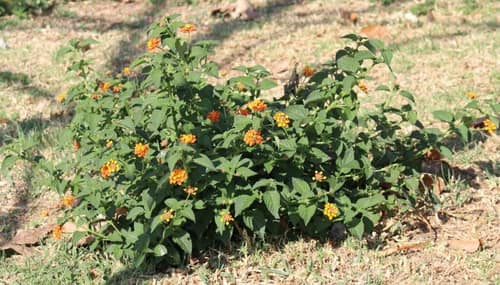
Close Relative no rights reserved, uploaded by Dave Brown · cc0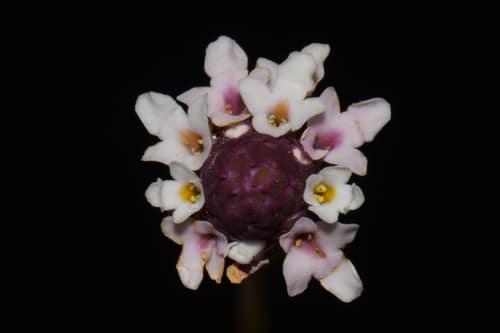
Family Member (c) Brian Finzel, some rights reserved (CC BY-SA), uploaded by Brian Finzel · cc-by-sa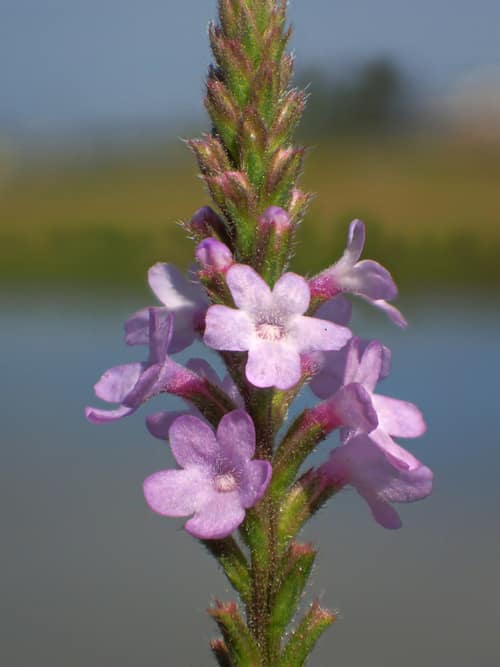
Family Member no rights reserved, uploaded by 葉子 · cc0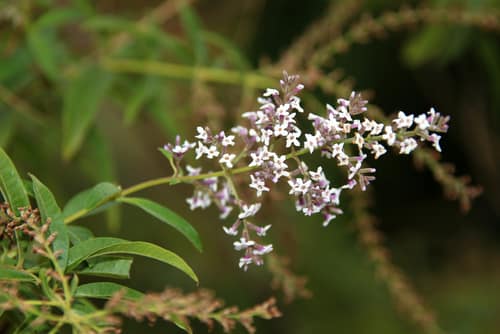
Family Member (c) M a n u e l, some rights reserved (CC BY-SA) · cc-by-sa
Help improve the field guideSomething wrong?
Checking your Fauna account…Report a name, category, or profile issue for review.