
Plant
Firecrackerbush
Bouvardia ternifoliaAlso known as Scarlet Bouvardia, Trompetilla
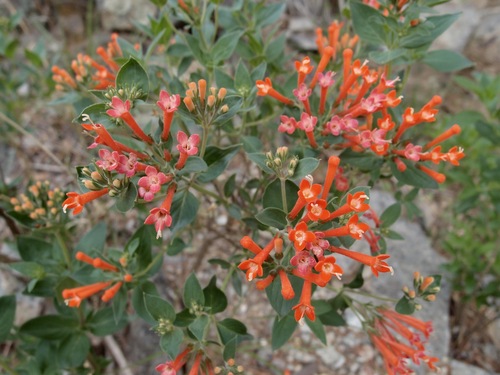
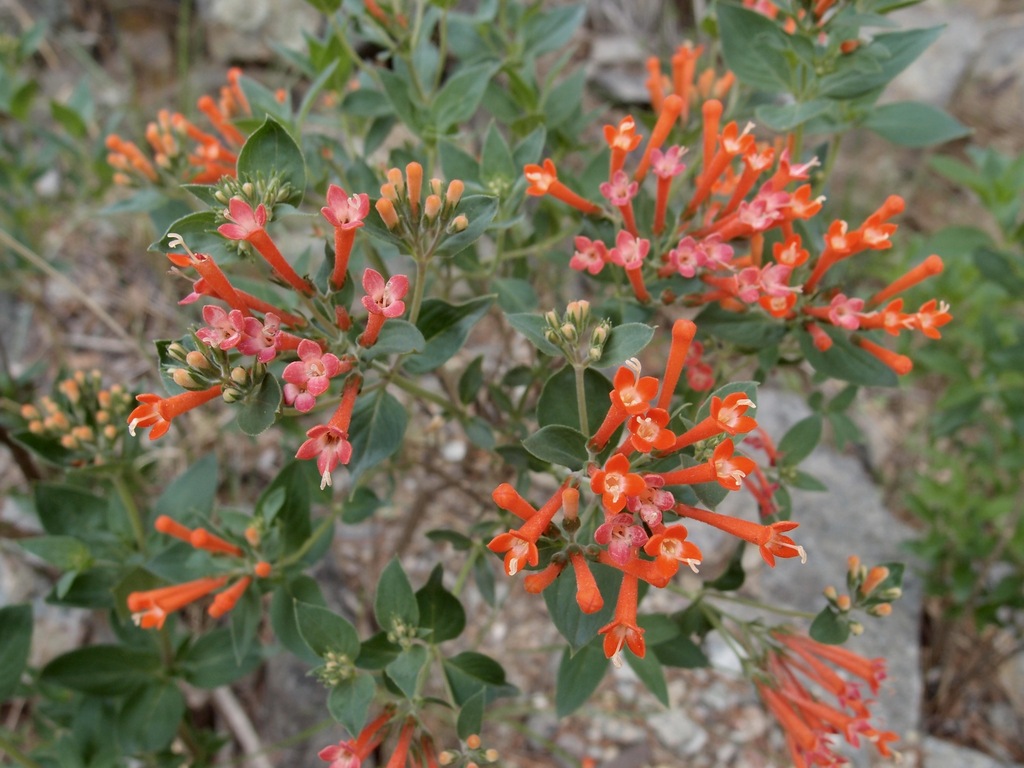
Firecrackerbush lights up rocky canyons and oak woodlands from spring through autumn with clusters of slender, scarlet-red tubular flowers. Its whorled, lance-shaped leaves grow in sets of three or four along woody stems, creating an airy backdrop for blooms that are classic hummingbird magnets. Long-tongued hawkmoths and butterflies also visit the nectar-rich tubes, while small dry capsules split open after flowering to scatter winged seeds.
FloweringShrubHummingbird-Pollinated
—observations
—countries
—peak records
Least ConcernConservation statusIUCN Red List categoriesLCNTVUENCREWEXLeast ConcernRed List categories, explained →
Diet & preyPhotosynthetic autotroph; absorbs water and minerals from well-drained rocky or sandy soils
Predators
- White-tailed deer
- Mule deer
- Desert cottontail
ThreatsHabitat loss, overgrazing by livestock, and prolonged drought in arid parts of its range
HabitatsRocky canyons, oak and pine-oak woodlands, desert scrub, and dry mountain slopes from the southwestern United States to Honduras
Life spanPerennial; typically 10 to 20 years in the wild
Classification
- FamilyRubiaceae
- SpeciesBouvardia ternifolia
Range data is not available yet.
Interaction riskLow
- Low
- Moderate
- High
- Very high
- Why interaction risk is low
- Safe to observe at a normal distance.
Responsible observation
- Best Viewing: Look along rocky canyon washes and oak woodland edges from late spring through autumn when scarlet blooms peak.
- Pollinator Watch: Stand quietly near flowering shrubs in early morning to spot hummingbirds hovering at the narrow flower tubes.
- ID Clue: Check for lance-shaped leaves arranged in whorls of three or four along slender woody stems.
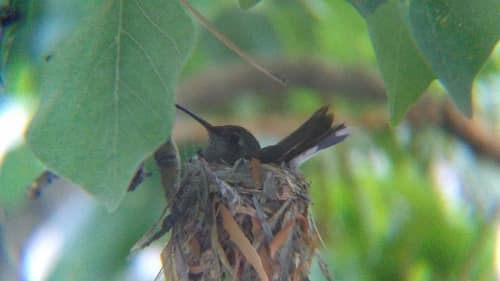
Pollinator (c) Arturo Crespo Moctezuma, some rights reserved (CC BY) · cc-by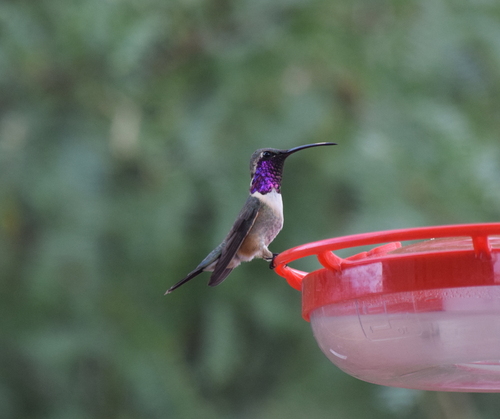
Pollinator (c) William Harmon, some rights reserved (CC BY) · cc-by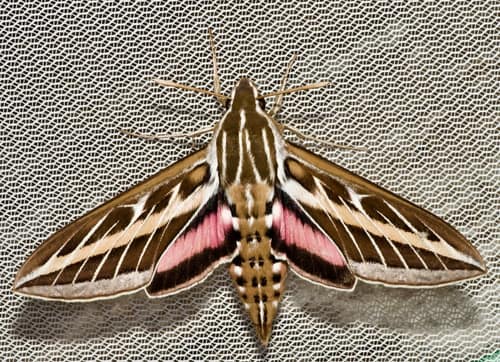
Pollinator (c) Michelle W. (鍾偉瑋), some rights reserved (CC BY), uploaded by Michelle W. (鍾偉瑋) · cc-by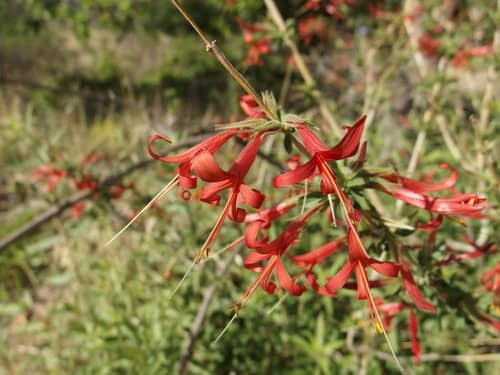
Frequent Companion (c) Sue Carnahan, some rights reserved (CC BY), uploaded by Sue Carnahan · cc-by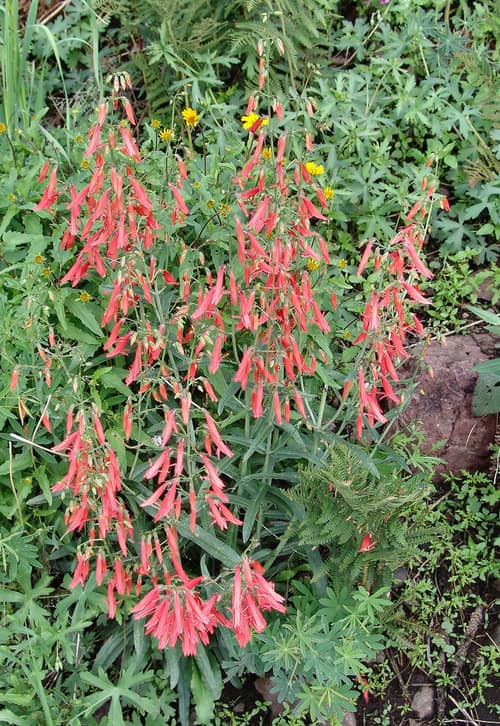
Competitor (c) Gordon C. Snelling, some rights reserved (CC BY) · cc-by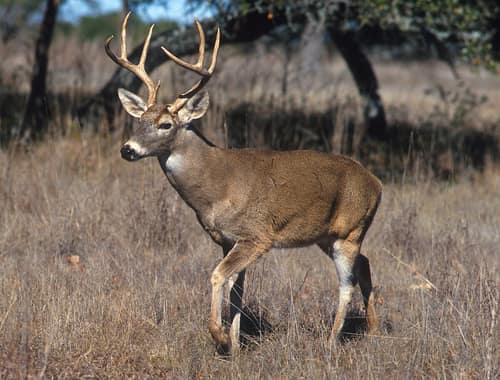
Herbivore USDA photo by Scott Bauer / Public domain · cc0
Help improve the field guideSomething wrong?
Checking your Fauna account…Report a name, category, or profile issue for review.