
Flower · GBIF taxon 2908986
Egyptian Star-cluster
Pentas lanceolataAlso known as Egyptian Star Flower, Pentas, Star Cluster
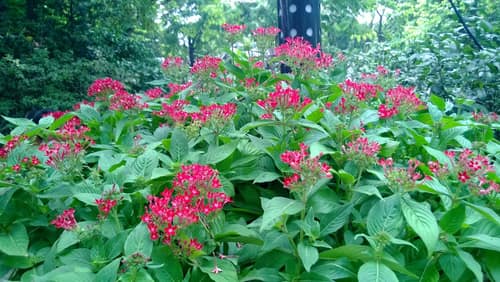
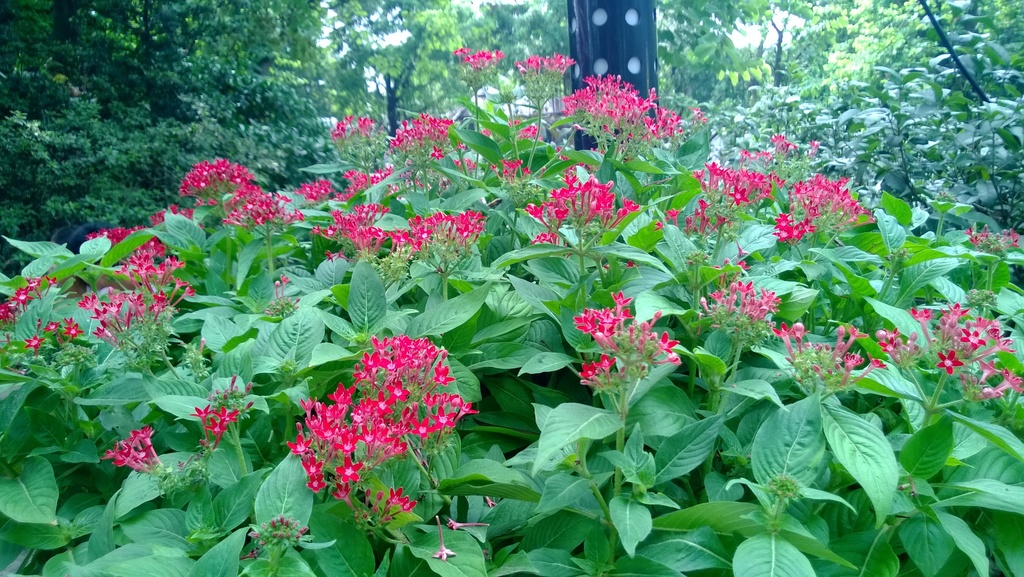
Egyptian star-clusters light up gardens and wild forest margins with dense, rounded clusters of vibrant, five-pointed blossoms that bloom continuously in warm weather. Native to eastern Africa and the Arabian Peninsula, this evergreen subshrub thrives in full sun and rich soil, forming bushy mounds of dark green, deeply veined foliage. Its tubular flowers produce nectar in abundance, making it an essential ecological bridge for local butterflies, bees, and long-tongued pollinators.
FloweringPollinator MagnetTropical
—observations
—countries
—peak records
Not EvaluatedConservation statusIUCN Red List categoriesLCNTVUENCREWEXNot Evaluated — not placed on the risk ladderRed List categories, explained →
Diet & prey
- Autotrophic (Photosynthesis)
Predators
- Aphids
- Spider Mites
- Whiteflies
ThreatsHabitat destruction in wild ranges, frost exposure
HabitatsTropical scrub, forest margins, rocky slopes, gardens
Life span3–5 years (as a perennial in frost-free regions)
Classification
- OrderGentianales
- FamilyRubiaceae
- GenusPentas
- SpeciesPentas lanceolata
Range data is not available yet.
Interaction riskLow
- Low
- Moderate
- High
- Very high
- Why interaction risk is low
- Safe to observe at a normal distance.
Responsible observation
- Spotting: Look for tight umbrella-like clusters of distinct five-pointed star flowers on erect woody stems.
- Gardening: Plant in full sun to encourage uninterrupted blooming throughout hot summer months.
- Pollinator Watching: Visit patches during warm afternoons to observe hovering butterflies and bees.
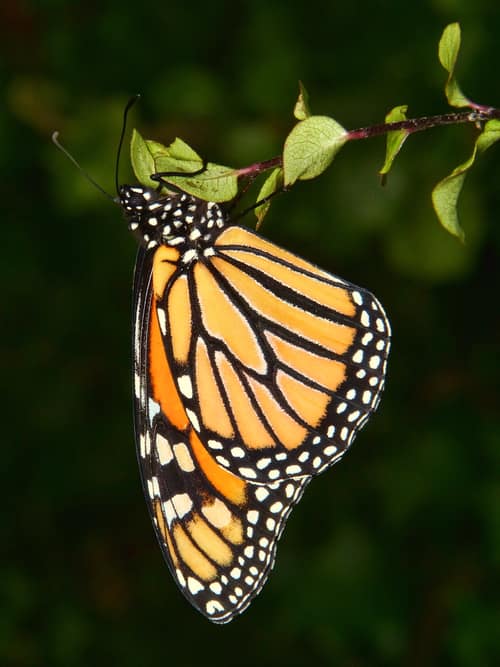
Pollinator Sid Mosdell from New Zealand / CC BY 2.0 · cc-by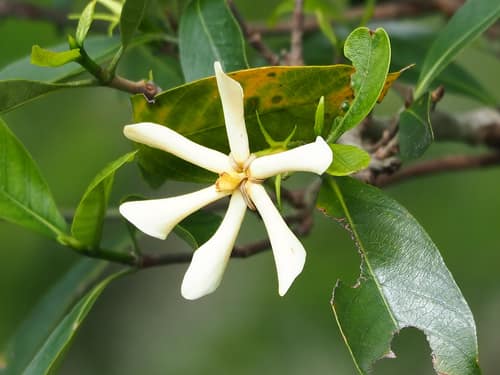
Close Relative no rights reserved, uploaded by 葉子 · cc0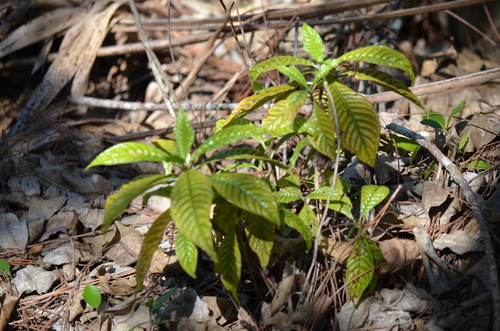
Family Member (c) Josiah Londerée, some rights reserved (CC BY) · cc-by
Help improve the field guideSomething wrong?
Checking your Fauna account…Report a name, category, or profile issue for review.