
Plant
Burflower-tree
Neolamarckia cadambaAlso known as Kadam, Kadamba, Laran, Leichhardt Pine
Burflower-trees stand out in tropical Asian lowlands with straight trunks, horizontal branches, and spherical yellow-orange flower heads radiating tiny white stigmas. The sweet perfume of their blossoms fills the canopy during peak blooms, attracting fruit bats and birds that disperse the seeds. Culturally revered across South Asia, this fast-growing giant plays a major role in regional folklore, landscape planting, and traditional perfumery.
TropicalFlowering TreeFragrant
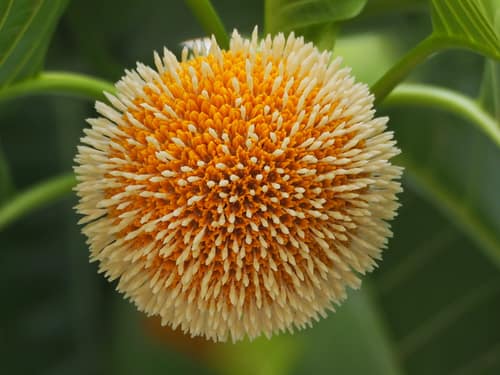
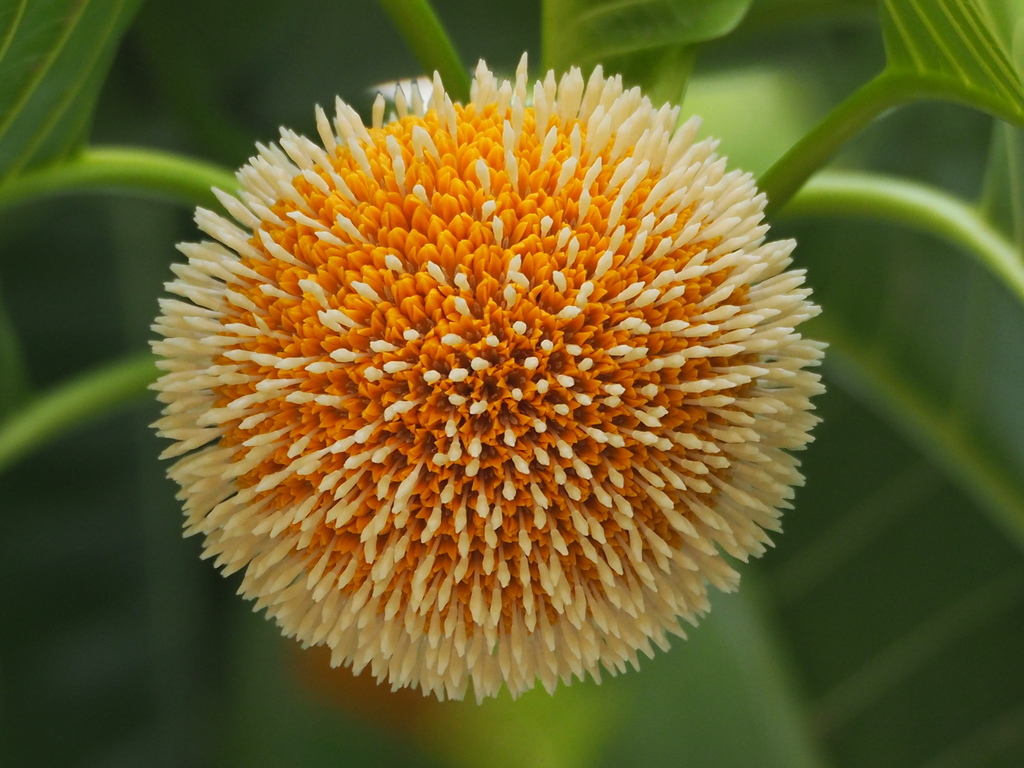
—observations
—countries
—peak records
Least ConcernConservation statusIUCN Red List categoriesLCNTVUENCREWEXLeast ConcernRed List categories, explained →
Diet & preyAutotrophic
ThreatsDeforestation, habitat conversion
HabitatsTropical lowland rainforests, riverbanks, secondary forests
Life span50–100 years
Classification
- OrderGentianales
- FamilyRubiaceae
- GenusNeolamarckia
- SpeciesNeolamarckia cadamba
Range data is not available yet.
Interaction riskLow
- Low
- Moderate
- High
- Very high
- Why interaction risk is low
- Wild fruits have toxic look-alikes; never eat based on app identification alone.
Responsible observation
- Flower Spotting: Look for dense, globe-shaped orange blossoms scattered throughout the high canopy.
- Scent Detection: Visit flowering trees in early morning when perfume emission is strongest.
- Wildlife Observing: Scan mature fruiting trees at dusk for visiting fruit bats.
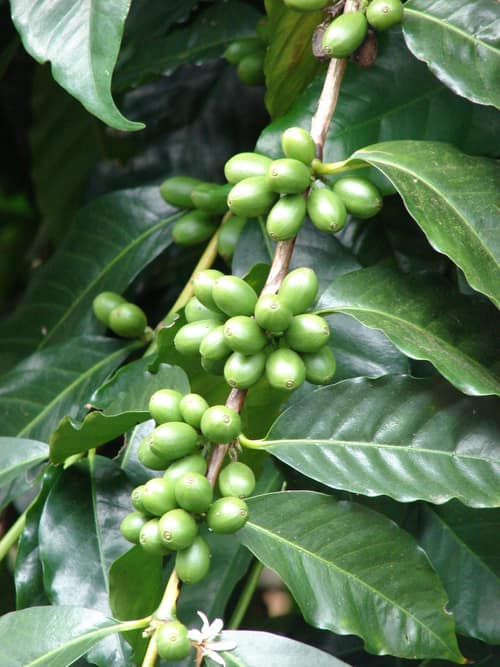
Close Relative (c) Forest and Kim Starr, some rights reserved (CC BY) · cc-by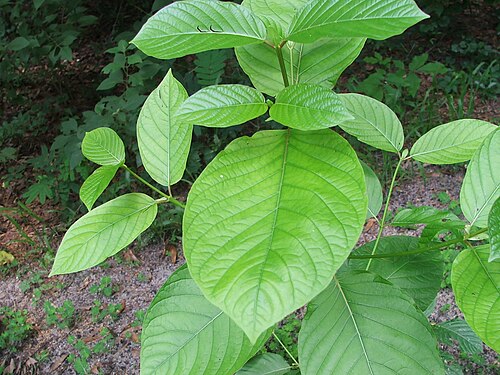
Close Relative Uomo vitruviano / CC BY-SA 3.0 · cc-by-sa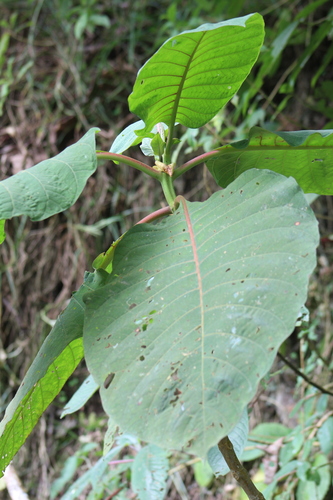
Close Relative (c) GERMAN LEONEL SARMIENTO CRUZ, some rights reserved (CC BY), uploaded by GERMAN LEONEL SARMIENTO CRUZ · cc-by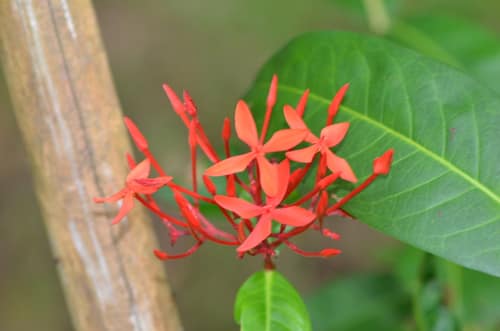
Close Relative (c) Zinogre, some rights reserved (CC BY-SA), uploaded by Zinogre · cc-by-sa
Help improve the field guideSomething wrong?
Checking your Fauna account…Report a name, category, or profile issue for review.