
Flower
Pink Knotweed
Persicaria capitataAlso known as Pink-headed Persicaria, Pinkhead Smartweed, Pink Bubble Persicaria
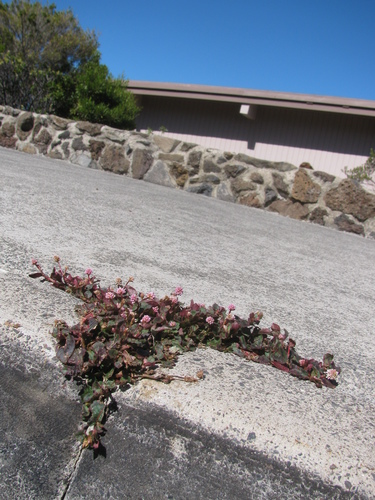
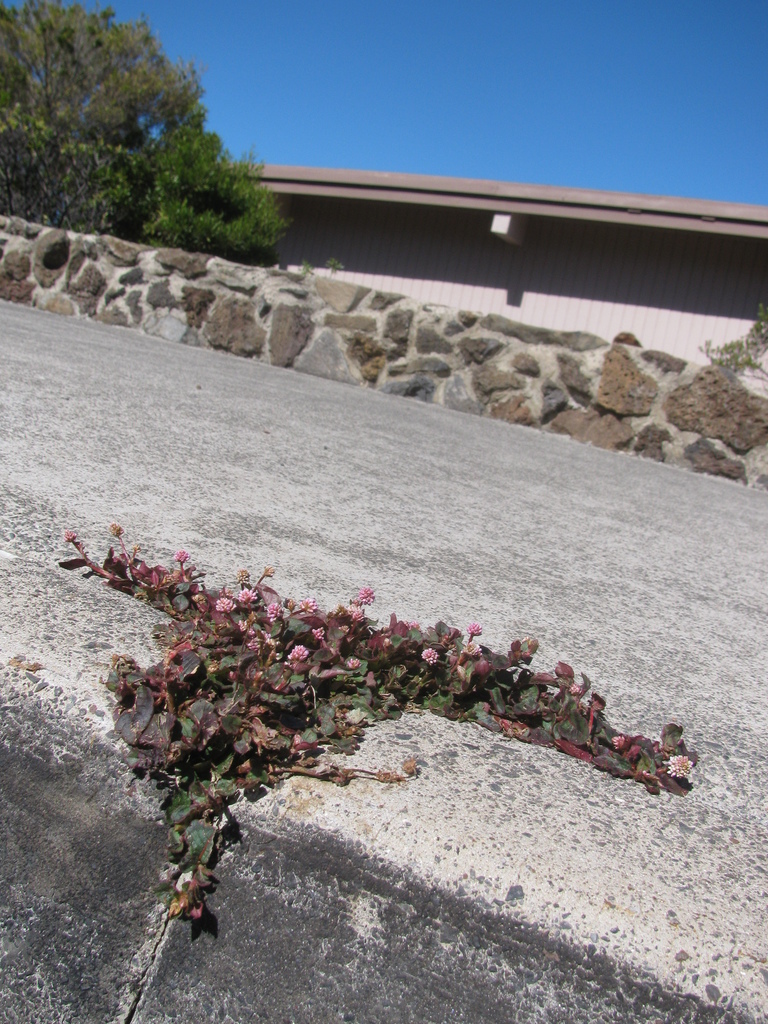
Pink knotweed forms dense, creeping carpets across rocky crevices and disturbed ground, rooting readily wherever its reddish prostrate stems touch moist soil. Distinctive dark purple V-shaped chevrons mark each oval leaf, providing a striking backdrop to the pompom-like clusters of miniature pink blossoms that bloom from spring until frost. While valued as a resilient garden groundcover, its vigorous creeping habit has allowed it to naturalize in mild climates around the world.
Ground CoverFloweringOrnamental
—observations
—countries
—peak records
Least ConcernConservation statusIUCN Red List categoriesLCNTVUENCREWEXLeast ConcernRed List categories, explained →
Diet & preyAutotrophic (Photosynthetic)
Predators
- Snails and Slugs
- Foliage-feeding Caterpillars
- Grasshoppers
ThreatsDisplacement by aggressive weeds, severe prolonged freezing
HabitatsMontane slopes, rocky outcrops, roadsides, garden borders
Life spanPerennial (short-lived or grown as an annual in cold climates)
Classification
- OrderCaryophyllales
- FamilyPolygonaceae
- GenusPersicaria
- SpeciesPersicaria capitata
Range data is not available yet.
Interaction riskLow
- Low
- Moderate
- High
- Very high
- Why interaction risk is low
- Safe to observe at a normal distance.
Responsible observation
- Foliage Check: Examine leaves in bright sunlight to clearly spot the distinct reddish-purple chevron band.
- Bloom Details: Use a hand lens on the round, button-like flower clusters to view the tiny five-lobed florets.
- Spreading Habits: Check along trail borders or stone walls to see stems rooting at their nodes into small crevices.
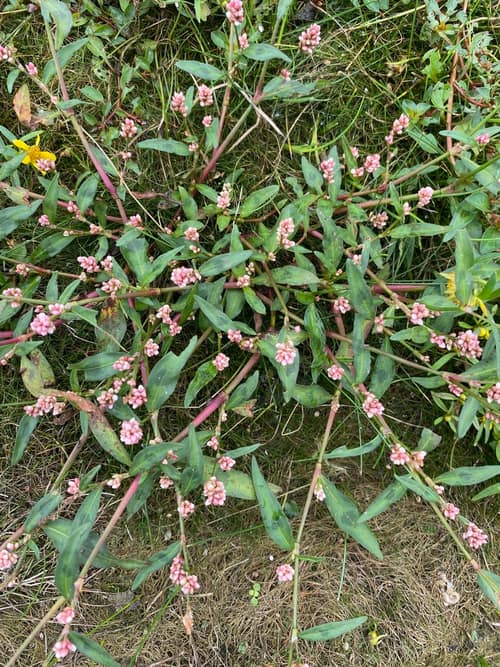
Close Relative no rights reserved, uploaded by Pam Martin · cc0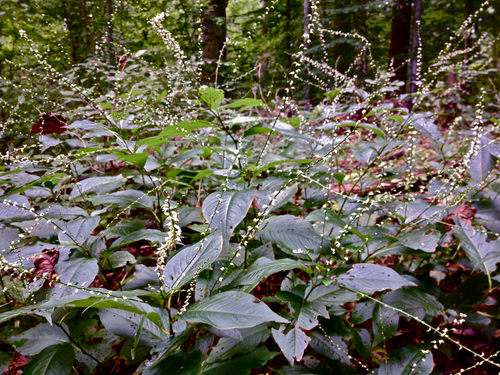
Close Relative (c) Fritzflohrreynolds, some rights reserved (CC BY-SA) · cc-by-sa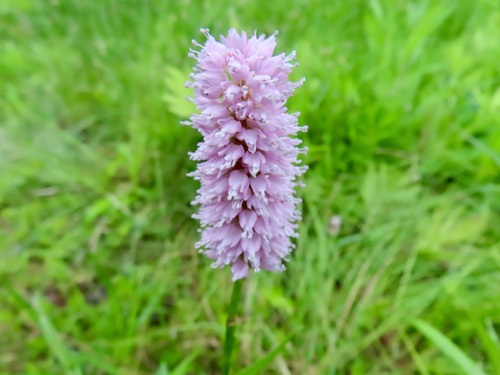
Same Family no rights reserved · cc0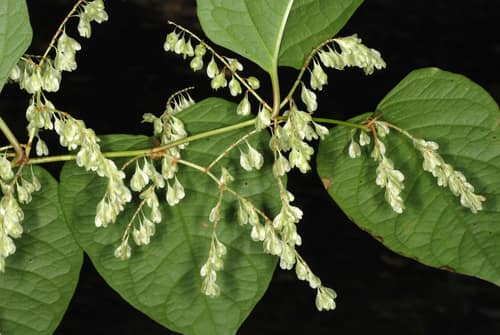
Same Family (c) Douglas Goldman, some rights reserved (CC BY-SA), uploaded by Douglas Goldman · cc-by-sa
Help improve the field guideSomething wrong?
Checking your Fauna account…Report a name, category, or profile issue for review.