
Flower
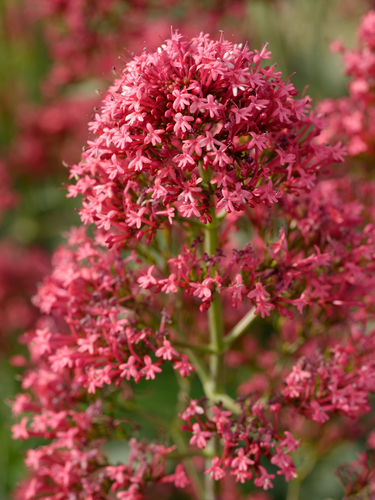
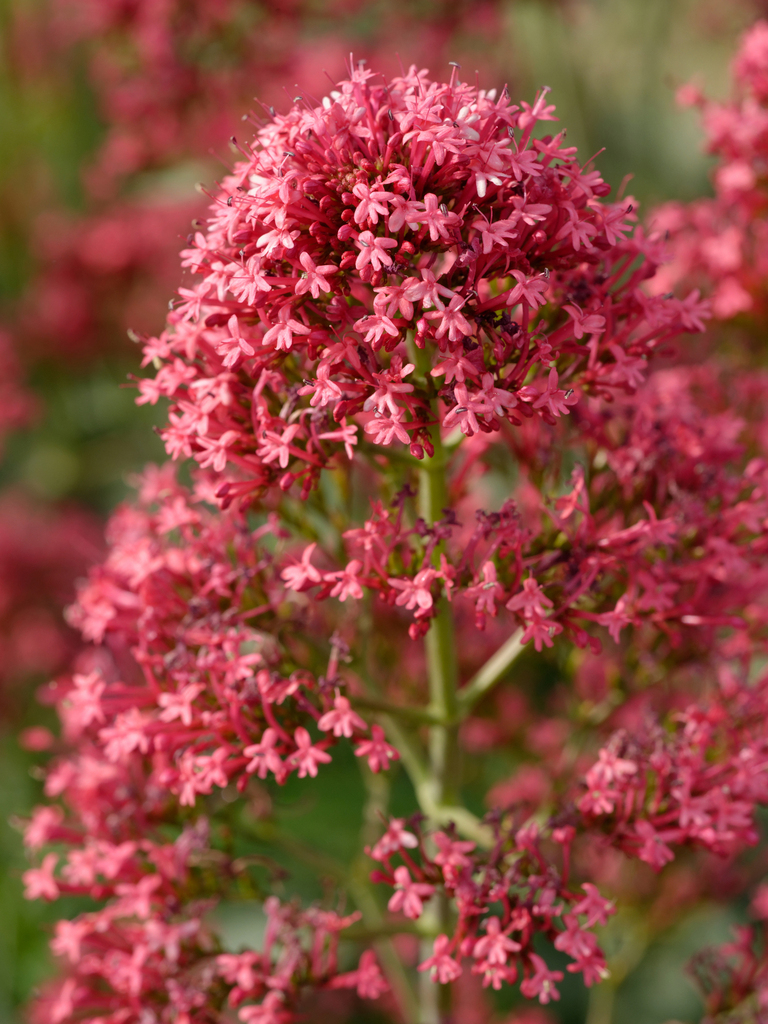
Red Valerian
Centranthus ruberAlso known as Spur Valerian, Jupiter's Beard, Kiss-Me-Quick, Devil's Beard
Red valerian thrives in dry crevices, coastal cliffs, and old stone masonry across temperate regions. Its dense clusters of tiny, sweet-scented crimson or rose pink flowers bloom continuously from late spring through early autumn, providing an abundant nectar source for bees, butterflies, and day-flying moths. Capable of self-seeding vigorously in minimal soil, this hardy perennial has naturalized far beyond its native Mediterranean roots.
PerennialDrought TolerantAttracts Pollinators
—observations
—countries
—peak records
Least ConcernConservation statusIUCN Red List categoriesLCNTVUENCREWEXLeast ConcernRed List categories, explained →
Diet & preyPhotosynthetic
Predators
- Slugs
- Snails
- Aphids
ThreatsMinimal; highly resilient and locally invasive outside its native range
HabitatsOld stone walls, rocky slopes, coastal cliffs, roadsides, urban waste ground
Life spanPerennial (5–10 years)
Classification
- OrderDipsacales
- FamilyCaprifoliaceae
- GenusCentranthus
- SpeciesCentranthus ruber
Range data is not available yet.
Interaction riskLow
- Low
- Moderate
- High
- Very high
- Why interaction risk is low
- Safe to observe at a normal distance.
Responsible observation
- Pollinator Watching: Look for long-tongued pollinators such as hummingbird hawk-moths visiting the deep tubular flowers.
- Garden Care: Deadhead fading blooms before seed heads develop to restrict self-seeding around home gardens.
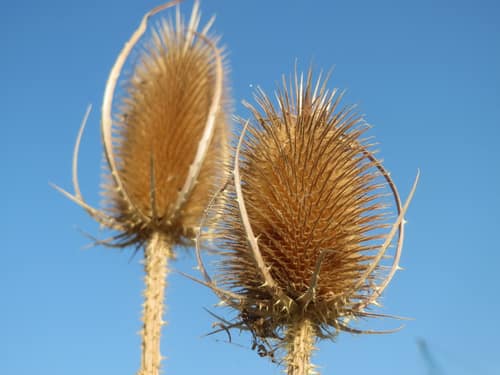
Related Order (c) Andreas Rockstein, some rights reserved (CC BY-SA) · cc-by-sa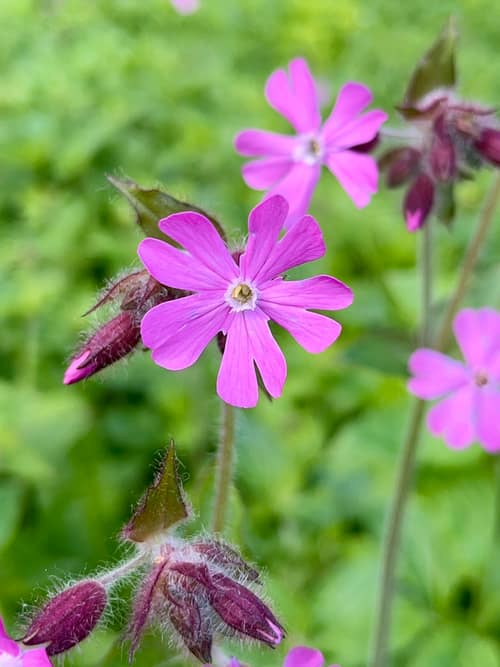
Frequent Companion (c) Kieran Roy Powell, some rights reserved (CC BY), uploaded by Kieran Roy Powell · cc-by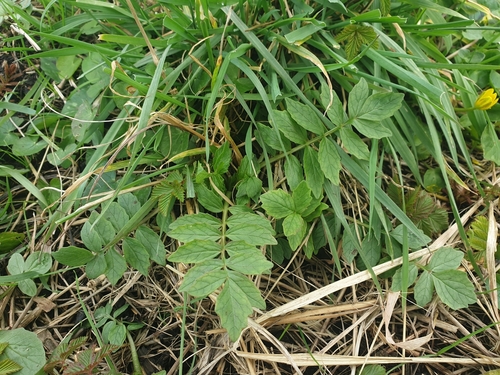
Close Relative (c) Clément Maouche, some rights reserved (CC BY) · cc-by
Help improve the field guideSomething wrong?
Checking your Fauna account…Report a name, category, or profile issue for review.