
Flower
Common Valerian
Valeriana officinalisAlso known as Garden Valerian, Garden Heliotrope, All-Heal
Common valerian produces tall, hollow stems topped with sweet-scented clusters of tiny white or pinkish blossoms throughout midsummer. Its compound, feather-like leaves thrive in damp meadows, stream banks, and roadside ditches across Europe and Asia, attracting bees, hoverflies, and butterflies. The pungent underground rhizomes release an earthy aroma that attracts cats much like catnip while supporting a rich history in traditional botanical herbalism.
AromaticFloweringPerennial
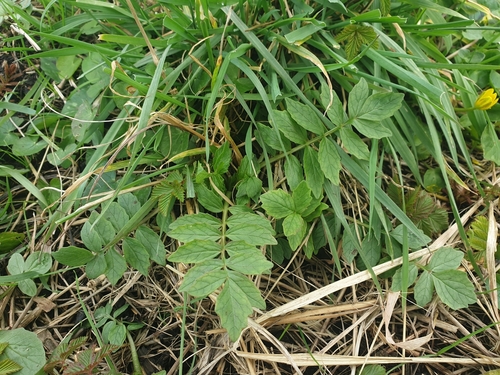
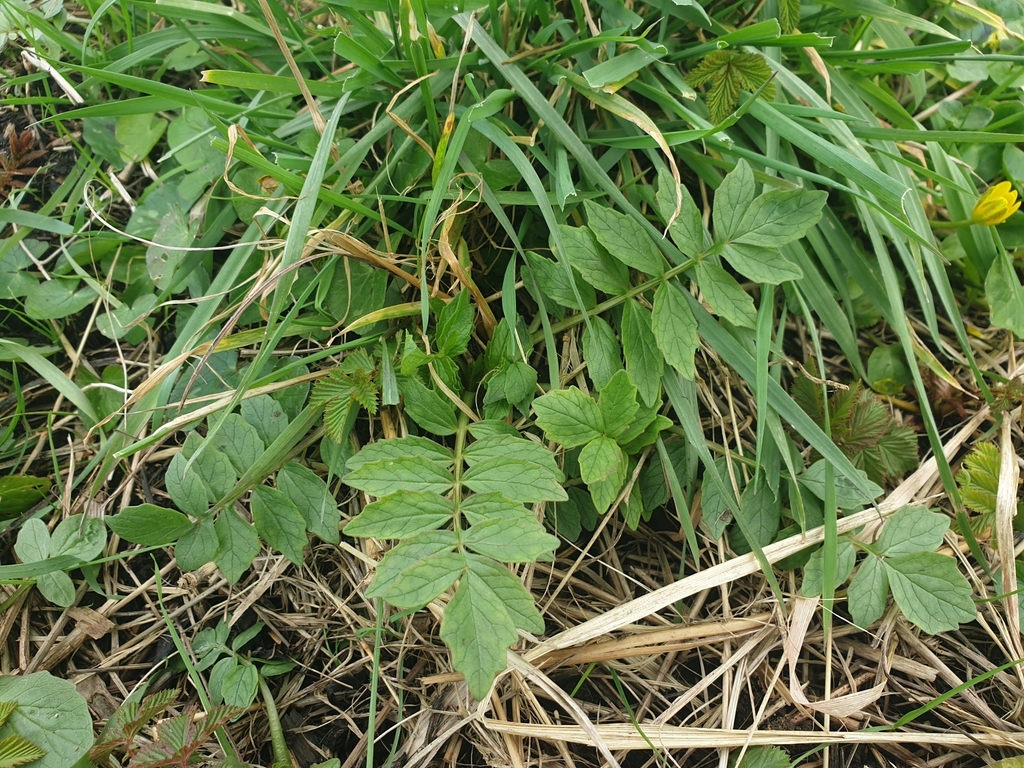
—observations
—countries
—peak records
Least ConcernConservation statusIUCN Red List categoriesLCNTVUENCREWEXLeast ConcernRed List categories, explained →
Diet & preyAutotrophic (Photosynthesis)
Predators
- Aphids
- Slugs
- Deer
ThreatsHabitat loss, wetland drainage, invasive plant competition
HabitatsDamp meadows, stream banks, wet woodlands, roadside ditches
Life spanPerennial (5–15+ years)
Classification
- OrderDipsacales
- FamilyCaprifoliaceae
- GenusValeriana
- SpeciesValeriana officinalis
Range data is not available yet.
Interaction riskLow
- Low
- Moderate
- High
- Very high
- Why interaction risk is low
- Safe to observe; avoid harvesting wild plants due to dangerous look-alikes like poison hemlock.
Responsible observation
- Observing Blooms: Look for dense, sweet-smelling clusters of tiny white to pinkish flowers from June to August.
- Foliage Spotting: Identify pinnately divided leaves with deeply serrated leaflets along distinctly grooved, hollow stems.
- Garden Planting: Grow in moist, organic-rich soil under full sun to light shade for optimal flowering.
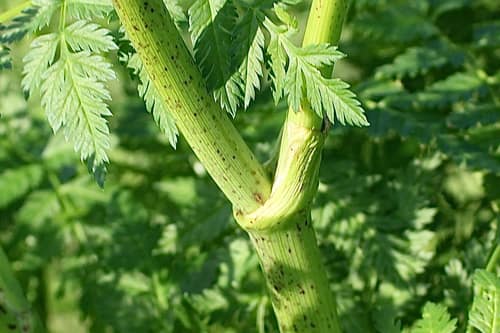
Toxic Look-Alike (c) L.J. Lamera, some rights reserved (CC BY), uploaded by L.J. Lamera · cc-by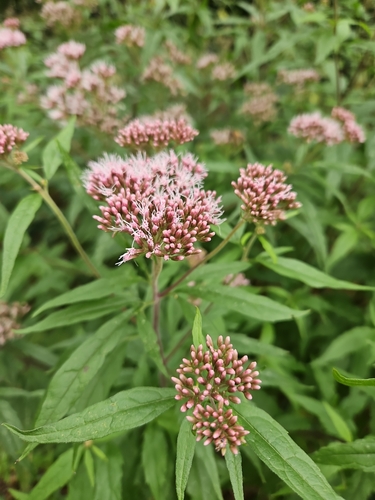
Frequent Companion no rights reserved, uploaded by Hayley · cc0 Image unavailable
Close Relative 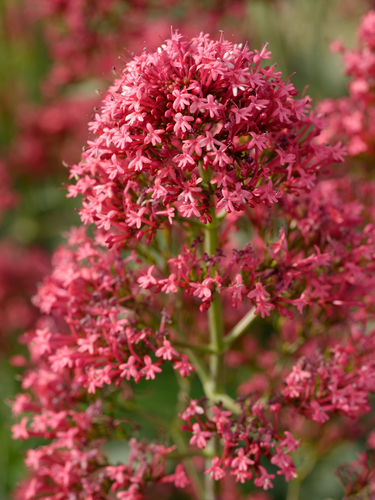
Family Member (c) Marie-Lan Nguyen, some rights reserved (CC BY) · cc-by
Help improve the field guideSomething wrong?
Checking your Fauna account…Report a name, category, or profile issue for review.