
Plant · GBIF taxon 2882868
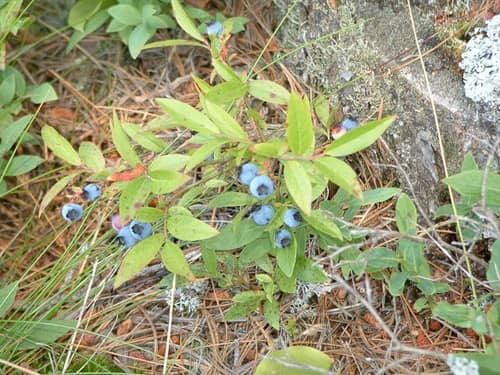
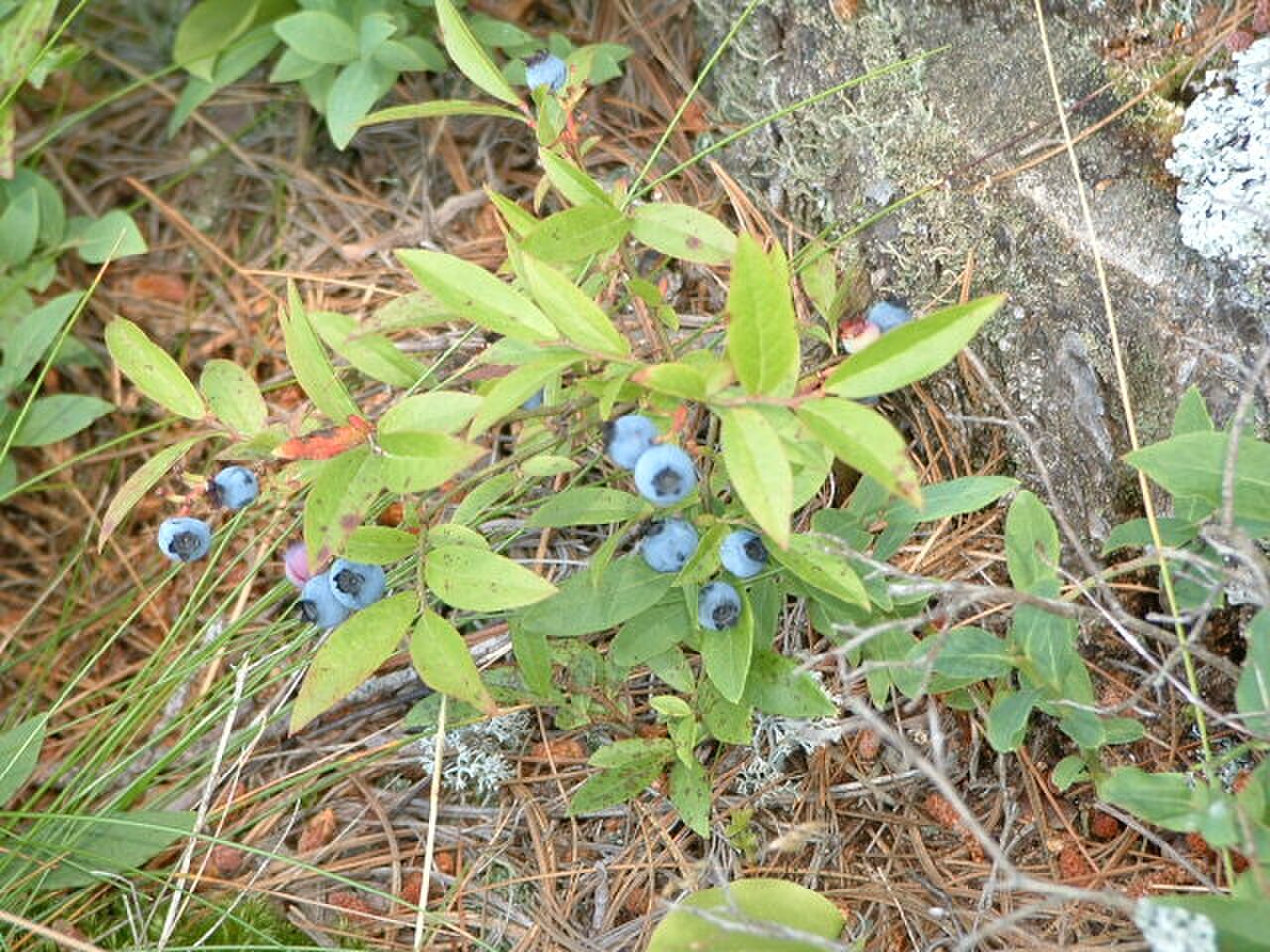
Lowbush Blueberry
Vaccinium angustifoliumAlso known as Wild Lowbush Blueberry, Low Sweet Blueberry, Late Lowbush Blueberry
Lowbush blueberry forms dense subterranean clonal colonies across acidic barrens and rocky uplands of eastern North America. White, urn-shaped flowers bloom in late spring to support early emerging native bees, followed by deep blue glaucous fruit that sustains birds and mammals. The glossy green leaves transform into dense carpets of fiery crimson each autumn.
DeciduousBerry-BearingNative
—observations
—countries
—peak records
Least ConcernConservation statusIUCN Red List categoriesLCNTVUENCREWEXLeast ConcernRed List categories, explained →
Diet & prey
- Autotrophic (photosynthesis)
Predators
- Black Bear
- White-Tailed Deer
- Ruffed Grouse
ThreatsHabitat loss, invasive species, climate change
HabitatsBoreal forests, sandy barrens, rocky uplands, bog margins
Life spanPerennial (clones can live over 100 years)
Classification
- OrderEricales
- FamilyEricaceae
- GenusVaccinium
- SpeciesVaccinium angustifolium
Range data is not available yet.
Interaction riskLow
- Low
- Moderate
- High
- Very high
- Why interaction risk is low
- Wild berries have toxic look-alikes; never eat based on app identification alone.
Responsible observation
- Spotting Spring Blooms: Look for tiny white to pinkish urn-shaped flowers opening in late spring.
- Autumn Color: Watch for dense carpets of low shrubs turning brilliant crimson in early autumn.
- Habitat Cues: Search sandy barrens, rocky ridges, and thin acidic soils where sun reaches the ground.
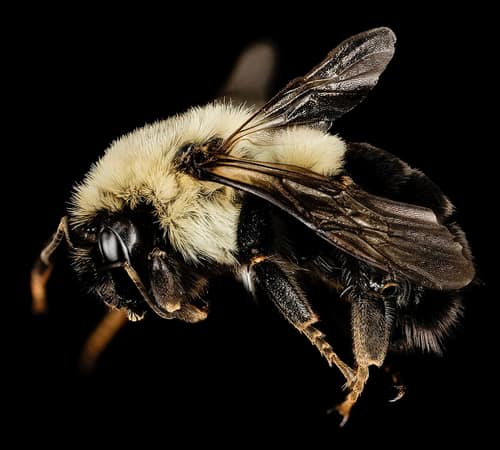
Pollinator USGS Bee Inventory and Monitoring Lab from Beltsville, Maryland, USA / Public domain · cc0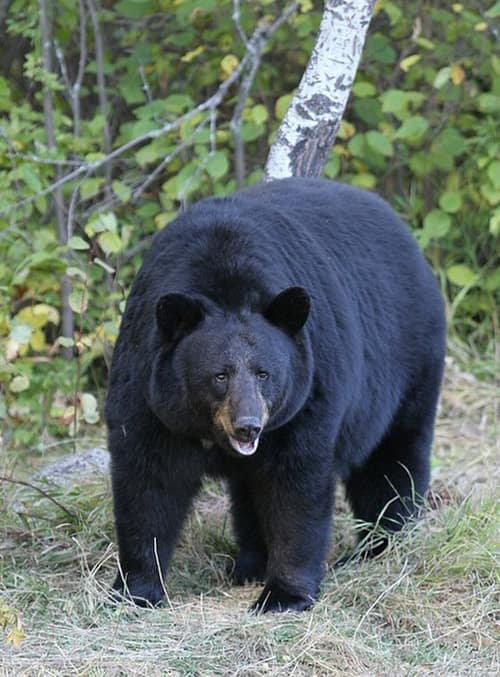
Seed Disperser Diginatur / CC BY-SA 3.0 · cc-by-sa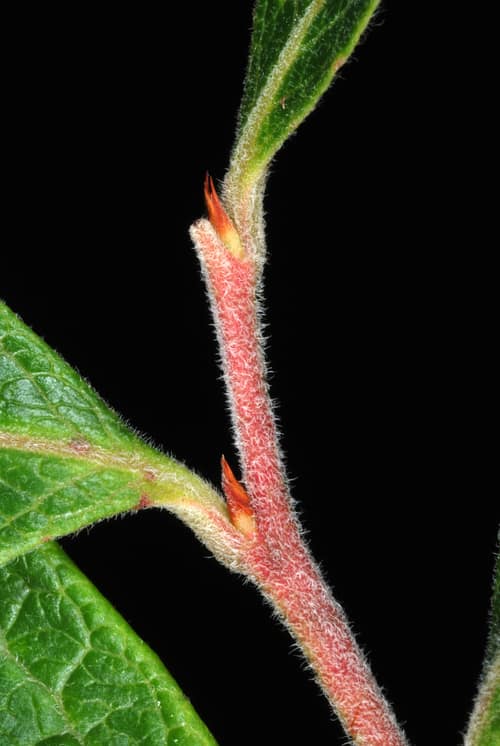
Close Relative (c) Douglas Goldman, some rights reserved (CC BY-SA), uploaded by Douglas Goldman · cc-by-sa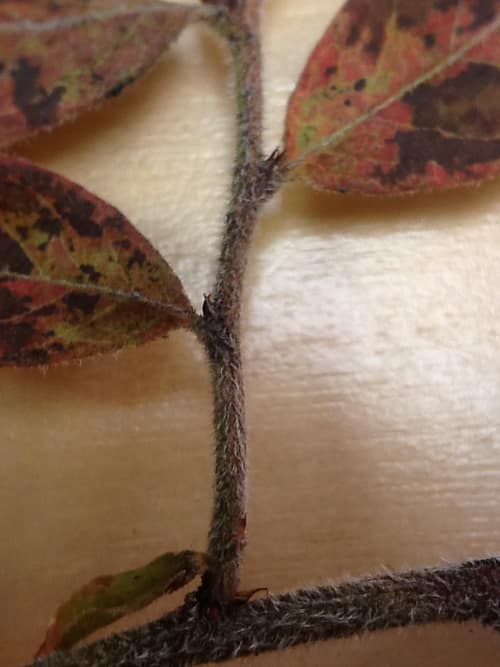
Close Relative (c) naturalist charlie, some rights reserved (CC BY), uploaded by naturalist charlie · cc-by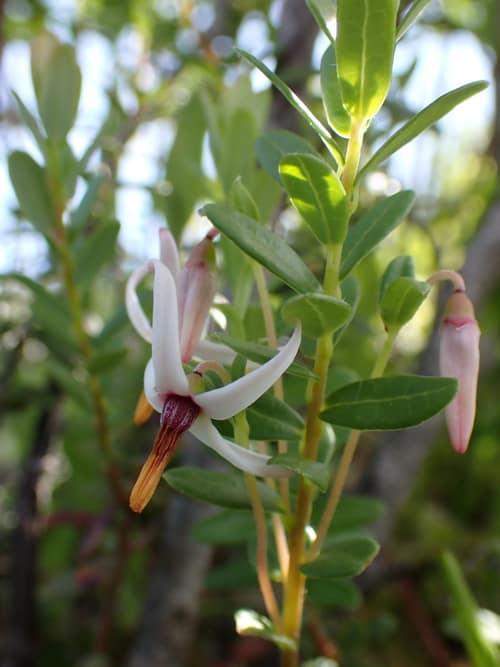
Close Relative (c) Taro Ietaka, some rights reserved (CC BY), uploaded by Taro Ietaka · cc-by
Help improve the field guideSomething wrong?
Checking your Fauna account…Report a name, category, or profile issue for review.