
Plant · GBIF taxon 2882708
Sourwood
Oxydendrum arboreumAlso known as Sorrel Tree, Lily-of-the-Valley Tree
Sourwood trees light up Appalachian understories with drooping sprays of fragrant, urn-shaped white flowers in midsummer. By autumn, their long pointed foliage transforms into brilliant shades of scarlet, crimson, and deep purple that contrast strikingly against persistent pale seed pods. Honeybees rely heavily on these late-season blossoms to produce a light, highly prized mono-floral nectar.
DeciduousFloweringFall Color
 1 / 7
1 / 7—observations
—countries
—peak records
Least ConcernConservation statusIUCN Red List categoriesLCNTVUENCREWEXLeast ConcernRed List categories, explained →
Diet & prey
- Autotrophic (photosynthetic)
Predators
- White-tailed Deer
- Insect Larvae
- Wood-boring Beetles
ThreatsHabitat fragmentation, severe drought, climate change
HabitatsOak-heath forests, rocky slopes, acid woodlands
Life span70 to 100+ years
Classification
- FamilyEricaceae
- SpeciesOxydendrum arboreum
Range data is not available yet.
Interaction riskLow
- Low
- Moderate
- High
- Very high
- Why interaction risk is low
- Safe to observe at a normal distance.
Responsible observation
- Fall Foliage: Look for brilliant crimson and purplish leaves along woodland edges in early autumn.
- Flower Identification: Look for drooping clusters of tiny white, urn-shaped flowers opening in mid-to-late summer.
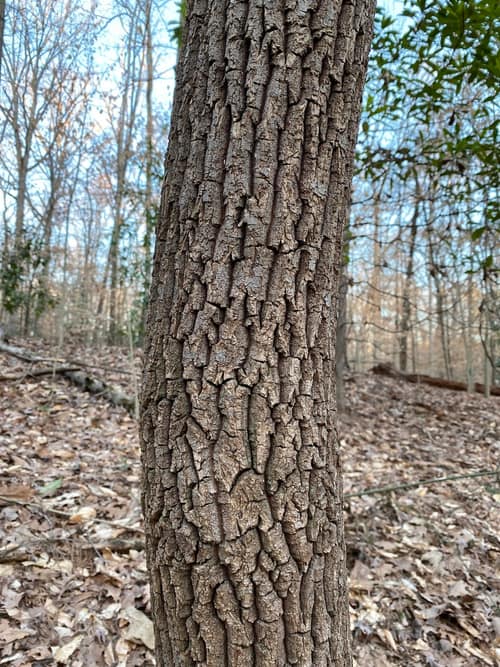
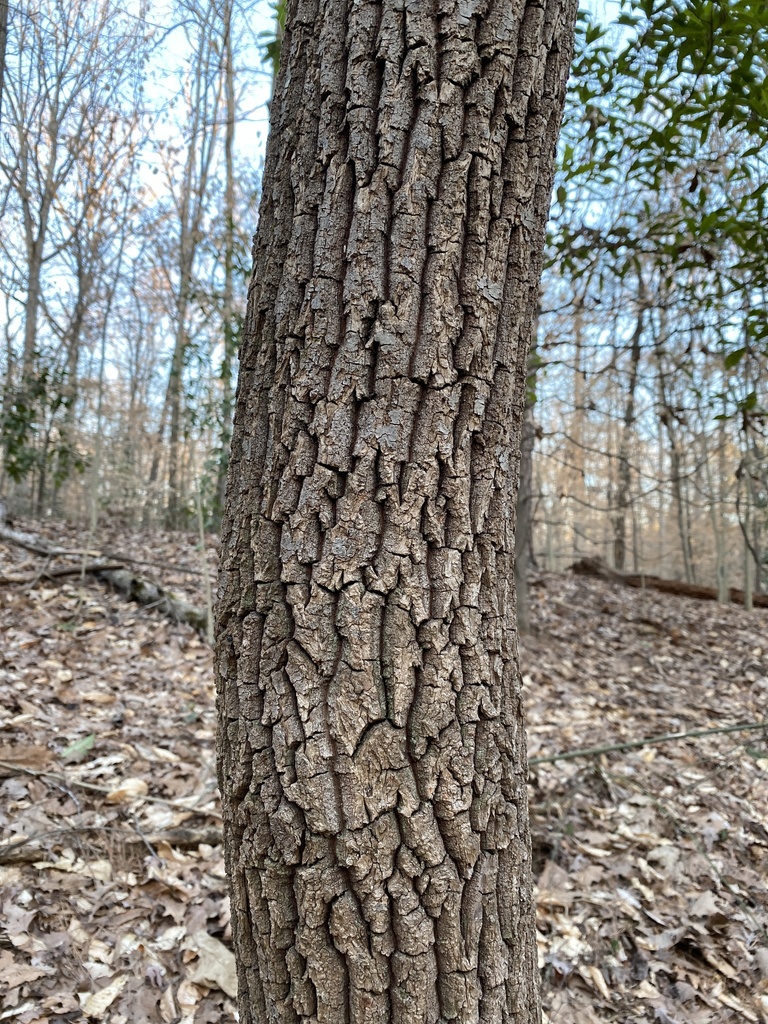
- Bark Pattern: Inspect mature trunks for deeply furrowed, grayish-brown bark with thick blocky ridges.
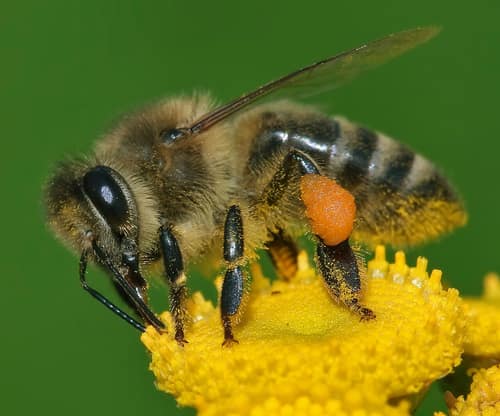
Pollinator Andreas Trepte / CC BY-SA 2.5 · cc-by-sa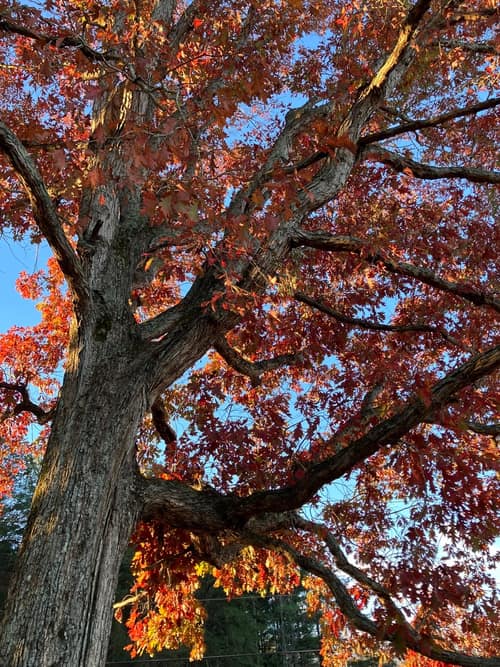
Forest Companion (c) Alicia Ballard, some rights reserved (CC BY) · cc-by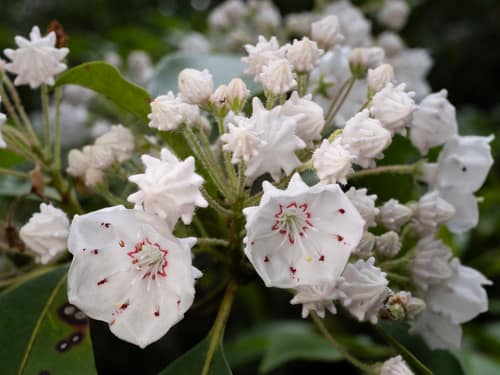
Close Relative (c) Alex Abair, some rights reserved (CC BY), uploaded by Alex Abair · cc-by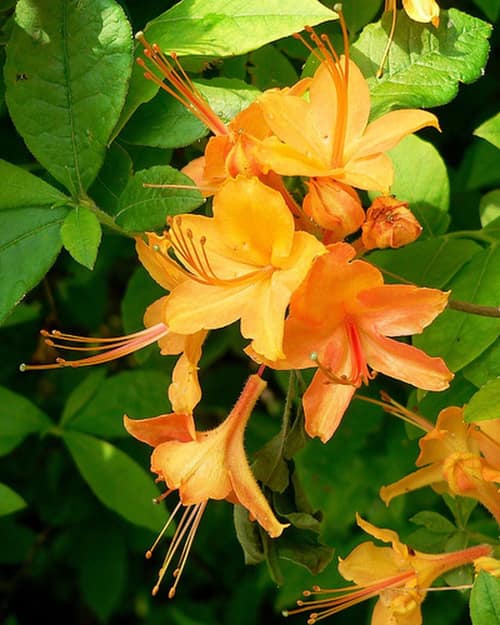
Close Relative User:Arx Fortis / CC BY 2.5 · cc-by
Help improve the field guideSomething wrong?
Checking your Fauna account…Report a name, category, or profile issue for review.