
Great Rhododendron
Rhododendron maximumAlso known as Great Laurel, Rosebay Rhododendron, American Rhododendron, Big Rhododendron
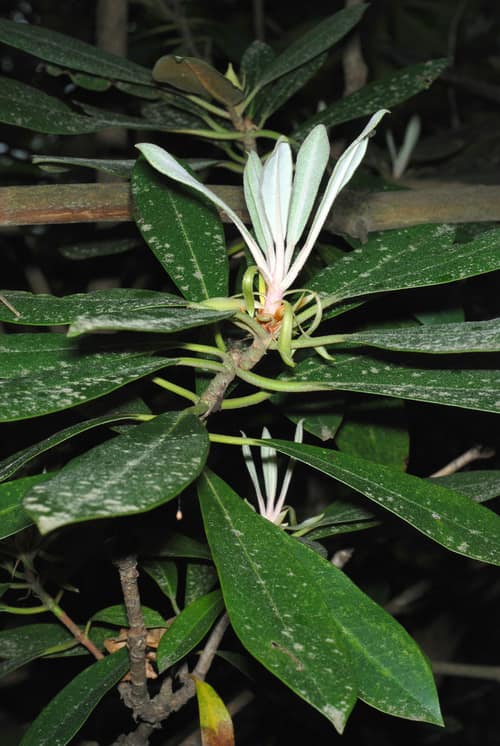
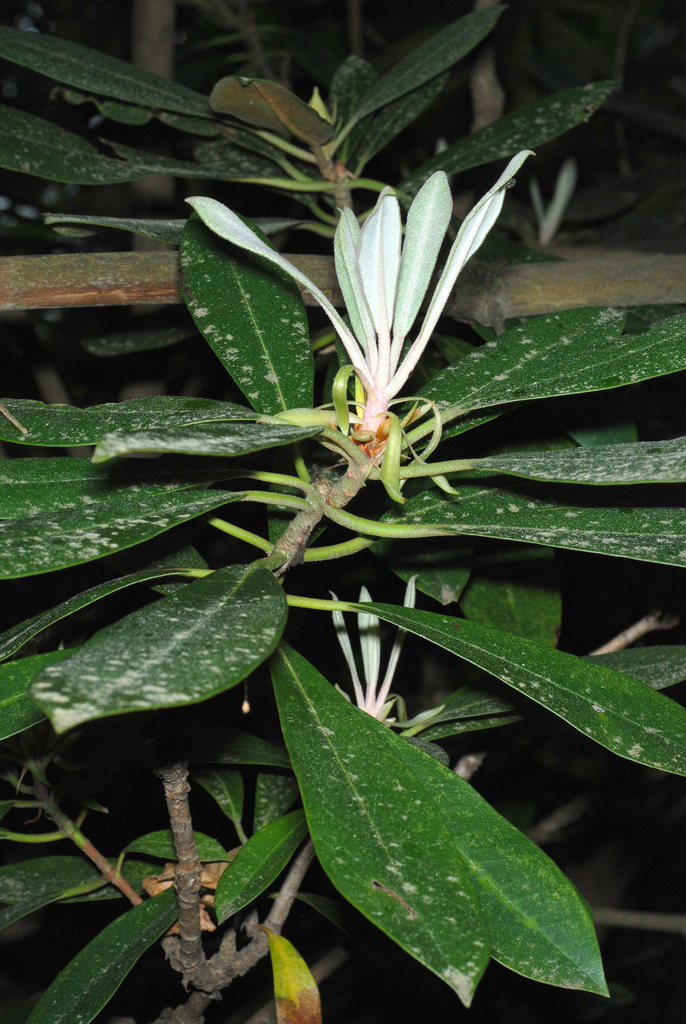
Great rhododendrons form dense evergreen thickets, known colloquially as rhododendron slicks or hells, that dominate the understory of cool Appalachian ravines and mountain streams. In summer, broad clusters of delicate white to pale pink bell-shaped flowers bloom against large, leathery dark green leaves that curl inward and droop tightly during freezing winter temperatures to reduce moisture loss. By shading the forest floor and acidifying the soil with deep leaf litter, these sprawling shrubs fundamentally shape the microclimate and structure of eastern hemlock and mixed hardwood ecosystems.
 1 / 7
1 / 7- Autotroph (photosynthesis)
Not available
- OrderEricales
- FamilyEricaceae
- GenusRhododendron
- SpeciesRhododendron maximum
- Low
- Moderate
- High
- Very high
- Why interaction risk is high
- All parts contain grayanotoxins; toxic to humans and pets if ingested, so observe without chewing leaves or flowers.
- Why it is dangerous
- All parts contain grayanotoxins, which disrupt cellular sodium channels and cause severe vomiting, slowed heart rate, and low blood pressure.
- How to recognize a risky encounter
- Look for large, leathery evergreen leaves up to 20 cm long and terminal clusters of white-to-pink spotted flowers.
- What to do
- Never consume any part of the plant or honey derived from its nectar; wash hands after pruning or handling crushed foliage.
- Winter Thermometer: Watch the thick leaves curl and droop vertically as temperatures plunge below freezing.
- Summer Blooms: Look for blooming flower trusses from late June through August in shaded riparian ravines.
- Trail Etiquette: Stay on designated footpaths to avoid trampling the dense, slow-growing root systems.
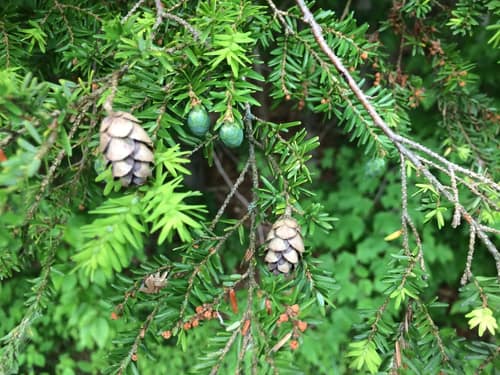
Frequent Companion (c) Ian Manning, some rights reserved (CC BY), uploaded by Ian Manning · cc-by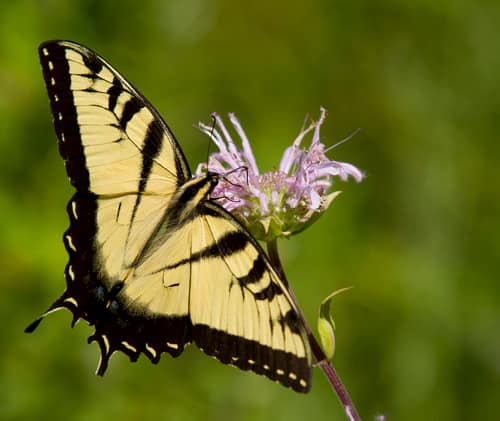
Pollinator "Eastern Tiger Swallowtail" by ShenandoahNPS is marked with Public Domain Mark 1.0. To view the terms, visit https://creativecommons.org/publicdomain/mark/1.0/. · cc0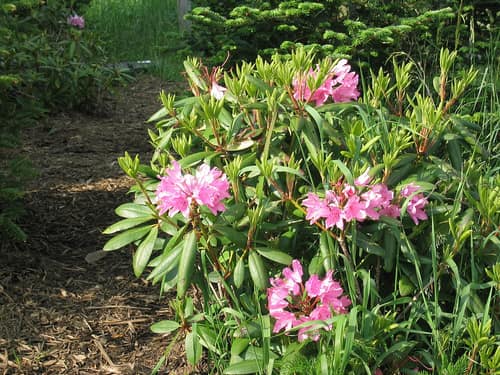
Close Relative No machine-readable author provided. Edgester assumed (based on copyright claims). / CC BY-SA 3.0 · cc-by-sa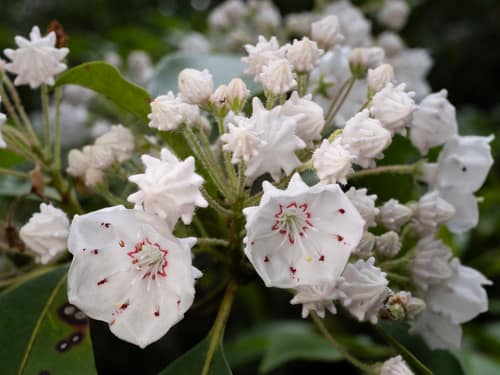
Same Family (c) Alex Abair, some rights reserved (CC BY), uploaded by Alex Abair · cc-by
Report a name, category, or profile issue for review.