
Plant
Sourwood
Oxydendrum arboreumAlso known as Sorrel Tree, Lily of the Valley Tree
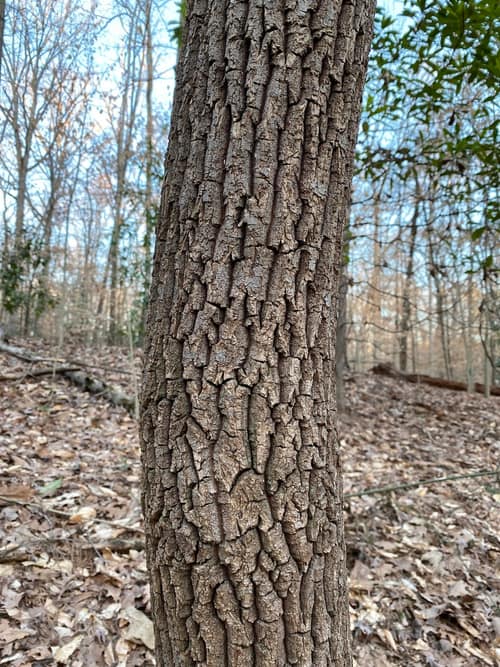
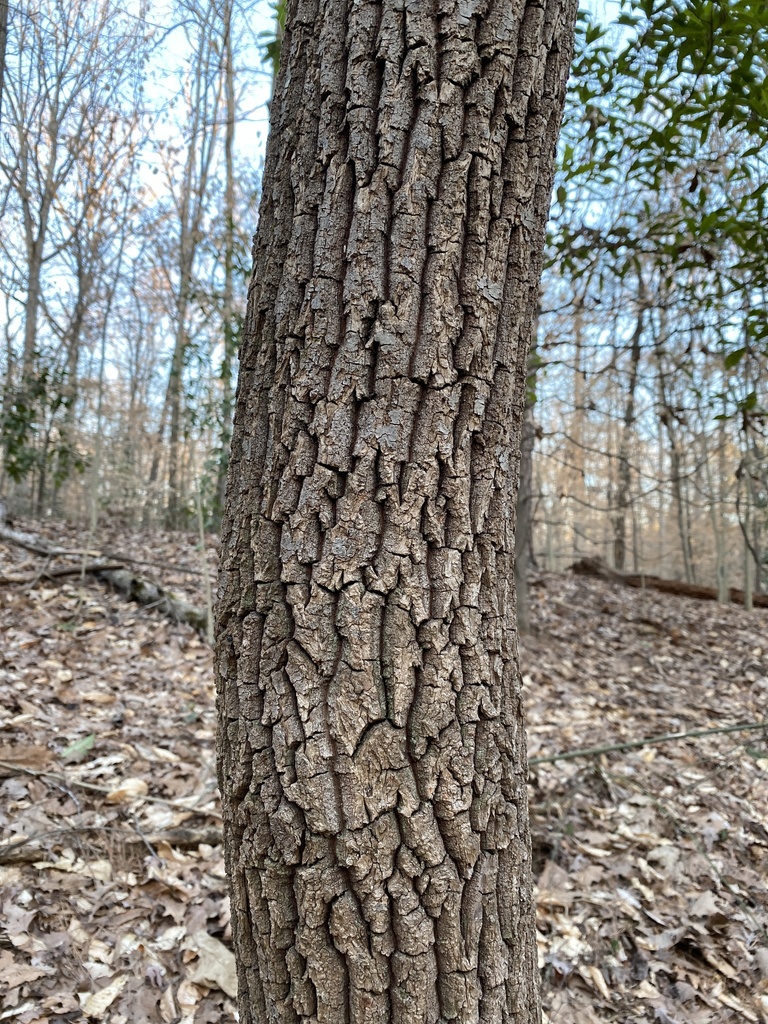
Sourwood stands out in deciduous canopies with its leaning trunks, deeply furrowed blocky bark, and glossy, peach-like leaves that turn brilliant crimson in early autumn. In midsummer, it produces one-sided, drooping sprays of fragrant, bell-shaped white blooms reminiscent of lily-of-the-valley, serving as a prized regional nectar source for honeybees. As an understory to mid-canopy tree native to acidic eastern slopes, it is the sole surviving species in its genus.
DeciduousFloweringAppalachian Native
—observations
—countries
—peak records
Least ConcernConservation statusIUCN Red List categoriesLCNTVUENCREWEXLeast ConcernRed List categories, explained →
Diet & preySunlight, Water, Soil nutrients
Predators
- White-tailed Deer
- Fall Webworm
- Eastern Tent Caterpillar
ThreatsHabitat fragmentation, severe drought, and competition from aggressive canopy trees
HabitatsOak-heath forests, rocky upland ridges, well-drained acidic slopes, and woodland margins
Life span100–150 years
Classification
- OrderEricales
- FamilyEricaceae
- GenusOxydendrum
- SpeciesOxydendrum arboreum
Range data is not available yet.
Interaction riskLow
- Low
- Moderate
- High
- Very high
- Why interaction risk is low
- Safe to observe at a normal distance.
Responsible observation
- Look for curved trunks: Sourwood often grows with a distinctive curved or leaning stem as it reaches toward canopy gaps.
- Examine midsummer sprays: Drooping floral racemes resemble fingers pointing downward and persist into winter as dry capsules.
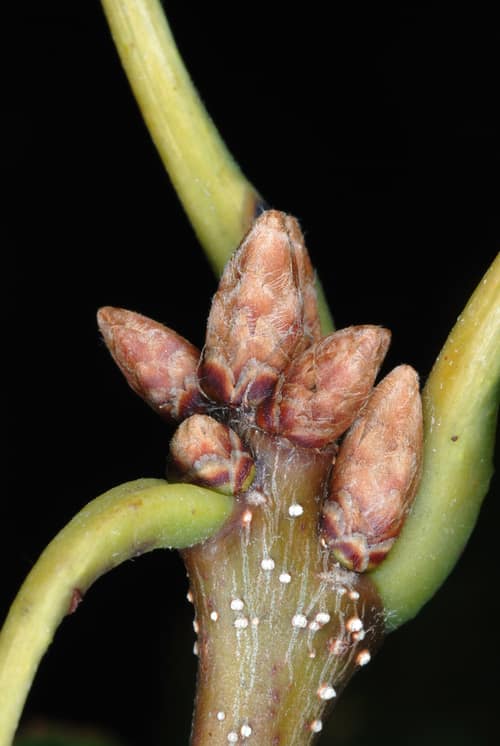
Frequent Companion (c) Douglas Goldman, some rights reserved (CC BY-SA), uploaded by Douglas Goldman · cc-by-sa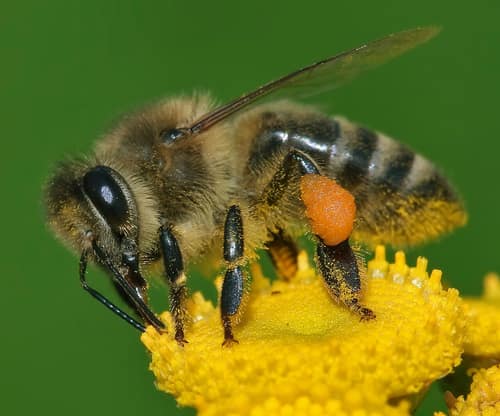
Pollinator Andreas Trepte / CC BY-SA 2.5 · cc-by-sa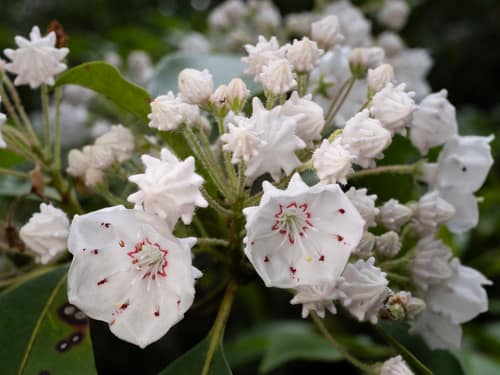
Same Family (c) Alex Abair, some rights reserved (CC BY), uploaded by Alex Abair · cc-by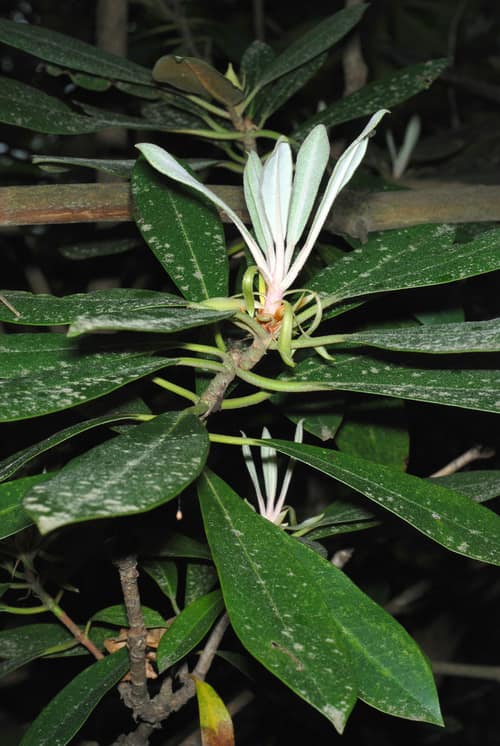
Same Family (c) Douglas Goldman, some rights reserved (CC BY-SA), uploaded by Douglas Goldman · cc-by-sa
Help improve the field guideSomething wrong?
Checking your Fauna account…Report a name, category, or profile issue for review.