
Plant · GBIF taxon 2881283
Downy Oak
Quercus pubescensAlso known as Pubescent Oak, Italian Oak
Downy oak thrives on warm, sunny limestone hillsides across southern Europe and southwestern Asia, easily distinguished by the soft, velvet-like hairs covering its twigs and leaf undersides. Leaves often persist through winter in a dried, pale brown state before dropping in spring when new growth emerges. Its extensive root system forms symbiotic relationships with subterranean fungi like black truffles, while providing critical habitat for abundant woodland wildlife.
DeciduousTreeMediterranean
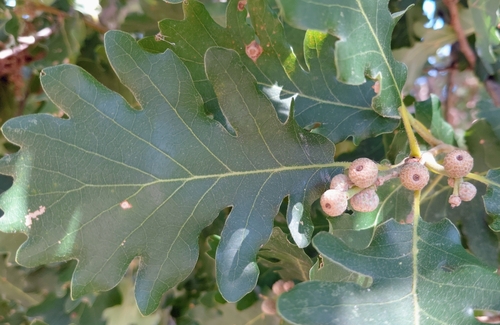
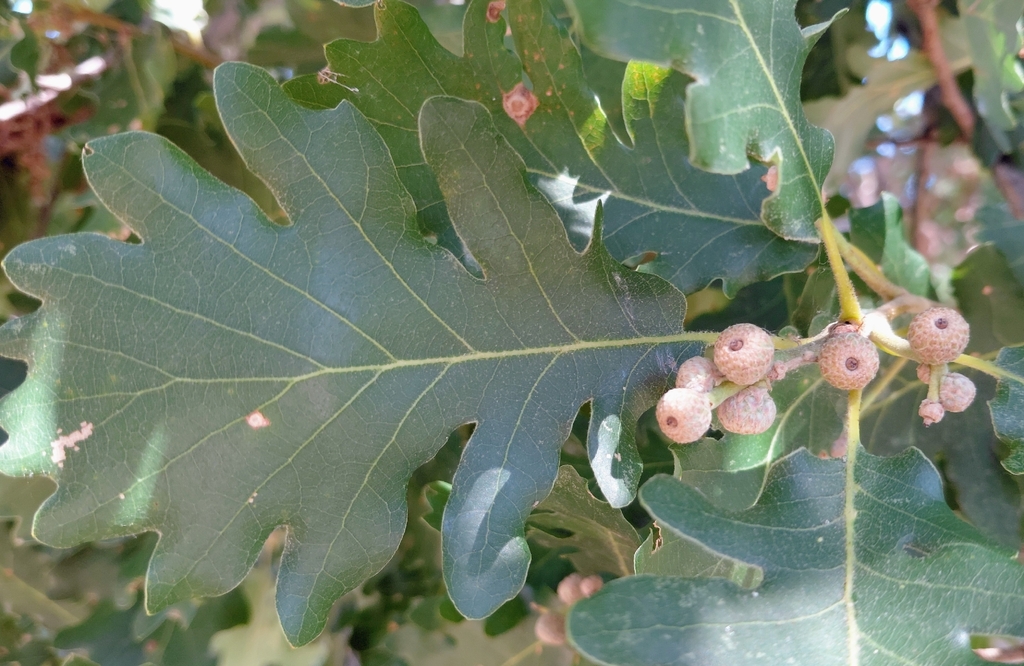
—observations
—countries
—peak records
Least ConcernConservation statusIUCN Red List categoriesLCNTVUENCREWEXLeast ConcernRed List categories, explained →
Diet & prey
- Autotrophic (Photosynthesis)
ThreatsSevere droughts, severe wildfire, habitat fragmentation
HabitatsDry oak woodlands, limestone slopes, sub-Mediterranean thickets
Life span200–500 years
Classification
- FamilyFagaceae
- SpeciesQuercus pubescens
Range data is not available yet.
Interaction riskLow
- Low
- Moderate
- High
- Very high
- Why interaction risk is low
- Safe to observe at a normal distance.
Responsible observation
- Foliage Check: Feel for the distinctive soft, fuzzy underside on young leaves and twigs.
- Seasonal Timing: Look for dead, marcescent leaves clinging to branches late into winter.
- Habitat Search: Seek out sun-exposed limestone slopes and dry open woodlands.
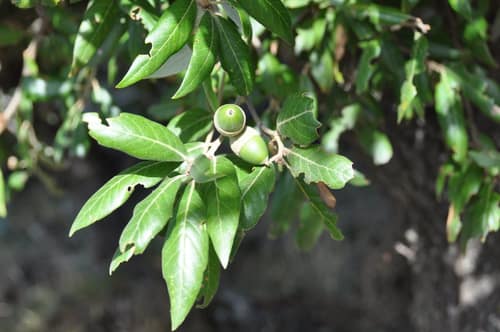
Habitat Companion Flickr / CC BY 2.0 · CC BY 2.0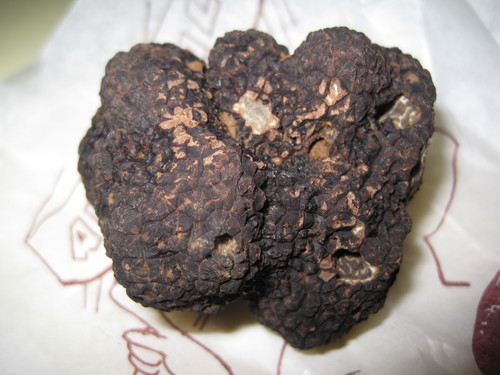
Symbiont (c) Sean Gillies, some rights reserved (CC BY-SA) · cc-by-sa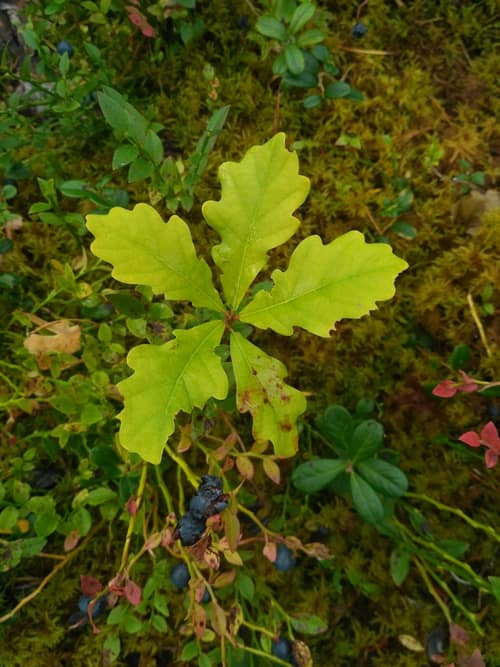
Close Relative (c) Natalya Ivanova, some rights reserved (CC BY) · cc-by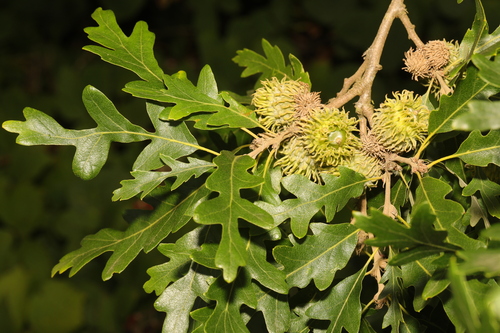
Close Relative no rights reserved, uploaded by Stephen James McWilliam · cc0
Help improve the field guideSomething wrong?
Checking your Fauna account…Report a name, category, or profile issue for review.