
Plant · GBIF taxon 2880967
Southern Red Oak
Quercus falcataAlso known as Spanish Oak, Three-Lobed Red Oak
Southern red oaks dominate dry, sandy uplands across the southeastern region, casting broad shade beneath variable leaves with bell-shaped bases. Their heavy crops of small, tannic acorns mature every two years, feeding turkeys, deer, and blue jays throughout winter. Deep taproots anchor these long-lived trees against severe storm winds while their thick, furrowed bark provides resilience against ground fires.
DeciduousTreeNative
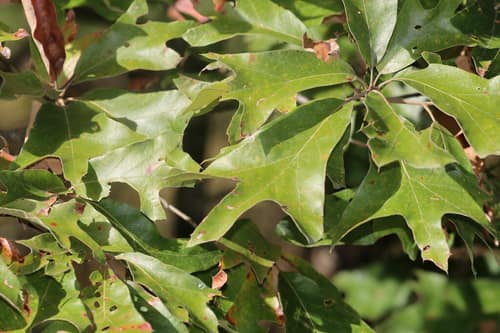
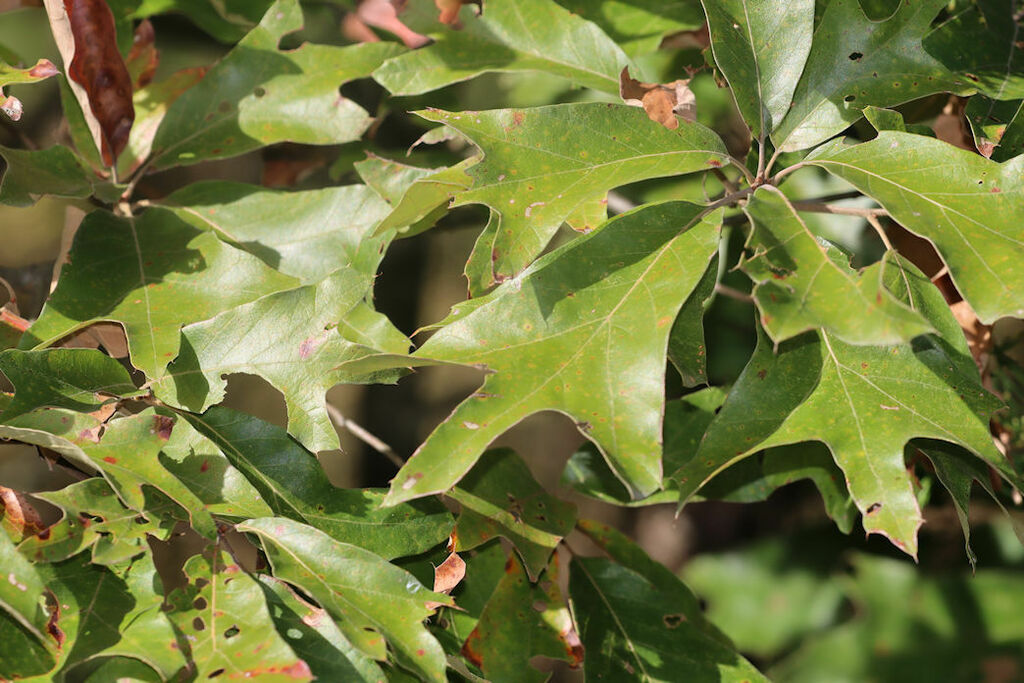 1 / 7
1 / 7—observations
—countries
—peak records
Least ConcernConservation statusIUCN Red List categoriesLCNTVUENCREWEXLeast ConcernRed List categories, explained →
Diet & prey
- Sunlight
- Water
- Soil Minerals
Predators
- Oak Wilt Fungus
- Spongy Moth
- Acorn Weevils
ThreatsOak wilt, extreme drought, habitat fragmentation, invasive insects
HabitatsUpland oak-hickory forests, sandy ridges, well-drained bottomlands
Life span150–250 years
Classification
- OrderFagales
- FamilyFagaceae
- GenusQuercus
- SpeciesQuercus falcata
Range data is not available yet.
Interaction riskLow
- Low
- Moderate
- High
- Very high
- Why interaction risk is low
- Safe to observe at a normal distance.
Responsible observation
- Leaf shape observation: Look for variable leaves with 3 to 7 bristle-tipped lobes and a distinct bell-shaped base.
- Fall foliage spotting: Watch for dark copper-red leaves that cling to lower branches late into autumn.
- Bark identification: Examine the dark, deeply furrowed bark with orange-brown inner fissures.
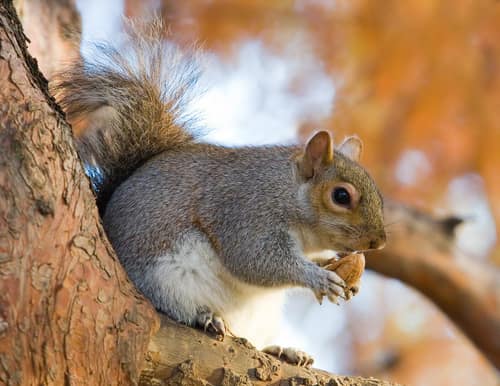
Seed Disperser (c) Diliff, some rights reserved (CC BY-SA) · cc-by-sa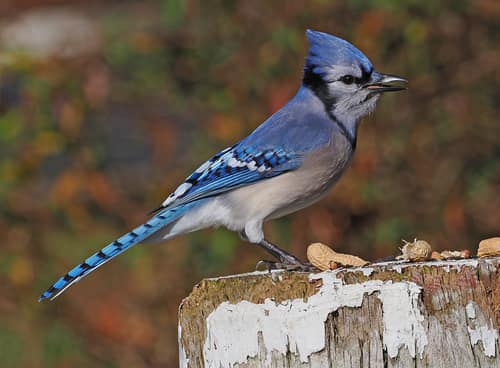
Seed Disperser (c) Judy Gallagher, some rights reserved (CC BY) · cc-by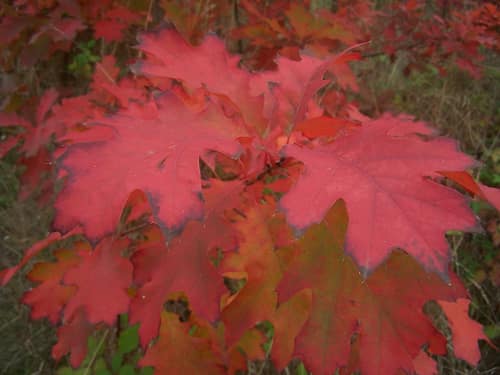
Close Relative no rights reserved · cc0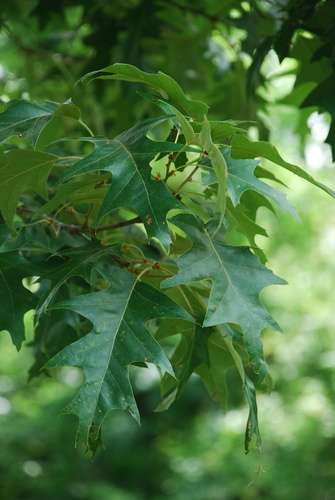
Close Relative (c) Douglas Goldman, some rights reserved (CC BY-SA), uploaded by Douglas Goldman · cc-by-sa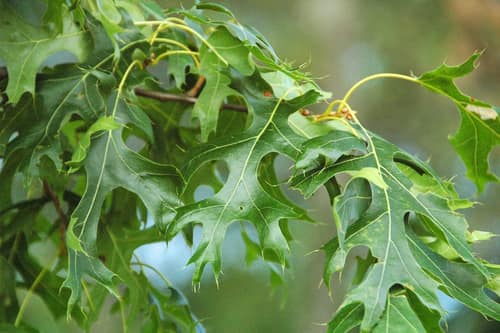
Close Relative James St. John / CC BY 2.0 · CC BY 2.0
Keep collecting in Fauna
Found in Collections
Ecosystem chain
The Forest Floor
Southern Red Oak is found in this collection. Identify it in Fauna to fill this slot and continue your progress.
—/12
Help improve the field guideSomething wrong?
Checking your Fauna account…Report a name, category, or profile issue for review.