Willow oaks stand out among North American oaks due to their slender, bristle-tipped leaves that resemble willow foliage rather than traditional lobed oak leaves. Thriving in the wet soils of southern bottomland forests and floodplains, mature trees produce copious annual crops of miniature acorns that serve as a crucial food reservoir for overwintering waterfowl and small mammals. Their rapid growth rate, broad canopy, and surprising tolerance for compacted urban soil have also made them one of the most widely planted shade trees across eastern cities.
ThreatsUrban development, altered wetland hydrology, and oak wilt fungal infection
HabitatsBottomland hardwood forests, floodplains, riverbanks, and moist upland terraces
Life span100–150 years
Classification
OrderFagales
FamilyFagaceae
GenusQuercus
SpeciesQuercus phellos
Range & activity
Range data is not available yet.
Safe observation
Interaction riskHigh
Low
Moderate
High
Very high
Why interaction risk is high
Acorns and leaves contain tannins that are toxic to dogs and horses if ingested; safe to observe.
Why it is dangerous
Tannins present in the acorns, buds, and young foliage can cause severe gastrointestinal distress and kidney damage in dogs and livestock when consumed in volume.
How to recognize a risky encounter
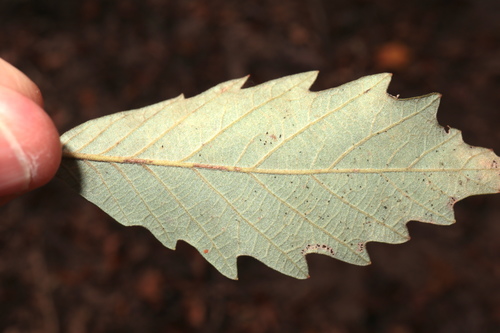
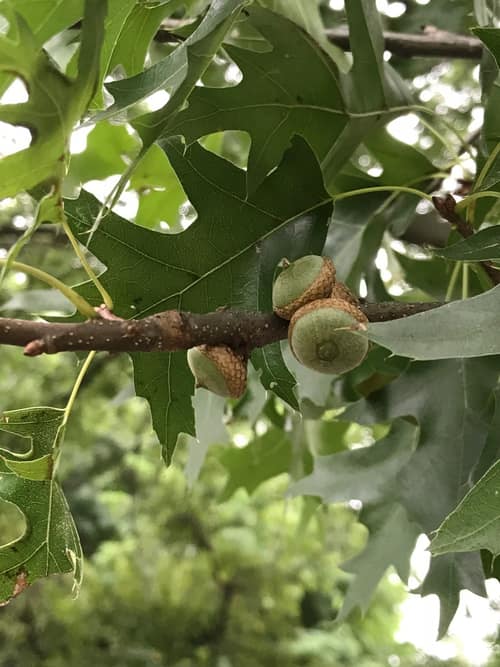
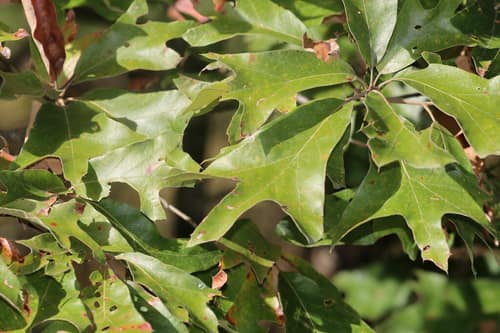
Easily identified by its alternate, lance-shaped leaves without lobes, accompanied by small acorns under 1.5 cm across seated in shallow saucers.
What to do
Prevent dogs, horses, and cattle from grazing on fallen acorns or browsing branches in pastures.
Responsible observation
Leaf Inspection: Look closely for smooth, narrow leaf margins with a tiny bristle point at the tip to distinguish it from true willows.
Nut Hunting: Check beneath the canopy in late autumn to discover the unusually small, saucer-capped acorns favored by wildlife.
Urban Observation: Notice how well established street trees tolerate paved surrounds and compacted clay while providing broad cooling shade.