
Plant · GBIF taxon 2880130
Sessile Oak
Quercus petraeaAlso known as Welsh Oak, Cornish Oak, Irish Oak, Durmast Oak
Sessile oaks dominate acidic highland woodlands across Europe, distinguished by stalkless acorns perched directly on twigs and leaves held on distinct petioles. These long-lived trees host hundreds of insect species, forming the structural backbone of temperate ancient woodlands. In autumn, their foliage turns rich hues of copper and gold before dropping to form thick leaf litter.
DeciduousHardwoodAncient Woodland
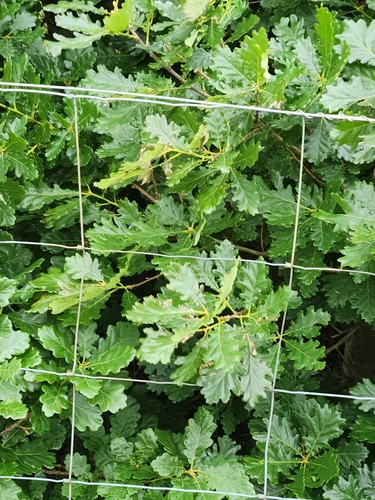
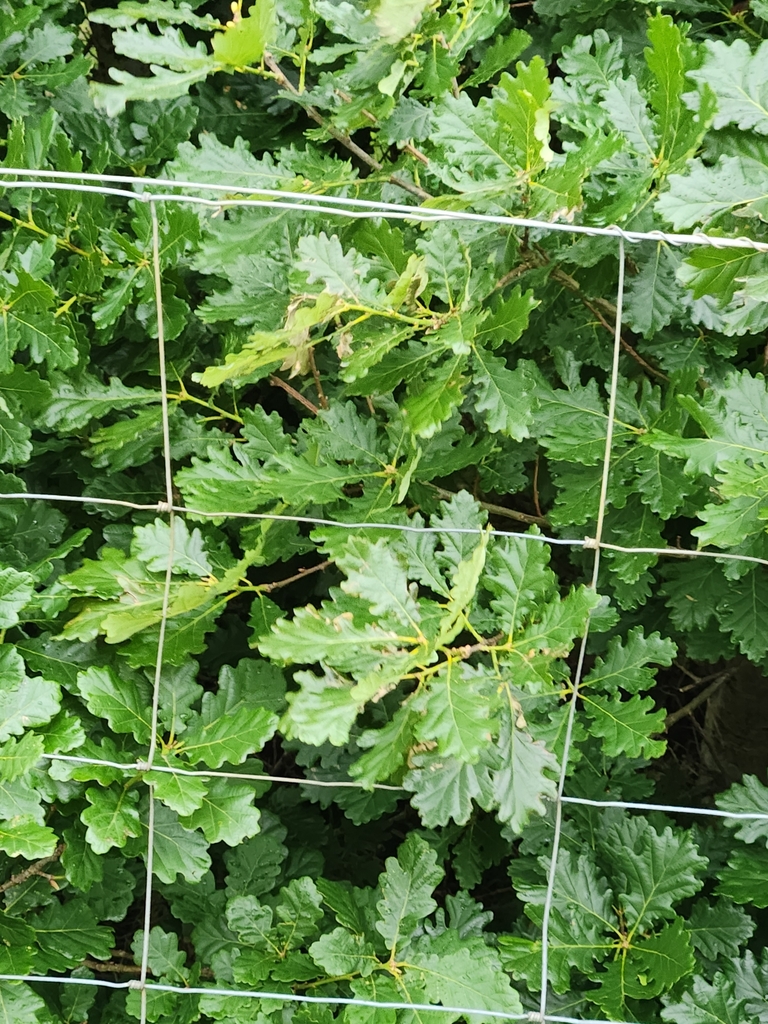
—observations
—countries
—peak records
Least ConcernConservation statusIUCN Red List categoriesLCNTVUENCREWEXLeast ConcernRed List categories, explained →
Diet & prey
- Autotrophic (Photosynthesis)
Predators
- Eurasian Jay
- Grey Squirrel
- Wood Mouse
ThreatsOak decline, climate change, overgrazing by high deer populations
HabitatsUpland deciduous forests, acidic woodlands, rocky hillsides
Life span300–1,000 years
Size / weightNot available
Classification
- FamilyFagaceae
- SpeciesQuercus petraea
Range data is not available yet.
Interaction riskLow
- Low
- Moderate
- High
- Very high
- Why interaction risk is low
- Safe to observe at a normal distance.
Responsible observation
- Leaf Identification: Look for leaves with distinct stems paired with stalkless acorns directly on twigs.
- Woodland Spotting: Search for straight trunks in upland, well-draining acidic soils where lowland oaks are less common.
- Canopy Wildlife: Scan upper branches during late spring for specialized oak-dwelling caterpillars and songbirds.
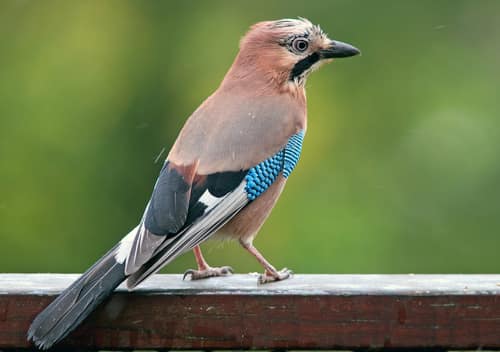
Seed Disperser (c) Luc Viatour, some rights reserved (CC BY-SA) · cc-by-sa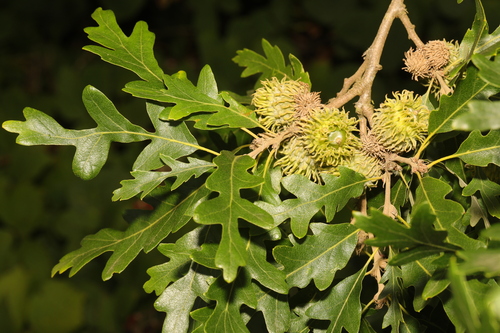
Competitor no rights reserved, uploaded by Stephen James McWilliam · cc0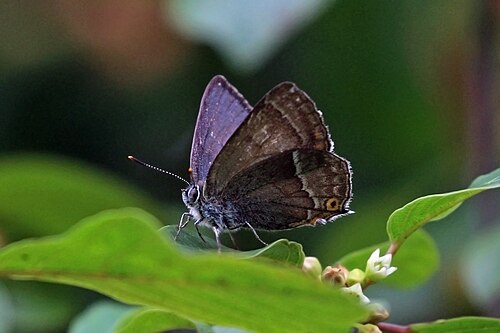
Host Insect Charles J. Sharp / CC BY-SA 4.0 · cc-by-sa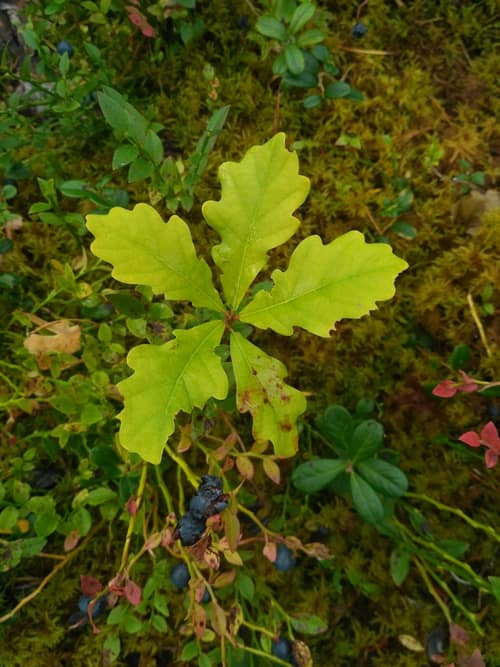
Close Relative (c) Natalya Ivanova, some rights reserved (CC BY) · cc-by
Help improve the field guideSomething wrong?
Checking your Fauna account…Report a name, category, or profile issue for review.