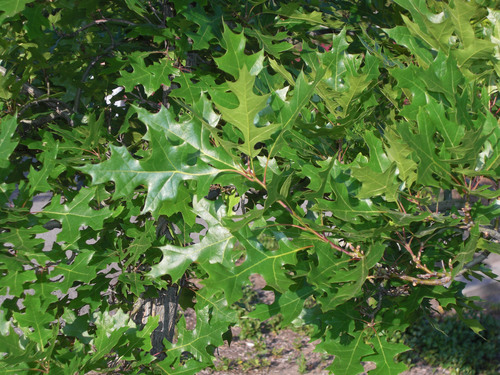
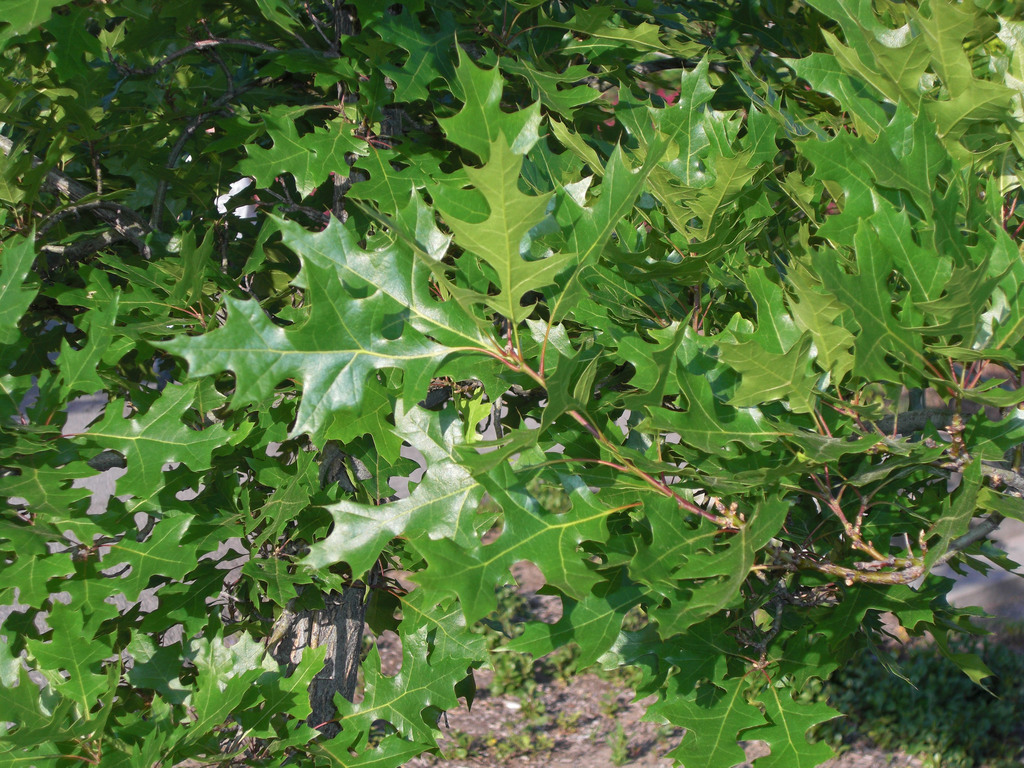
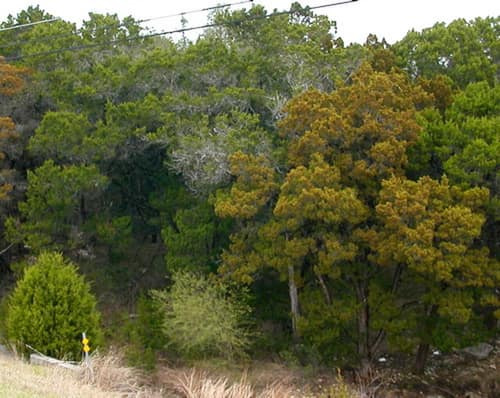
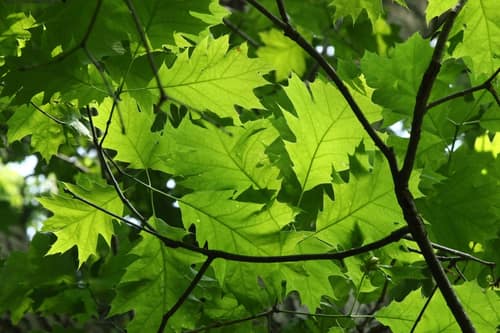
Buckley's oak is a compact, drought-tolerant deciduous tree that thrives on the limestone ridges and canyon slopes of central Texas and southern Oklahoma. Its deeply lobed leaves turn vibrant shades of scarlet, crimson, and copper late in autumn, providing some of the most striking fall color in the southern plains. Multiple slender trunks often sprout from a shared root crown, helping the tree endure thin soils, periodic brushfires, and severe summer droughts.
Photoautotrophic (absorbs sunlight, water, and soil minerals)
Predators
White-tailed Deer
Golden-fronted Woodpecker
Two-lined Chestnut Borer
ThreatsOak wilt fungal infection, overgrazing of saplings by deer, and habitat clearing
HabitatsLimestone hills, rocky ridges, canyon sides, and dry creek beds
Life span100–150 years
Size / weightNot available
Classification
FamilyFagaceae
SpeciesQuercus buckleyi
Range & activity
Range data is not available yet.
Safe observation
Interaction riskHigh
Low
Moderate
High
Very high
Why interaction risk is high
Acorns and leaves contain tannins toxic to dogs, cattle, and horses if ingested.
Why it is dangerous
Leaves, buds, and acorns contain gallotannins and tannic acid, which cause gastrointestinal upset and kidney damage in horses, cattle, and dogs when chewed.
How to recognize a risky encounter
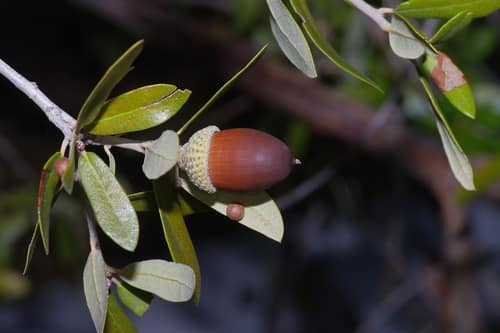
Look for deeply lobed leaves with bristle-tipped teeth and small, round acorns capped by a shallow, scaly cup.
What to do
Keep grazing livestock and curious pets away from fallen acorns and fresh branch clippings.
Responsible observation
Pruning Season: Avoid trimming branches between February and July to prevent oak wilt transmission.
Identification Clue: Look for small tufts of hair in the leaf vein axils on the pale underside.
Landscape Use: Plant in well-drained alkaline soils for reliable scarlet autumn foliage.