
Plant
White Oak
Quercus albaAlso known as Forked-Leaf White Oak, Stave Oak
White oaks dominate mature eastern North American hardwood forests, recognized by their pale gray, scaly bark and deeply lobed leaves with rounded tips. A single majestic tree can produce tens of thousands of sweet acorns during masting years, fueling entire forest ecosystems from blue jays to black bears. Highly rot-resistant wood and immense longevity make this species an ecological anchor and a historic symbol of resilience.
DeciduousHardwoodLong-Lived
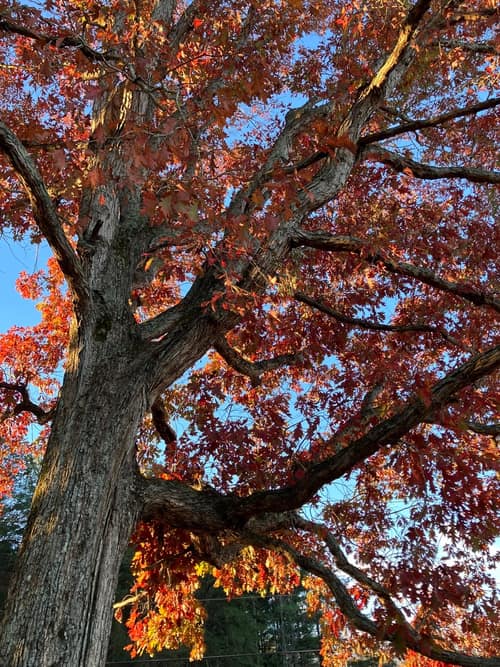

—observations
—countries
—peak records
Least ConcernConservation statusIUCN Red List categoriesLCNTVUENCREWEXLeast ConcernRed List categories, explained →
Diet & preyAutotrophic (Photosynthesis)
Predators
- Eastern Grey Squirrel
- White-Tailed Deer
- Spongy Moth
ThreatsOak wilt, spongy moth infestations, habitat fragmentation
HabitatsUpland forests, valleys, and well-drained slopes
Life span300–500 years
Classification
- OrderFagales
- FamilyFagaceae
- GenusQuercus
- SpeciesQuercus alba
Range data is not available yet.
Interaction riskLow
- Low
- Moderate
- High
- Very high
- Why interaction risk is low
- Safe to observe at a normal distance.
Responsible observation
- Leaf Identification: Look for leaves with 7 to 9 smooth, rounded lobes that lack bristle tips.
- Acorn Spotting: Scan the forest floor in autumn during mast years to find cap-ringed nuts.
- Bark Inspection: Note the light ash-gray bark that forms soft, overlapping vertical scales.
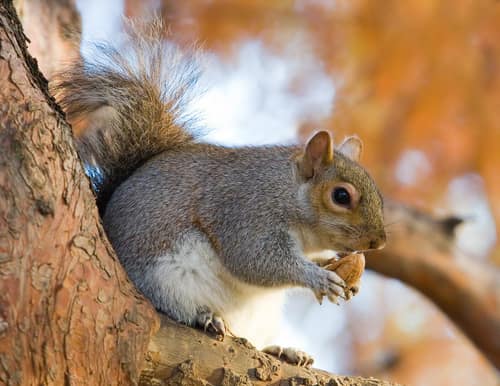
Seed Disperser (c) Diliff, some rights reserved (CC BY-SA) · cc-by-sa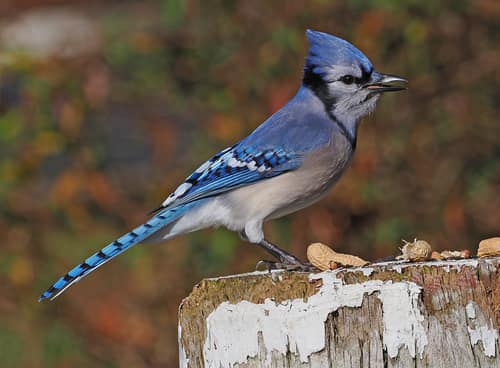
Seed Disperser (c) Judy Gallagher, some rights reserved (CC BY) · cc-by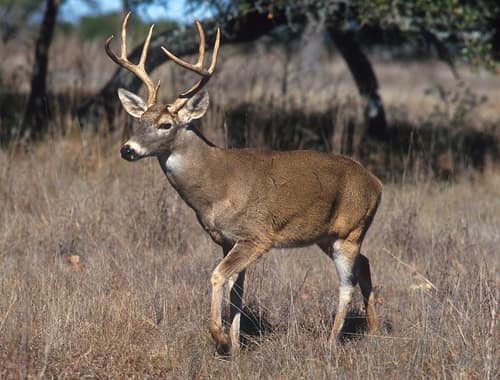
Herbivore USDA photo by Scott Bauer / Public domain · cc0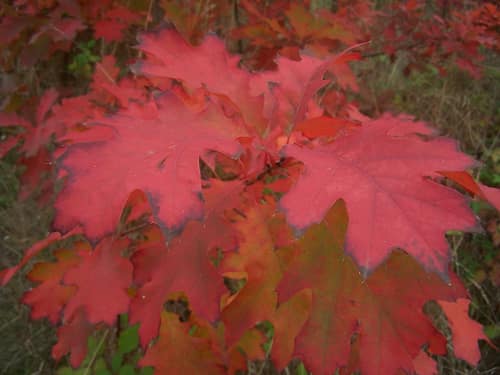
Close Relative no rights reserved · cc0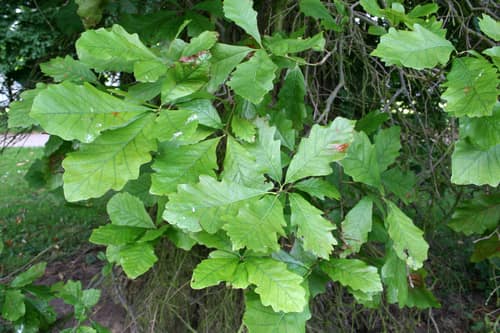
Close Relative (c) Jean-Pol GRANDMONT, some rights reserved (CC BY-SA) · cc-by-sa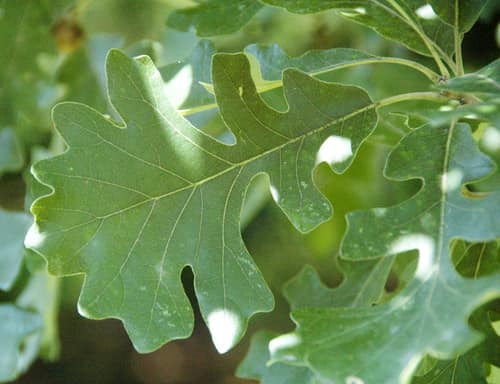
Close Relative James St. John / CC BY 2.0 · CC BY 2.0
Keep collecting in Fauna
Found in Collections
Ecosystem chain
The Forest Floor
White Oak is found in this collection. Identify it in Fauna to fill this slot and continue your progress.
—/12
Help improve the field guideSomething wrong?
Checking your Fauna account…Report a name, category, or profile issue for review.