
Plant · GBIF taxon 2879260
Oregon White Oak
Quercus garryanaAlso known as Garry Oak, Oregon Oak
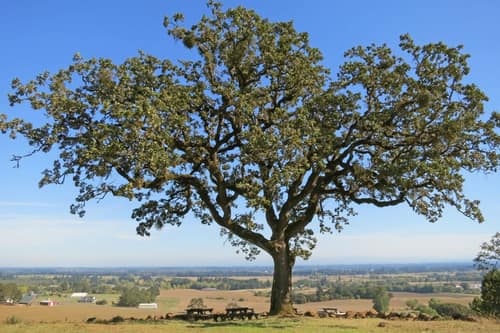
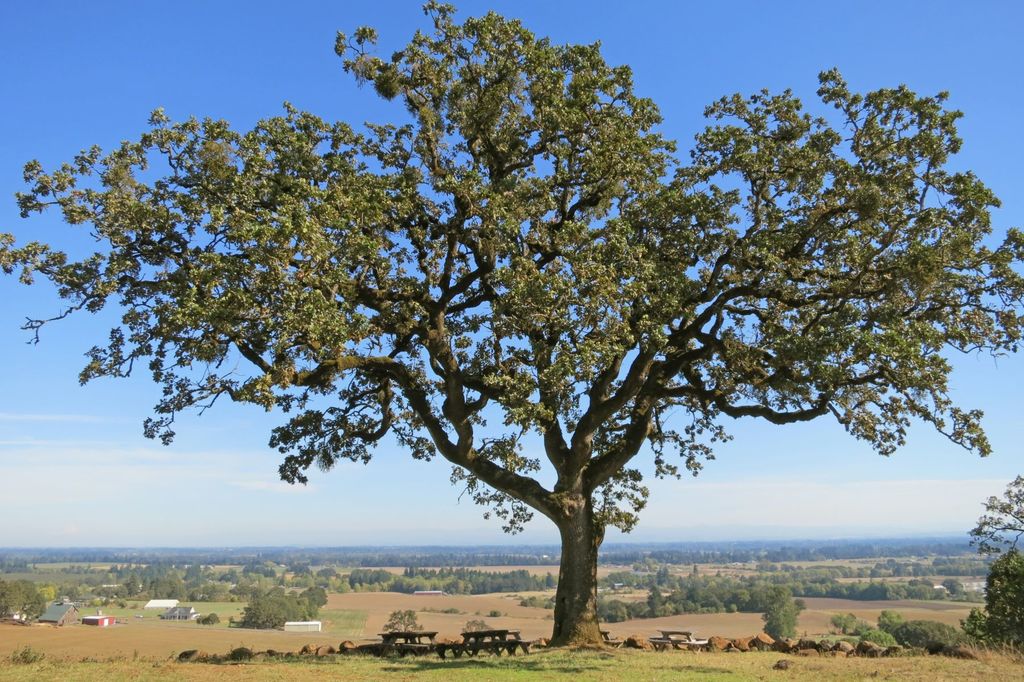
Oregon white oak shapes the iconic savanna landscapes of the Pacific Northwest with its deeply furrowed gray bark and gnarled, spreading branches. Its thick, leathery leaves feature rounded lobes that turn golden brown in autumn, shedding to reveal a rugged winter silhouette adapted to summer droughts. As an ecological anchor, a single mature tree supports hundreds of native insect, bird, and mammal species throughout its multi-century lifespan.
Keystone SpeciesDeciduousPacific Northwest
 1 / 7
1 / 7—observations
—countries
—peak records
Least ConcernConservation statusIUCN Red List categoriesLCNTVUENCREWEXLeast ConcernRed List categories, explained →
Diet & prey
- Sunlight
- Water
- Soil minerals
Predators
Not available
ThreatsHabitat fragmentation, fire suppression, invasive species competition, sudden oak death
HabitatsOak savannas, dry rocky slopes, coastal bluffs, mixed woodland borders
Life span200–500 years
Size / weightNot available
Classification
- OrderFagales
- FamilyFagaceae
- GenusQuercus
- SpeciesQuercus garryana
Range data is not available yet.
Interaction riskLow
- Low
- Moderate
- High
- Very high
- Why interaction risk is low
- Safe to observe at a normal distance.
- What to notice
- Recognize by open savanna growth forms, deeply lobed leaves, and abundant lichen hanging from old limbs.
- Support conservation
- Stay on designated trails to avoid crushing sensitive native understory wildflowers growing beneath the drip line.
Responsible observation
- Identification: Look for deep, rounded leaf lobes and thick, grey, scaly bark ridges.
- Observation: Search for acorns attached to short twigs in late summer and autumn.
- Habitat care: Avoid compacting soil beneath the outer canopy edge where delicate roots feed.
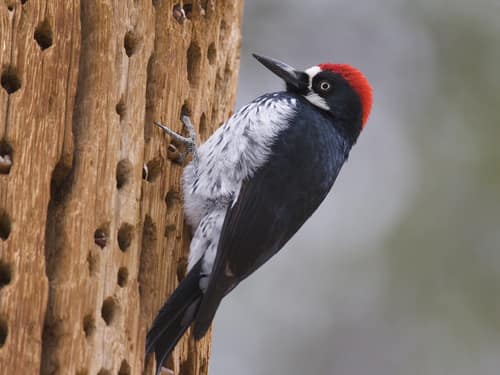
Symbiont (c) Dmitry Mozzherin, some rights reserved (CC BY) · cc-by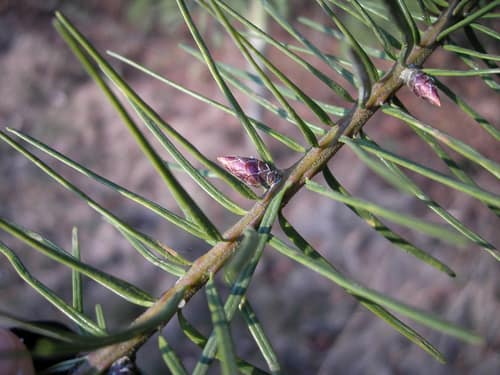
Competitor (c) Danny Steaven, some rights reserved (CC BY-SA) · cc-by-sa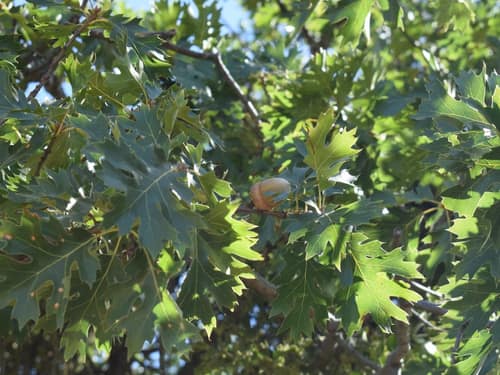
Close Relative no rights reserved, uploaded by Anne Parsons · cc0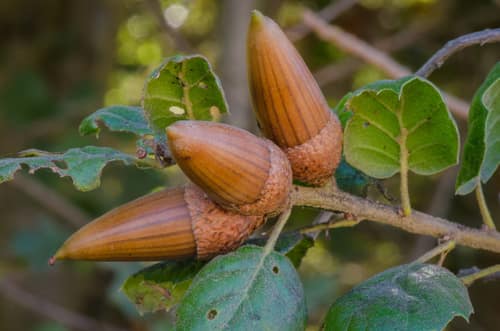
Close Relative (c) Franco Folini, some rights reserved (CC BY-SA) · cc-by-sa
Keep collecting in Fauna
Found in Collections
Ecosystem chain
The Forest Floor
Oregon White Oak is found in this collection. Identify it in Fauna to fill this slot and continue your progress.
—/12
Help improve the field guideSomething wrong?
Checking your Fauna account…Report a name, category, or profile issue for review.