
Plant
Southern Live Oak
Quercus virginianaAlso known as Live Oak, Virginia Live Oak
Southern live oaks form sprawling, horizontal canopies draped in Spanish moss that define the coastal landscapes of the American South. Their thick, leathery leaves remain green through the winter until dropping briefly in early spring just as new growth emerges. The massive lower limbs often dip all the way to the ground, providing vital roosting habitat, shade, and acorn crops for coastal wildlife.
EvergreenIconic TreeShade Tree
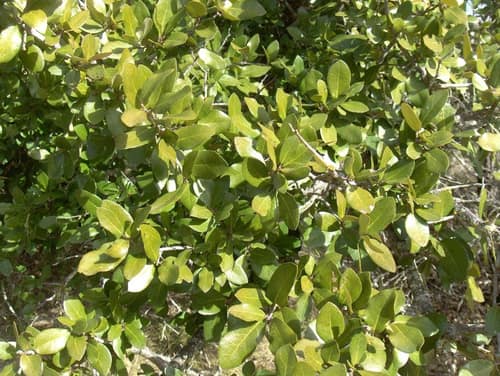

—observations
—countries
—peak records
Least ConcernConservation statusIUCN Red List categoriesLCNTVUENCREWEXLeast ConcernRed List categories, explained →
Diet & preySunlight, Water, Soil Nutrients
Predators
- Oak Wilt Fungus
- Gall Wasps
- Acorn Weevils
ThreatsOak wilt fungus, habitat fragmentation, coastal development, severe storm surges
HabitatsMaritime forests, coastal plains, hardwood hammocks, sandy soils
Life span200–500+ years
Classification
- OrderFagales
- FamilyFagaceae
- GenusQuercus
- SpeciesQuercus virginiana
Range data is not available yet.
Interaction riskLow
- Low
- Moderate
- High
- Very high
- Why interaction risk is low
- Safe to observe at a normal distance.
Responsible observation
- Give Limbs Space: Avoid climbing on old horizontal branches, as heavy foot traffic can damage bark and spread pathogens.
- Watch for Epiphytes: Look along major limbs for Spanish moss and resurrection fern thriving in the humid microclimate.
- Check for Acorns: Scan the canopy in late autumn to see small, dark brown acorns prized by deer and squirrels.
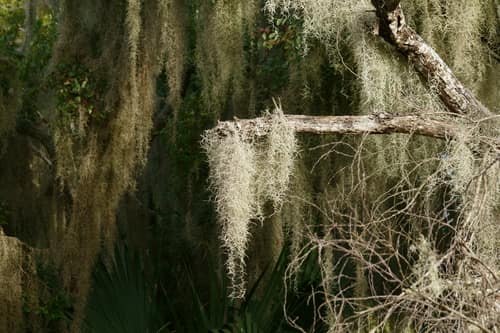
Epiphyte Companion (c) psweet, some rights reserved (CC BY-SA), uploaded by psweet · cc-by-sa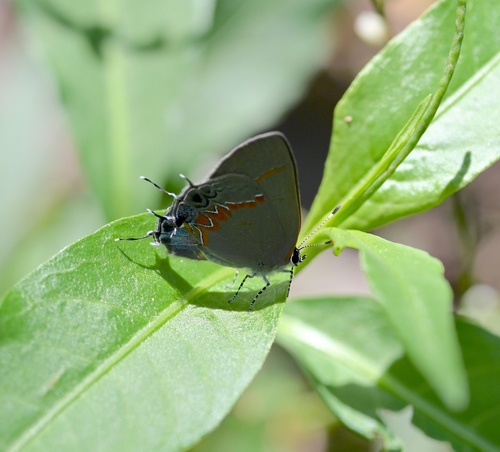
Host Plant (c) Amber M. King, some rights reserved (CC BY) · cc-by
Epiphyte Companion (c) Douglas Goldman, some rights reserved (CC BY-SA), uploaded by Douglas Goldman · cc-by-sa
Close Relative (c) Douglas Goldman, some rights reserved (CC BY-SA), uploaded by Douglas Goldman · cc-by-sa
Close Relative (c) Douglas Goldman, some rights reserved (CC BY-SA), uploaded by Douglas Goldman · cc-by-sa
Keep collecting in Fauna
Found in Collections
Ecosystem chain
The Forest Floor
Southern Live Oak is found in this collection. Identify it in Fauna to fill this slot and continue your progress.
—/12
Help improve the field guideSomething wrong?
Checking your Fauna account…Report a name, category, or profile issue for review.