
Plant · GBIF taxon 2876176
Red Alder
Alnus rubraAlso known as Oregon Alder, Western Alder, Pacific Coast Alder
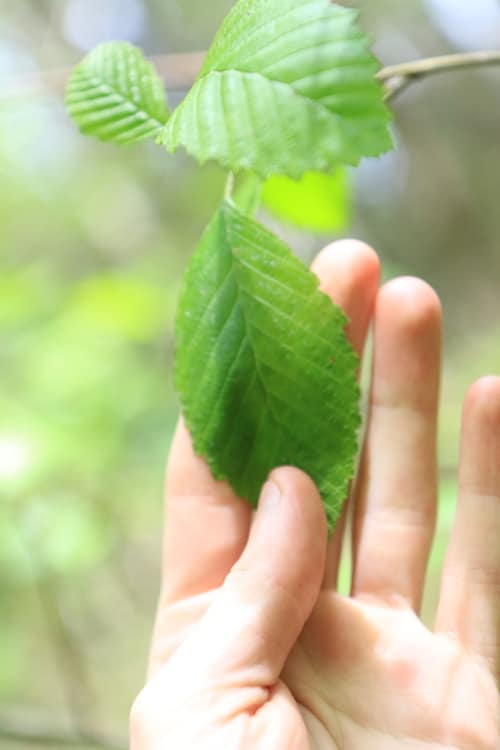
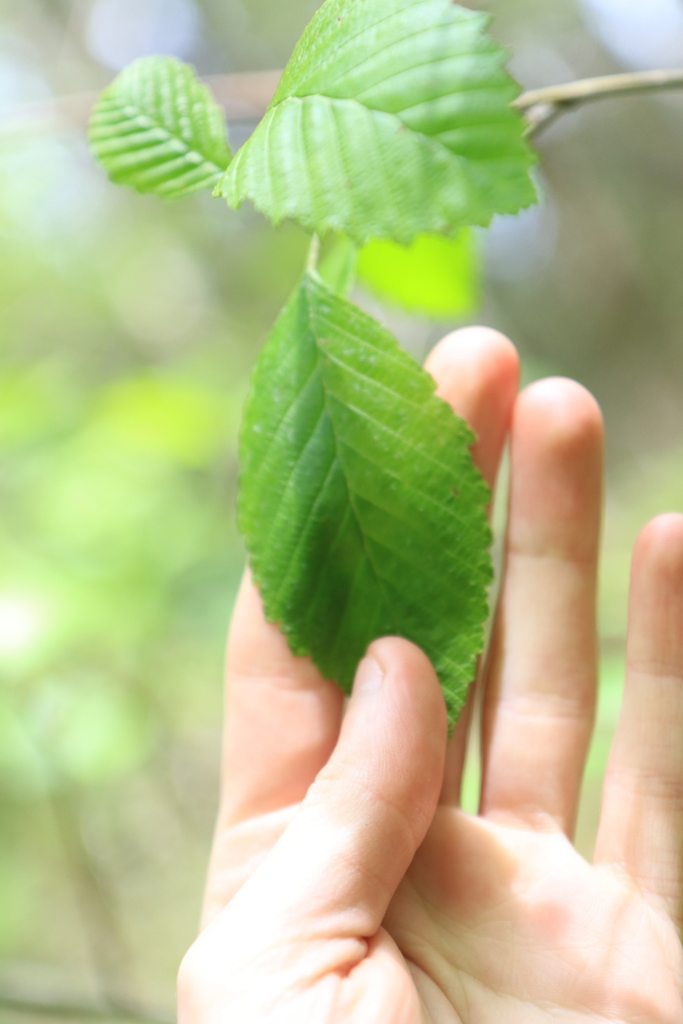
Red alder dominates disturbed forests and riverbanks along the Pacific Northwest coast, rapidly stabilizing eroded soil through a symbiotic partnership with nitrogen-fixing root bacteria. Its smooth grey bark frequently supports colorful crustose lichens, while the freshly cut inner wood quickly oxidizes to a striking rusty orange. Slender male catkins dangle gracefully in late winter before broad, wavy-edged leaves unfold to create dense summer shade.
DeciduousNitrogen FixerTree
—observations
—countries
—peak records
Least ConcernConservation statusIUCN Red List categoriesLCNTVUENCREWEXLeast ConcernRed List categories, explained →
Diet & prey
- Sunlight
- Soil nutrients
- Atmospheric nitrogen via Frankia bacteria
Predators
- Alder flea beetle
- Tent caterpillars
- Black-tailed deer
ThreatsSevere drought, land clearing, short lifespans relative to conifers
HabitatsTemperate rainforests, riparian zones, forest margins, disturbed slopes
Life span60–100 years
Classification
- OrderFagales
- FamilyBetulaceae
- GenusAlnus
- SpeciesAlnus rubra
Range data is not available yet.
Interaction riskLow
- Low
- Moderate
- High
- Very high
- Why interaction risk is low
- Produces heavy airborne pollen in early spring that may trigger seasonal allergies in sensitive individuals.
Responsible observation
- Identification: Look for smooth grey bark splashed with white lichen and leaves with tightly rolled edges.
- Seasonal timing: Visit in late winter to see thousands of reddish male catkins releasing yellow pollen.
- Ecological viewing: Search under fallen logs near streams to spot rich nitrogen-fertilized soil and damp mosses.
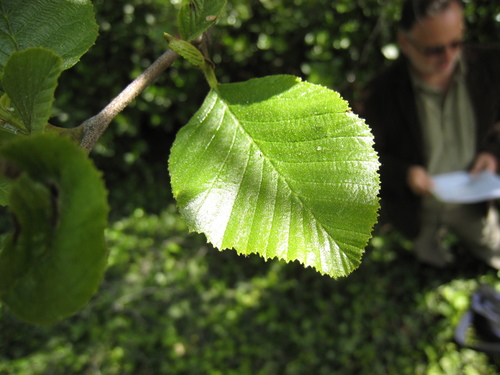
Sister Species (c) josh jackson, some rights reserved (CC BY) · cc-by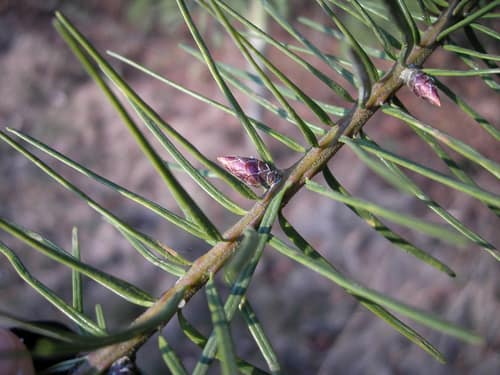
Forest Companion (c) Danny Steaven, some rights reserved (CC BY-SA) · cc-by-sa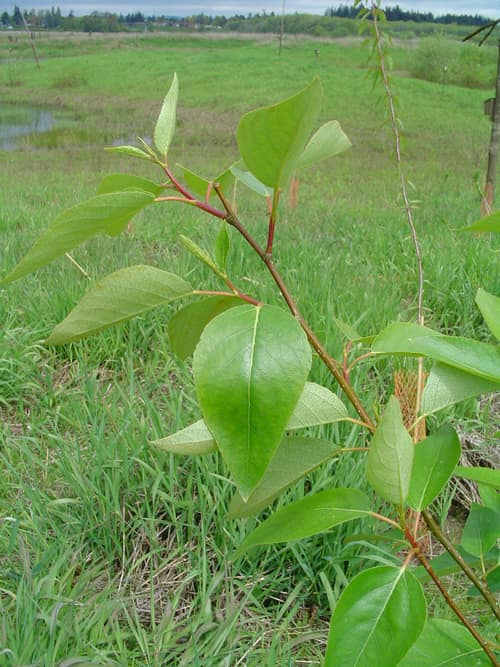
Co-occurring Tree (c) Tom Brandt, some rights reserved (CC BY-SA) · cc-by-sa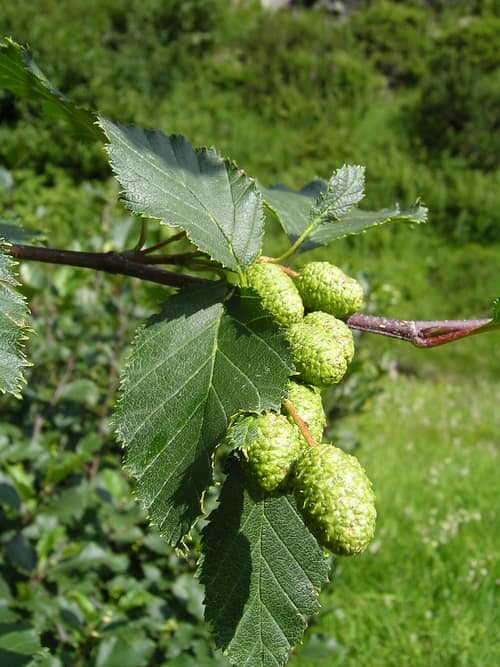
Close Relative Simon Eugster --– Simon / ?! 07:52, 20 October 2006 (UTC) / CC BY-SA 3.0 · cc-by-sa
Help improve the field guideSomething wrong?
Checking your Fauna account…Report a name, category, or profile issue for review.