
Plant
American Hazelnut
Corylus americanaAlso known as American Hazel, American Filbert
American hazelnut forms dense, suckering thickets along forest borders and prairie edges, spreading through subterranean rhizomes. In early spring before the foliage unfolds, male catkins elongate into golden tassels that shed abundant pollen to the wind, while inconspicuous female flowers reveal tiny crimson stigmas. By late summer, clusters of hard-shelled nuts develop concealed inside ruffled, glandular-hairy leaf-like bracts that provide staple nutrition for regional wildlife.
DeciduousThicket-FormingWind-Pollinated
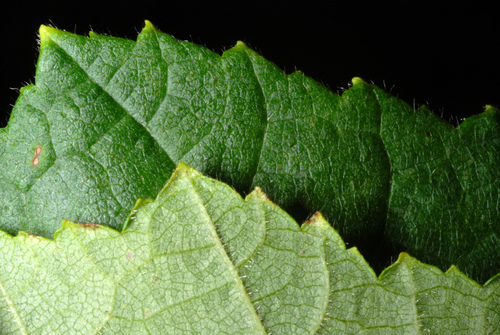
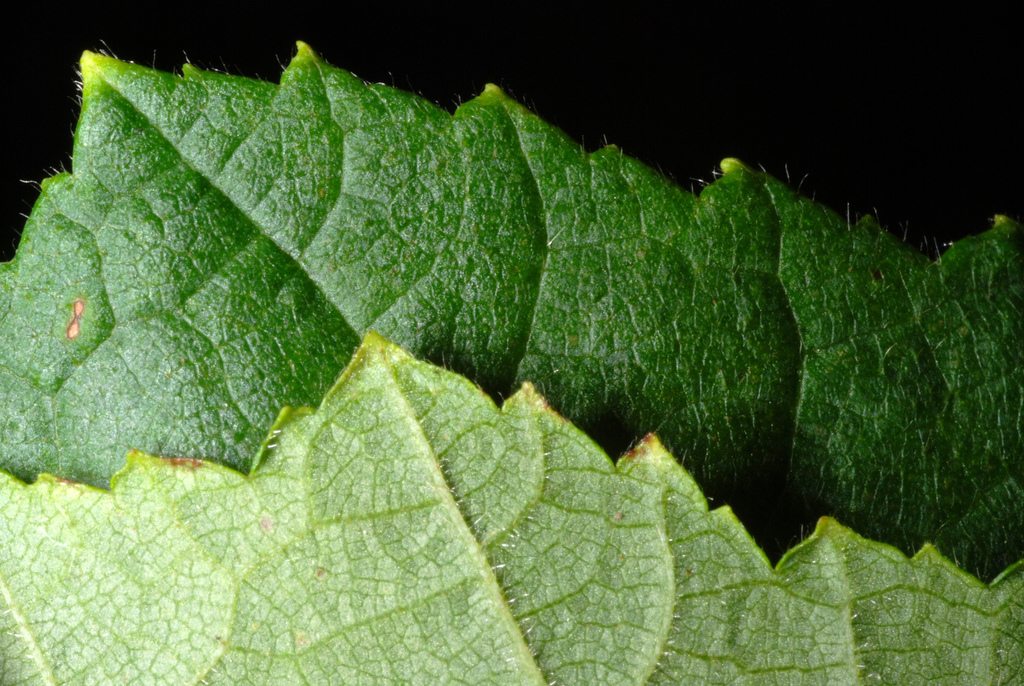
—observations
—countries
—peak records
Least ConcernConservation statusIUCN Red List categoriesLCNTVUENCREWEXLeast ConcernRed List categories, explained →
Diet & preySunlight, Water, Soil Nutrients
Predators
- Eastern Grey Squirrel
- Wild Turkey
- White-tailed Deer
ThreatsHabitat conversion, invasive shrub competition, and heavy deer browsing
HabitatsDeciduous forest edges, savannas, thickets, prairies, and fencerows
Life span30–50 years
Classification
- OrderFagales
- FamilyBetulaceae
- GenusCorylus
- SpeciesCorylus americana
Range data is not available yet.
Interaction riskLow
- Low
- Moderate
- High
- Very high
- Why interaction risk is low
- Safe to observe at a normal distance.
Responsible observation
- Identification: Look for drooping male catkins in late winter and glandular bristly twigs.
- Wildlife Watching: Scan autumn thickets to observe squirrels and songbirds harvesting mast.
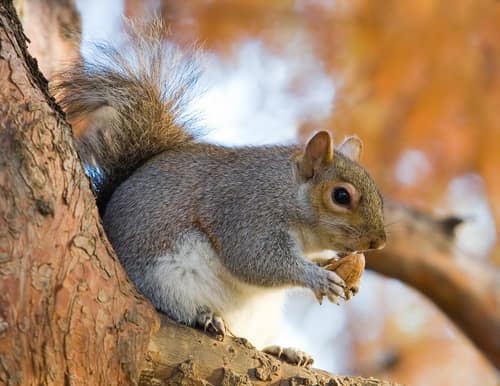
Seed Disperser (c) Diliff, some rights reserved (CC BY-SA) · cc-by-sa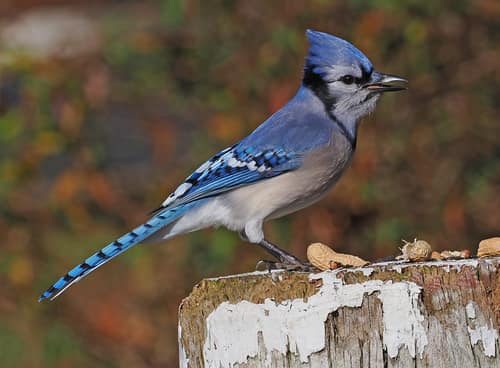
Seed Disperser (c) Judy Gallagher, some rights reserved (CC BY) · cc-by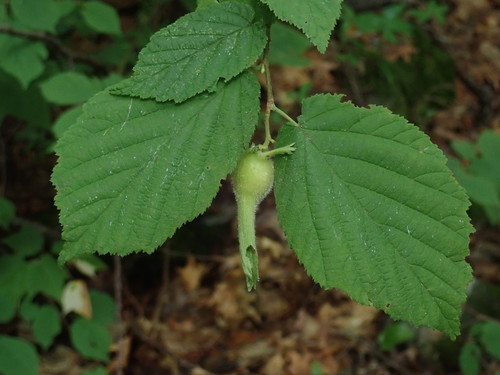
Close Relative no rights reserved, uploaded by Lynn Harper · cc0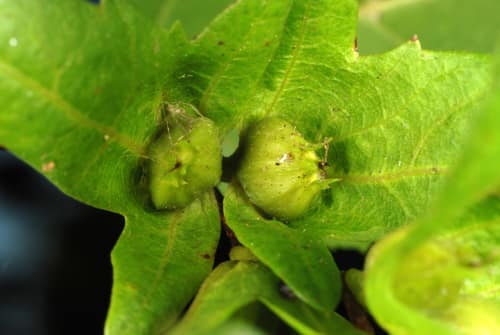
Same Family (c) Douglas Goldman, some rights reserved (CC BY-SA), uploaded by Douglas Goldman · cc-by-sa
Help improve the field guideSomething wrong?
Checking your Fauna account…Report a name, category, or profile issue for review.